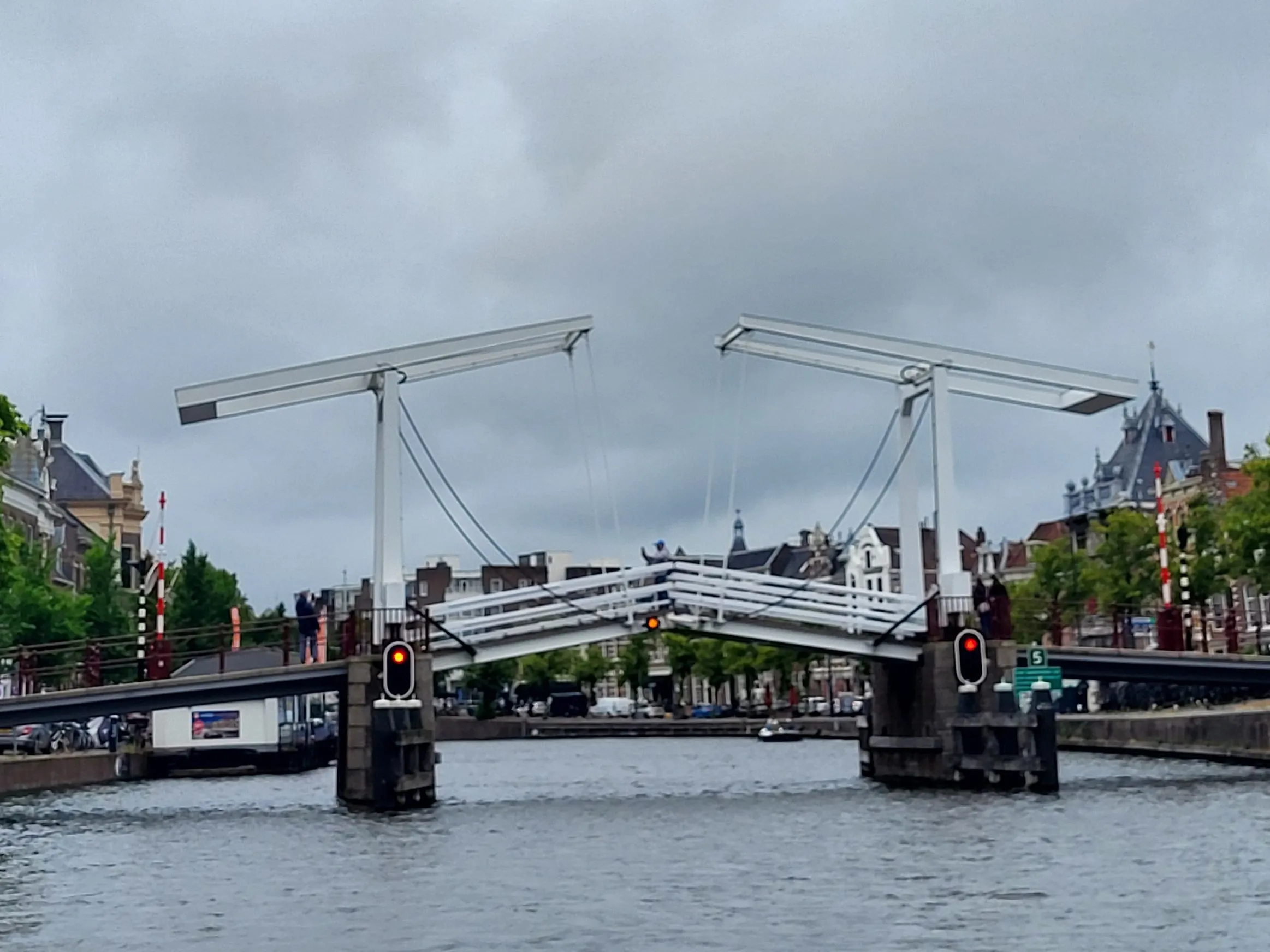
Exploring the Netherlands in 2026 means clean trains, bikeable cities, and an almost unfair concentration of Golden Age art. Travellers often rush through Amsterdam and call it done, but the country’s compact size makes it easy to see three distinct cities in a weekend. This guide gives you the real numbers—entry fees, tour ratings, travel times—so you can choose where to spend your days.
Top Regions and Cities
Amsterdam: More Than the Canal Belt
You land at Schiphol and a direct train to Amsterdam Centraal takes 17 minutes. The city’s core radiates from the station: the 17th-century Grachtengordel (Canal Ring) is a UNESCO site, with streets like Prinsengracht and Keizersgracht running parallel. Rather than a long list, focus on two stops. The Rijksmuseum opens at 09:00 and the Gallery of Honour is quietest before 10:30. The Anne Frank House sells out weeks ahead; book the first slot of the day for the least crowded walk through the Secret Annex. For a local lunch break, pick up herring from a stall on the Albert Cuypmarkt (open Monday–Saturday until 17:00) at about €5.
Quick Facts: Netherlands
- Currency: Euro (€)
- Language: Dutch, English widely spoken
- Trains: ns.nl for planning; OV-chipkaart or contactless debit/credit card works on all transport
- Tipping: 5–10% for good service, not mandatory
Rotterdam: Architecture and the Modern Port
Trains from Amsterdam reach Rotterdam Centraal in 41 minutes. The city centre blends post-war rebuilding with bold design: the Markthal (open 10:00–20:00, closed Mondays until 16:00) is a residential arcade with a vast ceiling mural and food stalls. The cube-shaped Kijk-Kubus houses you can tour for €3. For harbour views, take Waterbus line 21 from Erasmusbrug to Kinderdijk in about 30 minutes; the 19 windmills there are a UNESCO site. Most visitors don’t know you can skip the pricey tourist boat and use the regular Waterbus with an OV-chipkaart for under €5 each way.
The Hague: Royal Palaces and International Law
Only 52 minutes from Amsterdam, Den Haag has two faces. The Binnenhof complex on the Hofvijver lake houses the Dutch parliament; you can walk through the courtyard for free daily. The Mauritshuis museum (adults €19, open 10:00–18:00, until 20:00 on Thursday) holds Vermeer’s Girl with a Pearl Earring—arrive at opening on a weekday to stand in front of it without shoulders in your frame. Scheveningen beach, reached by tram 1 in 15 minutes, gives you North Sea sand and fish-and-chip stands, but windproof jackets are non-negotiable even in July.
Utrecht: Canals with Wharf Cellars
Utrecht Centraal is the country’s rail hub, just 27 minutes from Amsterdam and 37 minutes from Rotterdam. Its Oudegracht canal runs two levels deep, with former warehouses turned into bars at water level. Climb the Dom Tower (€12.50, guided tours every hour from 10:00, 465 steps) for a view that rolls out to Rotterdam on clear days. Try a stroopwafel from a street vendor near the Hoog Catharijne mall—fresh-made ones cost around €2 and demolish any supermarket version.
Delft: The Compact Golden Age Town
Fifty-eight minutes from Amsterdam Centraal, Delft delivers a walkable historic centre with fewer crowds than its bigger neighbours. The city grid sits between the Nieuwe Kerk on Markt square and the Oude Kerk with its leaning tower. A combi-ticket for both churches costs €10 for adults and includes the Nieuwe Kerk’s mausoleum of William of Orange. A separate ticket for the tower climb (376 steps) is €7.50; don’t attempt it on a wet afternoon—stairs narrow to shoulder-width and the stone slicks quickly. The Royal Delft factory, the only remaining 17th-century pottery works, runs English audio tours daily from 9:30 to 17:00.
Some links on this page are affiliate links — we may earn a commission at no extra cost to you.

Royal Delft: Delftblue Factory and Museum Admission Ticket
400 Years ago the first Dutch East India Company ships arrived back in Holland filled with the Chinese blue and white po
Book on ViatorMost visitors don’t know the Museum Prinsenhof is closed until early 2027. If you see it on an outdated list, skip it; the temporary exhibitions are elsewhere and not central. For a city walk that covers the main sights and Vermeer connections in two hours, book a guided option with a local.

Walking Tour of Delft - The City of Orange and Blue
Winter, spring, summer or fall. Delft surprises you all year round! The city walks of Do DELFT are informative, sometime
Book on ViatorBest Experiences and Day Trips
The Holland Trio: Rotterdam, Delft, and The Hague in One Day
These three cities sit within a 25-km triangle, so a single day trip from Amsterdam is practical. You have two distinct styles. The large-group coach tour (up to 50 people) departs from the Tours & Tickets shop at Amsterdam Centraal at 08:30 and includes a Delft canal walk and a visit to a pottery workshop, returning around 18:30.

Rotterdam, Delft and The Hague Day Trip from Amsterdam
THE GRAND HOLLAND TRIO: The Hague, Delft & Rotterdam Experience the political, historical, and modern heart of the Nethe
Book on ViatorThe small-group alternative caps at eight travellers, typically includes a Royal Delft museum entry and lunch suggestions in Delft’s old town, and earns a higher rating.

Rotterdam, Delft and The Hague Small Group Tour from Amsterdam
Full-day, explore the highlight attractions of Rotterdam, Delft and Hague. The Hague, visit Central government buildin
Book on Viator| What You Get | Small Group Tour (Max 8) | Standard Coach Tour |
|---|---|---|
| TripAdvisor Rating | 4.6 / 5 (709 reviews) | 4.0 / 5 (912 reviews) |
| Delft Activity | Royal Delft Museum entry | Pottery workshop visit |
| Travel Style | Minivan, flexible stops | Large coach, set schedule |
| Typical Price | Higher, varies | Lower, varies |
A third well-rated option is a max-eight-people tour covering The Hague, Delft, and Rotterdam with a 4.6 rating from 256 reviews. It often runs on Mondays and Fridays, but check when booking.

The Hague, Delft and Rotterdam Small-Group Tour (Max. 8 People)
This day tour brings you to the most histroric sites and scenic spots in the Netherlands, which are The Hague, Delft and
Book on ViatorBeyond the Cities: Tulips, Windmills, and Bikes
From mid-March to mid-May, Keukenhof opens daily from 08:00 to 19:30. The 2026 admission is €20 online. Get the 08:00–10:00 slot; tour coaches arrive after 10:00. Combine it with a bike ride along the surrounding flower fields for free. If you miss the season, the Zaanse Schans open-air windmill village is a 17-minute train ride from Amsterdam Centraal to Zaandijk Zaanse Schans station; entry is free, while individual windmill entries cost around €5 each.
For a longer bike route, the Waterland loop north of Amsterdam passes through Broek in Waterland and Monnickendam, a 35-km flat ride with ferry crossings. You can rent a bike at Centraal Station for about €15 per day.
When to Visit the Netherlands
April and May bring the longest daylight and the tulip peak, but hotel prices in Amsterdam jump 25–40%. September and early October offer mild weather, fewer queues, and cultural events like Open Monumentendag (free entry to thousands of historic buildings, second weekend of September). July and August are warmer but crowded; the average high in Amsterdam is 22°C, and canalside cafés fill by 16:00.
Winter is grey and damp, but the 2026 edition of Amsterdam Light Festival runs from late November to mid-January, with illuminated boat routes. February brings the Highlight Delft Festival (February 11–14, 2026) with interactive tech installations, and the Delft Fringe Festival runs May 27–June 7.
Budget: What You’ll Spend per Day
A mid-range daily budget without accommodation sits between €78 and €120. Here’s how that breaks down:
- Breakfast from a bakery (coffee + pastry): €6–8
- Museum entry: €10–20 per attraction (or €0 with Museumkaart)
- Lunch: €10–15 for soup and sandwich at a café
- Dinner: €20–30 for a main course and a drink at a casual restaurant
- Public transport day card: €9–15 depending on city and zones
- Bike rental: €12–18 per day
Amsterdam centre is priciest; Delft and Utrecht cost about 20% less for equivalent meals and stays. A direct comparison: a standard double room near Delft’s Markt books for roughly €110–140, while a similar room in Amsterdam’s Jordaan starts at €180.
Getting Around the Country
The backbone is Nederlandse Spoorwegen (NS). Intercity trains run every 15 minutes on main corridors, and you can tap in and out with any contactless debit or credit card—no need for a separate ticket. Here are the key journeys:
- Amsterdam Centraal → Rotterdam Centraal: 41 minutes, Intercity Direct supplement €2.90 extra
- Amsterdam Centraal → Utrecht Centraal: 27 minutes
- Amsterdam Centraal → Delft: 58 minutes (change at Den Haag HS or Leiden)
- Amsterdam Centraal → The Hague Centraal: 52 minutes
Local trams and buses use the same tap-in system. In Amsterdam, a GVB day pass costs €9 for 24 hours. The 9292 app plans door-to-door journeys including all transport modes. Don’t rely on Uber for short hops within canal belts; walking is faster and zero cost.
Practical Tips
- Tulip field etiquette: Farmers lose crops when tourists trample bulbs for selfies. Always stay on paths; if you want a field photo, find ones with designated tracks, or rent a bike and shoot from the road.
- Canal swimming: It looks tempting in July, but Amsterdam’s canals are fine for boats, not swimming, and the water quality varies. Designated swimming spots in the Amstel River near Berlagebrug are safer, with water tested weekly in summer.
- Coffee shop vs café: Coffee shops sell cannabis, cafés sell coffee. If you just want an espresso, walk into a place called Koffiehuis or that has a food menu displayed.
- **Sunday trading
- Sunday trading: Most shops in city centres open from 12:00 to 17:00 or 18:00 on Sundays. Supermarkets in larger cities may have earlier hours, but in smaller towns like Delft, many independent shops stay closed all day—stock up on essentials Saturday morning, especially if you’re staying outside Amsterdam.
- Rain gear: Even in July, sudden showers are common. Pack a lightweight waterproof jacket rather than an umbrella—wind often makes umbrellas useless along canals. A compact raincoat folds into a day bag and costs less than €20 at HEMA.
- Explore Delft with a puzzle: For a low-cost, self-guided activity, the Delft Quest “The Blue Pottery Mystery of Old Delft” sends you on a 1.5-hour hunt through the old town for about €12 per person. It’s rated 3.6/5 by 11 reviewers, so treat it as an alternative to a standard audio guide—not a replacement for a proper walking tour.

Delft Quest: The Blue Pottery Mystery of Old Delft
Delft, 16th century. You wake up in the street with a bump on your head and blue porcelain fragments scattered around yo
Book on ViatorDelft Fringe Festival 2026
When: May 27 – June 7, 2026
Emerging theatre, dance, music, and cabaret take over unexpected venues across Delft’s centre. Tickets are typically €8–12 per show. Many performances are in English or accessible without Dutch.
FAQ
How many days should I spend in the Netherlands?
A minimum of three days lets you experience Amsterdam; five days add Rotterdam, Delft, and The Hague. A full week gives time for Utrecht, a day at Keukenhof if it’s open (mid-March to mid-May), and a relaxed pace.
Is the Museumkaart worth it for a short trip?
If you visit three major museums within a year, it pays for itself. The Rijksmuseum (€22.50), Mauritshuis (€19), and Royal Delft (€17.50) total €59 versus the card’s €65 annual cost—and then all further entries are free.
What’s the easiest way to get from Schiphol Airport to Amsterdam city centre?
The NS train departs every 10–15 minutes directly to Amsterdam Centraal; the ride takes 17 minutes and costs €5.70 one-way when you tap a contactless card. Buses and taxis take longer and cost significantly more.
How much should I budget per day in the Netherlands?
Excluding accommodation, budget €78–120 per adult for mid-range meals, two museum entries, and local transport. Amsterdam is 20–30% pricier than Delft or Utrecht for equivalent meals and drinks.
What’s the best time to see tulips?
Peak bloom at Keukenhof and surrounding fields usually falls in mid-April. The park opens from late March to mid-May, but exact timing shifts with weather; arrive before 10:00 to dodge coach-party crowds.
Can I use credit cards everywhere?
Larger hotels, museums, and chain shops accept Visa and Mastercard, but many small cafés, market stalls, and non-Albert Heijn supermarkets only take Maestro or V-Pay debit cards. Carry €20–30 in cash as backup.