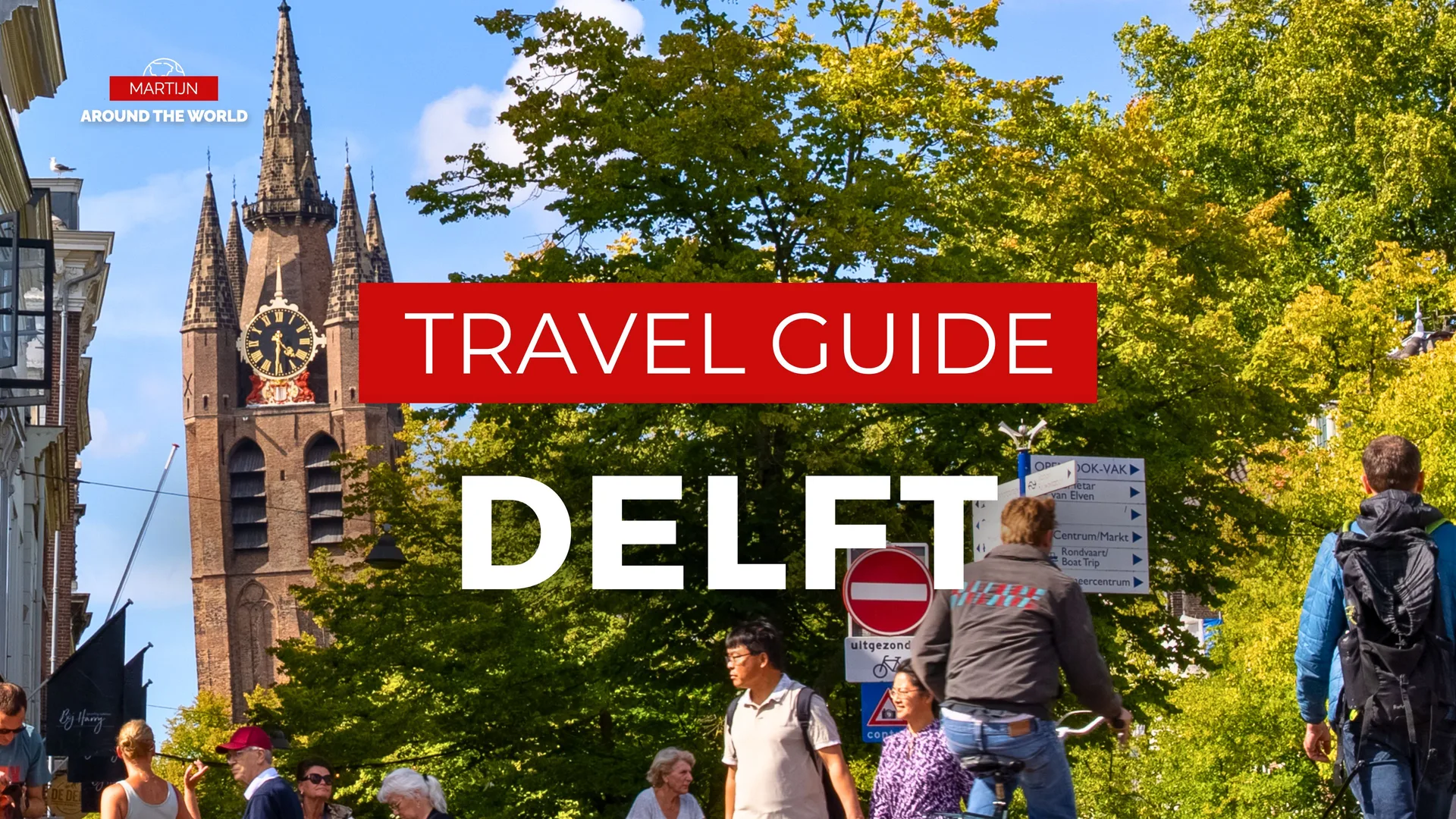
Delft. The name conjures images of delicate blue pottery, winding canals, and the golden age of Dutch painting. While many guides focus on what to see, this one dives into how to experience Delft. If you're an independent traveler looking to navigate this pleasant Dutch city efficiently, budget wisely, and immerse yourself in local life in 2026, you've come to the right place. We'll cover everything from getting here and getting around to local customs and what to pack.
Think of Delft as a perfectly sized Dutch city: small enough to feel intimate and easily walkable, yet packed with history and innovation without the overwhelming crowds of Amsterdam. Ready to explore?
Best Time to Visit Delft in 2026
Choosing the right time to visit Delft can significantly shape your experience. The city enjoys distinct seasons, each offering a different atmosphere.
Spring (April-May) and early Autumn (September-October) are often considered the sweet spots. During these months, temperatures are mild, ranging from 16-19°C (61-66°F) in May, and the tourist crowds are noticeably smaller than in summer. Spring brings blooming tulips and fresh greenery, perfect for canal cruises and leisurely strolls. Early autumn offers crisp air and beautiful foliage.
Summer (June-August) is peak season. While the weather is warmest (18-22°C / 64-72°F), expect more visitors and potentially longer queues at popular spots. If you visit in summer, booking accommodation and tours (like canal boats) in advance is a smart move.
Winter (December-March) transforms Delft into a cozy, festive scene. Think Christmas markets, twinkling lights, and a quieter pace. Just be prepared for colder temperatures and the possibility of rain or even snow. Some attractions might have reduced hours.
"The Robots Are Coming" Theme Year
When: Throughout 2026
In 2026, Delft is celebrating a special theme year focused on robotics. Expect art installations, interactive exhibits, and events across the city that showcase how robots are integrating into daily life, blending history with a look to the future.
Getting to Delft: Your Arrival Guide
Delft's excellent connectivity makes it incredibly easy to reach, especially by public transport.
By Air
The most common entry point for international travelers is Amsterdam Airport Schiphol (AMS). From Schiphol, direct trains run regularly to Delft, taking approximately 45-60 minutes. It's a convenient, stress-free journey right into the city centre.
Rotterdam The Hague Airport (RTM) is another option, located much closer to Delft. From RTM, you can take a bus to Rotterdam Central Station, then a short train ride to Delft. The total journey is typically under an hour.
By Train
The Dutch railway system (NS) is efficient and comprehensive. Delft Centraal Station is well-connected:
- From Amsterdam Centraal: Direct trains take about an hour.
- From Rotterdam Centraal: A quick 15-20 minute train ride.
- From The Hague Centraal: Just 10-15 minutes by train.
Train travel is undoubtedly the easiest way to arrive in Delft. Purchase tickets at the station from yellow machines or use your OV-chipkaart (public transport chip card).
By Car
While possible, driving to Delft is generally not recommended for tourists. The city center is largely pedestrian-friendly, with limited, often expensive, parking options. If you do arrive by car, plan to park at the edge of the city center in a paid garage and explore on foot or by bike.
Navigating Delft: Getting Around Like a Local
One of Delft's greatest charms is its compact size, making it a dream for independent exploration.
On Foot
The historic city center of Delft is incredibly walkable. Most major attractions, shops, and restaurants are just a short stroll from each other. You can easily spend a day or two exploring the canals, squares, and alleys solely on foot. Comfortable shoes are your best friend here!
By Bicycle
This is the Netherlands, after all! Cycling is a quintessential Dutch experience and a fantastic way to see Delft. You'll find numerous bike rental shops near the train station and throughout the city. Delft is crisscrossed with dedicated bike lanes, making it safe and enjoyable to pedal around. Just be aware of local bike etiquette – more on that in the customs section.
Public Transport
For distances slightly outside the center, such as visiting Royal Delft, Delft has a reliable bus network. Tram Line 1 connects Delft directly to The Hague and Rotterdam, offering an easy way to explore neighboring cities if you wish. You can use an OV-chipkaart or purchase single-use tickets from the driver.
Markt Square
The busy heart of Delft, perfect for people-watching and market days.
New Church
Dominates the Markt, offering royal history and panoramic views from its tower.
Old Church
A photogenic leaning church, home to Vermeer's grave, just a short walk from the Markt.
Canal Network
Explore the city's character by simply following the beautiful waterways on foot or by boat.
The Markt square is truly the central hub of Delft. It's where you'll find the majestic New Church and often a busy market. Many visitors, 750 of them, rate it highly at 4.4 out of 5, praising its atmosphere and architecture.
Some links on this page are affiliate links — we may earn a commission at no extra cost to you.
Standing tall in the middle of the Markt is the New Church. This impressive 14th-century Gothic structure, rated 4.3 with 1395 reviews, is not just an architectural marvel; it also houses the Royal Crypt of the House of Orange-Nassau, including the tomb of William of Orange. Climbing its 376 narrow, spiral steps (no elevator!) offers unparalleled views of Delft and beyond.
Your Delft Budget Breakdown for 2026
Budgeting for your Delft trip in 2026 requires understanding current costs. The Netherlands generally isn't a budget destination, but Delft can be more affordable than Amsterdam.
A recommended daily budget, excluding accommodation, is €78-120. This covers activities, meals, and local transport.
- Accommodation: Expect to pay €80-€150 per night for budget-friendly options like hostels or guesthouses, and €120-€200+ for mid-range hotels. Remember that as of January 1, 2026, the VAT rate for short-stay accommodation in the Netherlands increased from 9% to 21%. This applies even to bookings made before 2026 for stays in 2026. Booking in advance, especially during peak season, is always wise.
- Food:
- Budget: Grabbing a pastry for breakfast, a sandwich or market snack for lunch, and cooking some meals if your accommodation has a kitchen, or opting for casual eateries. Expect €15-€30 per day.
- Mid-range: Enjoying a sit-down lunch and dinner at a restaurant. A main course typically ranges from €18-€30. Allow €40-€70 per day.
- High-end: Fine dining experiences will naturally cost more.
- Attractions: Most museum admissions are in the €9-€17.50 range.
- Royal Delft: Adults €17.50.
- New Church + Tower: Adults €15.00.
- Vermeer Centrum Delft: Adults around €9.00.
- Combination tickets (e.g., Churches + Vermeer Centrum for €18.50) can offer savings.
- Local Transport: Single bus/tram tickets are a few euros. Bike rentals typically cost €10-€15 per day.
- Canal Boat Tours: A 45-60 minute tour usually costs €10-€15.
Quick Facts: Delft, Netherlands
- Currency: Euro (€)
- Language: Dutch (English widely spoken)
- Time Zone: Central European Time (CET), UTC+1
- Plug Type: Type F (two round pins)
- Calling Code: +31
Where to Stay: Finding Your Base
For an independent traveler, staying in the historic city center offers the most convenience. You'll be within walking distance of most attractions, restaurants, and public transport connections. Look for hotels or B&Bs along the canals or near the Markt for an authentic experience.
Consider your budget and travel style:
* Hotels: Range from boutique options to larger chains. Book well in advance for better rates and availability, especially for 2026 travel due to the VAT increase.
* B&Bs and Guesthouses: Often offer a more personal touch and local insights.
* Hostels: A few options cater to budget travelers, providing a social atmosphere.
Staying Safe in Delft
Delft is a very safe city, with low crime rates. Yet, like any travel destination, it's wise to be aware of your surroundings.
- General Safety: Keep an eye on your belongings, especially in crowded areas like the Markt during market days or
at the train station. Petty theft, like pickpocketing, can occur, so be vigilant.
* Cycling Safety: While bikes are everywhere, cyclists have the right of way in many situations. Be aware of bike lanes and watch out for fast-moving cyclists, especially when crossing roads. Always lock your rental bike securely.
* Canal Safety: Enjoy the photogenic canals, but be mindful of the edges, especially at night or after a few drinks. There are often no railings.
* Emergency Numbers: For all emergencies (police, fire, ambulance), dial 112. For non-emergency police assistance, call 0900-8844.
Delft Neighborhoods for the Independent Explorer
Delft's character lies in its cohesive center, but there are distinct areas to explore.
Historic City Center
This is where you'll spend most of your time. Defined by its canals, historic buildings, and squares like the Markt and Beestenmarkt, it's perfect for walking and soaking in the atmosphere. You'll find a mix of shops, cafes, restaurants, and museums here. The Beestenmarkt, for example, is a lovely square that transforms from a former cattle market into a busy hub with restaurants and outdoor terraces, earning a 4.5 rating from 763 reviewers. It's a prime spot for an evening meal or a drink.
Hofkwartier
Just west of the Markt, this area is known for its quiet courtyards (hofjes), antique shops, and art galleries. It's a great place to wander off the main tourist paths and see unique boutiques and pleasant cafes. This is where you might stumble upon a "lesser-known spot" (though we're avoiding that phrase!), a truly local experience.
Station Area
While primarily a transport hub, the area around Delft Centraal Station has seen modern development. You'll find contemporary architecture, some newer hotels, and easy access to the city center via a short walk.
Oosterpoort
East of the center, this residential area offers a glimpse into local Delft life. It's quieter, with fewer tourist attractions, but provides a peaceful atmosphere and local amenities.
Packing for Delft in 2026
Packing smart ensures a comfortable trip, no matter the season.
- Layers are Key: Dutch weather can be changeable, even in summer. Pack layers that you can easily add or remove. A light waterproof jacket or umbrella is almost always a good idea, regardless of the forecast.
- Comfortable Walking Shoes: You'll be doing a lot of walking on cobblestone streets. Prioritize comfort!
- Waterproof Outerwear: A good quality, lightweight, and waterproof jacket is essential, especially from autumn through spring.
- Scarf/Hat/Gloves: For cooler months (autumn, winter, early spring), these will make a big difference, especially if you're exploring outdoors or cycling.
- Small Backpack/Day Bag: Useful for carrying essentials, souvenirs, and extra layers.
- Reusable Water Bottle: Stay hydrated and reduce plastic waste. Tap water in the Netherlands is safe and delicious.
- Portable Charger/Power Bank: Keep your phone charged for navigation and photos.
- Universal Adapter: For Type F plugs (two round pins).
Local Customs & Etiquette
Understanding a few local customs will help you integrate smoothly and show respect.
* Greetings: A simple "Hallo" (hello) or "Goedendag" (good day) is always appreciated. Handshakes are common for introductions.
* Punctuality: Dutch people generally value punctuality, whether for appointments or meeting friends.
* Cycling Etiquette: If you rent a bike, stick to the bike lanes. Use hand signals for turning. And remember, cyclists often expect pedestrians to yield, so be aware when walking near bike paths. Never walk in a bike lane!
* Coffee Culture: "Koffie verkeerd" (literally "wrong coffee") is a popular Dutch latte. Many cafes offer a "koffie met appeltaart" (coffee with apple pie) deal, a lovely afternoon treat.
* Tipping: Tipping in the Netherlands is not mandatory, but it's appreciated for good service. For restaurant meals, rounding up the bill or leaving 5-10% is common. For cafes or bars, you might round up to the nearest euro.
* Queuing: People generally queue in an orderly fashion.
* Directness: The Dutch are known for being quite direct in their communication. Don't interpret this as rudeness; it's simply a cultural trait that values clarity.
* Royal Delft: A visit to Royal Delft - Koninklijke Porceleyne Fles is a must-do for many. This factory, established in 1653, is the last remaining 17th-century Delft earthenware factory. It still hand-paints the world-famous blue and white pottery. Visitors, who rate it 4.3 out of 5 from over 1200 reviews, can explore the museum, watch master painters, and even try a tile painting workshop.
Practical Tips for Your Delft Adventure
- OV-chipkaart: If you plan on using public transport frequently across the Netherlands, investing in an anonymous OV-chipkaart (public transport chip card) can save you hassle and sometimes money compared to single tickets. You can buy and top up these cards at train stations.
- Museumkaart: If you plan to visit many museums throughout the Netherlands, a Museumkaart might be a worthwhile investment. It offers free entry to hundreds of museums, including some in Delft like Royal Delft (though not the New Church tower climb). Check if it pays off for your itinerary.
- Online Tickets: For popular attractions, especially during peak season, booking tickets online in advance can save you time waiting in queues. This is particularly true for the New Church tower climb, which can have limited slots or close due to weather.
- Renovation Alert: Be aware that Museum Prinsenhof Delft is temporarily closed for renovation until December 31, 2026. While its main building is inaccessible, some collection items might be displayed elsewhere, and an info point is available at Sint Agathaplein 4. Don't plan your trip around visiting this specific museum during 2026.
- Explore Beyond the Markt: While the Markt is the heart, wander down the side streets and along the smaller canals. That's where you'll find independent shops, quieter cafes, and photogenic residential areas.
- Embrace the Weather: Don't let a little rain deter you. Grab an umbrella, duck into a cozy cafe, or explore an indoor attraction. The city can be even more pleasant under a soft drizzle.
- Cash vs. Card: Credit and debit cards are widely accepted, but it's always useful to carry a small amount of cash for smaller purchases or local markets.
FAQ
Is Delft suitable for a day trip, or should I stay longer?
While you can see the main highlights of Delft in a day, staying at least one or two nights allows you to experience the city at a more relaxed pace, explore its pleasant side streets, and enjoy the evening atmosphere without rushing.
What's the best way to get from Amsterdam Schiphol Airport to Delft?
The most direct and efficient way is by train. There are frequent direct train services from Schiphol Airport to Delft Centraal Station, taking approximately 45-60 minutes.
Can I climb the tower of the New Church?
Yes, you can climb the tower of the New Church. It costs €7.50 for adults (or €15.00 for a combi-ticket with the church interior). Be aware it's a climb of 376 narrow, spiral steps with no elevator. Children under 6 are not permitted, and the tower may close in bad weather.
Is Delft a walkable city?
Absolutely! Delft's historic city center is very compact and largely pedestrian-friendly. Most major attractions, shops, and restaurants are within easy walking distance of each other. Comfortable shoes are highly recommended.
How much should I budget for a meal in Delft?
For a mid-range restaurant meal, you can expect to pay €18-€30 for a main course. Casual lunches or market snacks will be significantly less, while fine dining will cost more. A daily food budget of €40-€70 (for mid-range) is a good estimate.
What's the deal with Museum Prinsenhof Delft in 2026?
Museum Prinsenhof Delft is undergoing extensive renovations and will be closed until December 31, 2026. Do not plan to visit the main museum during this period. Some collection items may be displayed elsewhere, and an information point is available.