Thinking of a trip to Delft, the pleasant Dutch city famous for its canals, iconic blue pottery, and ties to Johannes Vermeer? You're in for a treat. But how do you make the most of your visit? Delft offers a surprising amount, whether you're keen to immerse yourself deeply in its history and art, or prefer a more leisurely pace soaking in the atmosphere.
This guide helps you decide how to approach Delft, comparing a "Cultural Deep Dive" experience with a "Relaxed Exploration." We'll look at what each style
in its history and art, or prefer a more leisurely pace soaking in the atmosphere. This guide helps you decide how to approach Delft, comparing a "Cultural Deep Dive" experience with a "Relaxed Exploration." We'll look at what each style offers in terms of attractions, food, budget, and overall vibe, using real traveler data to help you tailor your perfect visit.
Delft: Cultural Deep Dive vs. Relaxed Exploration
Delft is a city that rewards both the diligent explorer and the casual wanderer. Its compact size means you can cover a lot of ground, but its rich layers of history and artistry invite a slower, more focused approach. Are you someone who thrives on ticking off every major landmark and learning all the stories? Or do you prefer to let the city unfold organically, enjoying moments of serendipity? Let's break down the two main ways to experience Delft.
Quick Facts: Delft, Netherlands
- Currency: Euro (€)
- Language: Dutch (English widely spoken)
- Best Time to Visit: Spring (April-May) for tulips, Summer (June-August) for canals, Autumn (September-October) for fewer crowds.
- Getting There: Easy train access from Amsterdam, Rotterdam, and The Hague.
- Plug Type: Type C and F (two-pin round)
The Cultural Deep Dive Approach
This approach is for the traveler eager to absorb Delft's historical, artistic, and craft heritage. You'll prioritize museums, guided tours, and in-depth experiences. Expect to spend significant time inside attractions, learning details and context.
The Relaxed Exploration Approach
For those who prefer a more laid-back trip, a relaxed exploration focuses on the ambiance. Think meandering along canals, enjoying outdoor cafes, browsing local markets, and appreciating the city's beauty without a strict itinerary. It's about feeling the pulse of Delft rather than studying its past.
Things to Do: A Tale of Two Itineraries
Delft’s attractions cater to both types of travelers. The key is how much time and intensity you dedicate to each.
Cultural Deep Dive: Immerse Yourself
If you're here to truly understand Delft, your itinerary will be packed with iconic sites and detailed tours.
First, you'll absolutely want to visit Royal Delft - Koninklijke Porceleyne Fles. This is the last remaining 17th-century Delftware factory, where the world-famous blue and white earthenware is still entirely hand-painted. With a solid 4.3 rating from over 1,200 reviews, it's clear travelers find this a fascinating glimpse into a centuries-old tradition. You can witness master painters at work, explore historical collections, and even participate in a tile painting workshop for €48.50. Admission for adults is €17.50, and it includes an audio tour in eight languages. Allow at least 2-3 hours here to fully appreciate the craft.
Some links on this page are affiliate links — we may earn a commission at no extra cost to you.
Next, look at Delft's religious and royal history with the Oude Kerk (Old Church) and Nieuwe Kerk (New Church). The Nieuwe Kerk is particularly significant, housing the Royal Crypt of the Dutch Royal Family, including William of Orange. Climbing its tower offers panoramic views of Delft and beyond – a definite highlight for many. A combi ticket for both churches and the New Church Tower is €15.00 for adults, providing access to centuries of stories and stunning vistas.
For art enthusiasts, the Vermeer Centrum Delft offers an interactive journey into the life and works of Johannes Vermeer. While it displays reproductions rather than original masterpieces, it provides excellent context on the artist's techniques and the world he lived in. Entry is €15.00 for adults, and a free audio tour is included.
To truly grasp the city's narrative, consider a guided tour. The Walking Tour of Delft - The City of Orange and Blue is a great option, boasting a 4.9 rating from 33 reviews. This small-group tour takes you through photogenic streets, canals, and regal squares, providing insights you might miss on your own. Tickets are around €23 per adult for a 90-minute experience.
If you prefer a more personalized experience, a private tour is an excellent investment. Options like Tour Delft - Private Tours (rated 5.0 with 48 reviews) allow you to tailor your itinerary and pace with a dedicated guide. Prices for a 2-hour private walking tour can start around €160 per group, making it ideal for families or small groups wanting exclusive attention.
Relaxed Exploration: Soak it In
For a more relaxed pace, your focus shifts from specific entry tickets to enjoying the city's natural character.
Start by simply strolling along Delft's famous canals. The Oude Delft and Nieuwe Delft canals are particularly scenic, lined with historic buildings and pleasant bridges. Stop to take photos, watch the boats, and appreciate the peaceful atmosphere.
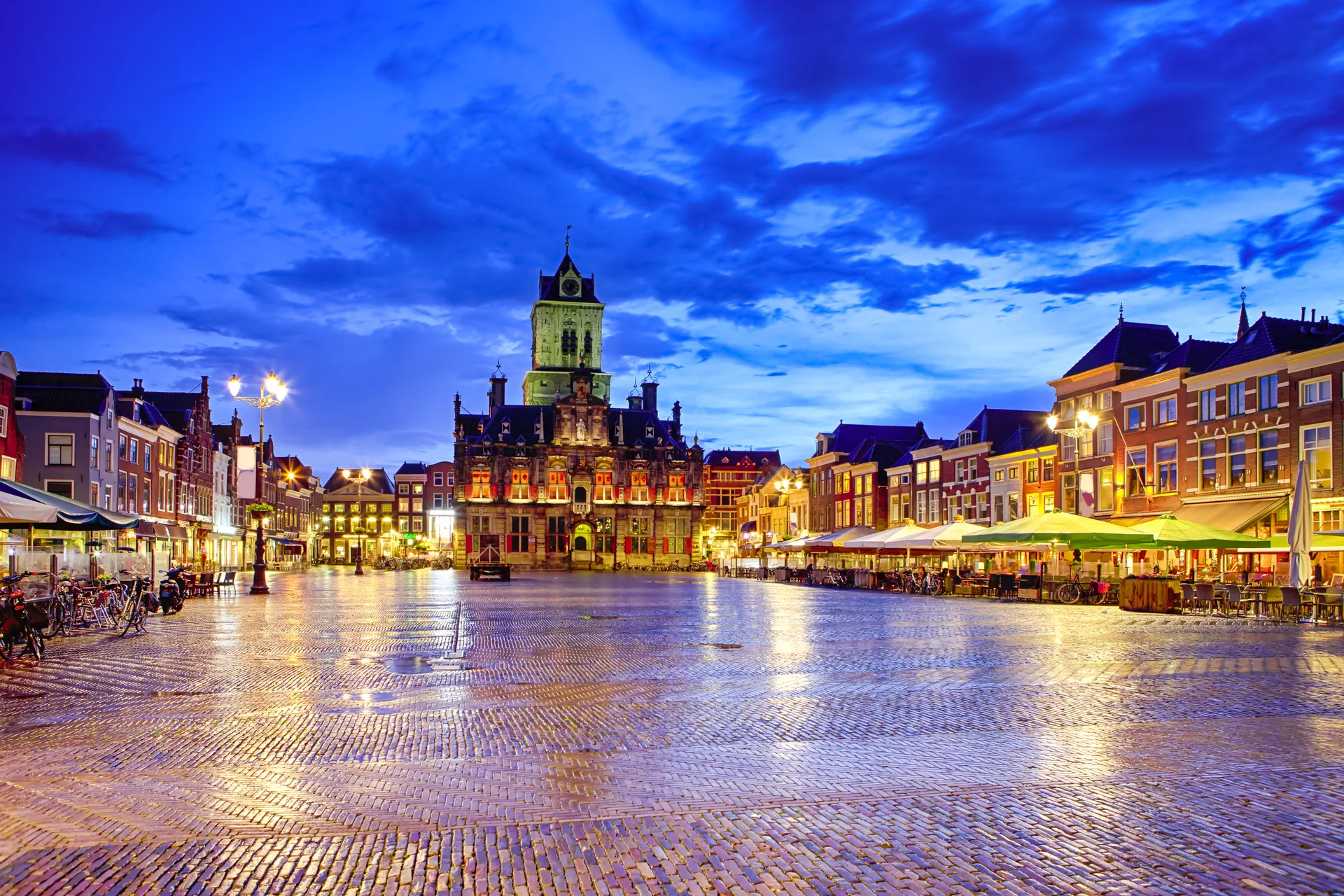
The Markt (Market Square) is the heart of Delft and a perfect place to absorb local life. You can admire the impressive Nieuwe Kerk and Stadhuis (City Hall) from outside, without necessarily going in. On Thursdays and Saturdays, the square hosts a busy market where you can browse local produce, flowers, and goods.
Grab a coffee or a local beer at one of the many outdoor terraces around the Markt or along the canals. It's an ideal way to people-watch and simply exist in the city, much like the locals do.
A casual visit to the Botanical Garden of TU Delft (free entry) offers a green escape without the pressure of a historical narrative. Or, simply wander through the various courtyards (hofjes) hidden throughout the city for a moment of tranquility.
Markt Square
The busy heart of Delft, perfect for people-watching and market days.
Canal Walks
Meander along historic waterways for photogenic views and tranquil moments.
Hidden Hofjes
See peaceful courtyards tucked away from the main streets.
---
| Category | Cultural Deep Dive | Relaxed Exploration |
|---|---|---|
| Main Focus | Museums, history, art, guided learning | Ambiance, scenery, local life, spontaneous discovery |
| Key Sites | Royal Delft, Nieuwe/Oude Kerk, Vermeer Centrum, Guided Tours | Canals, Markt Square, Terraces, Hofjes, Local Markets |
| Pace | Structured, intense, educational | Leisurely, flexible, observational |
| Time Spent | Longer duration at each attraction | More time wandering, less time indoors |
---
Food Scene: From High Tea to Street Snacks
Delft's culinary scene is a delightful mix of traditional Dutch fare and international influences. Your approach to food will likely mirror your travel style.
Cultural Deep Dive: Thoughtful Dining
For the cultural explorer, food might be part of the hands-on experience. You might opt for a sit-down meal at Brasserie1653 within Royal Delft, where you can even combine museum admission with a High Tea package for around €39. This offers a refined experience amidst historical surroundings. You'll likely seek out traditional Dutch restaurants for classic dishes like stamppot (mashed potatoes with vegetables) or bitterballen (deep-fried meatballs) to complement your cultural journey.
Relaxed Exploration: Casual & Local
The relaxed explorer will gravitate towards Delft's more casual eateries. Grab a freshly baked stroopwafel from a street vendor, pick up some cheese and bread from the market for a picnic by the canal, or enjoy a hearty sandwich at a local lunchroom. The Markt and surrounding streets are dotted with cafes perfect for an informal bite. Don't forget to try haring (herring) from a local fish stall for a truly Dutch experience.
Nightlife: Quiet Evenings vs. Cozy Pubs
Delft isn't known for its wild nightlife. It's a pleasant university city, but the evenings tend to be more subdued than, say, Amsterdam or Rotterdam.
Cultural Deep Dive: Early to Bed
After a day packed with museums and tours, you'll likely be ready for a quiet evening. Dinner at a nice restaurant, perhaps a glass of wine, and an early return to your accommodation would be typical. The focus here is on rest and preparing for another day of exploration.
Relaxed Exploration: Student Hangouts
While not a party hub, Delft does have a student population (from TU Delft) which means there are some busy, albeit cozy, pubs. For a relaxed evening, you might find yourself in a traditional "bruin café" (brown cafe), enjoying a local beer and conversation. These places offer a warm, authentic atmosphere without the intensity of a club. Look for spots around the Markt or the Beestenmarkt for a pleasant evening out.
Beaches: Not a Factor for Delft
Delft is an inland city, so beaches are not part of the local experience. If you're looking for sand and sea, you'd need to venture out to the nearby coast. The popular beach resorts of Scheveningen and Kijkduin are easily accessible by public transport (tram or bus) from The Hague, which is a short train ride from Delft. Still, for a Delft-focused trip, neither the cultural deep diver nor the relaxed explorer will find beaches within the city limits.
Budget: Spend Wisely or Freely
Your chosen travel style will significantly impact your budget for a Delft trip.
Cultural Deep Dive: Higher Investment
A deep try Delft's culture requires a larger budget, primarily due to entrance fees for multiple attractions and the cost of guided tours or workshops.
* Royal Delft: €17.50
* Churches & Tower Combi: €15.00
* Vermeer Centrum: €15.00
* Small Group Walking Tour: ~€23
* Private Tour: ~€160+ (per group)
* Royal Delft Painting Workshop: €48.50
If you visit all these, you could easily spend over €100-€150 per person just on activities, not including food or accommodation.
Relaxed Exploration: Budget-Friendly
A relaxed exploration can be much more budget-friendly. Many of the activities are free or low-cost.
* Walking the canals: Free
* Market browsing: Free (unless you buy something!)
* Terrace coffee/beer: €3-€7
* Street food/market lunch: €5-€15
* Admiring exteriors: Free
You can easily enjoy a fulfilling day in Delft for less than €30-€50 per person, making it an attractive option for budget-conscious travelers.
| Category | Cultural Deep Dive | Relaxed Exploration |
|---|---|---|
| Activity Costs (per person/day) | €50 - €150+ (multiple museum entries, tours, workshops) | €10 - €40 (free walks, market snacks, a few drinks) |
| Food Costs | Mid-range to fine dining, high tea packages | Street food, market produce, casual cafes |
| Accommodation | May prefer hotels closer to city center for convenience | Hostels, guesthouses, or staying slightly outside center |
| Overall Budget | Moderate to High | Low to Moderate |
Getting Around: Walkable for All
Regardless of your travel style, getting around Delft is incredibly easy. The city center is compact and very walkable. Most attractions are within a 10-15 minute walk of each other.
- Walking: This is the primary and best way to experience Delft. You'll see pleasant alleyways and hidden spots.
- Biking: Like many Dutch cities, Delft is very bike-friendly. You can rent bicycles to explore further afield or just to feel like a local.
- Public Transport: Buses serve the outer areas of Delft, and are useful if you're staying further out or want to reach attractions like Royal Delft (which is about a 15-minute walk from the train station, or a short bus ride). The train station is centrally located for arrivals and departures.
Verdict: Which Delft is Right for You?
So, how should you experience Delft?
Choose the Cultural Deep Dive if:
* You are passionate about Dutch history, art, and craftsmanship.
* You enjoy structured itineraries and learning in-depth details.
* You appreciate guided tours and interactive museum experiences.
* Your budget allows for entrance fees and specialized activities.
* You want to understand the "why" behind Delft's fame, from Vermeer to Delft Blue.
Choose the Relaxed Exploration if:
* You prefer a spontaneous, unhurried travel pace.
* You find joy in soaking up local atmosphere, people-watching, and quiet strolls.
* You are traveling on a tighter budget and appreciate free or low-cost activities.
* You're looking for a pleasant escape rather than an educational mission.
* You've visited many museums before and simply want to enjoy the beauty.
Ultimately, Delft is versatile enough that you can even blend these approaches. Perhaps you dedicate one morning to a deep try Royal Delft, then spend the afternoon with a relaxed stroll along the canals, ending with a casual dinner. The beauty of Delft lies in its ability to cater to your personal travel rhythm.
Practical Tips for Your Delft Visit
Best Time to Visit
The shoulder seasons (April-May and September-October) offer pleasant weather and fewer crowds than the peak summer months. Spring brings blooming tulips, while autumn offers crisp air and beautiful foliage. Summer (June-August) is ideal for canal cruises and outdoor terraces, but expect more tourists.
Getting to Delft
Delft is easily accessible by train from major Dutch cities. From Amsterdam, it's about an hour, from Rotterdam around 15 minutes, and from The Hague just 10 minutes. The Delft train station is a modern hub, and the city center is just a short walk away.
Accommodation
Delft offers a range of accommodation, from pleasant boutique hotels in the historic center to budget-friendly options. Booking in advance, especially during peak season, is highly recommended. Consider staying near the Markt for convenience if you're doing a deep dive, or slightly further out for a quieter, more local feel.
What to Wear
Comfortable walking shoes are essential, as you'll
Comfortable walking shoes are essential, as you'll be on your feet exploring the cobbled streets. Dress in layers, as Dutch weather can be unpredictable, even in summer. A light rain jacket or umbrella is always a good idea.
Money Matters
Euros are the currency. Credit cards are widely accepted, but it's always wise to carry some cash for smaller purchases at markets or cafes that might prefer it. Tipping is appreciated but not mandatory; rounding up the bill or leaving 5-10% for good service is common.
FAQ
Is Delft suitable for a day trip, or should I stay longer?
Delft is excellent for a day trip, especially if you focus on a relaxed exploration. Still, if you opt for a cultural deep dive and want to visit multiple museums and take a workshop, staying one or two nights allows for a more comprehensive and less rushed experience.
How much time should I allocate for Royal Delft?
For a thorough visit including the audio tour and watching the painters, allocate 2-3 hours. If you participate in a tile painting workshop, add another 1.5 hours on top of that.
Are there any specific events or festivals in Delft?
Delft hosts various events throughout the year. The Delft Chamber Music Festival in late July/early August, and the Blues Festival in February, are popular. The Markt square often has seasonal markets, especially during holidays. Always check local listings for current event schedules.
Is Delft wheelchair accessible?
Many parts of Delft are wheelchair accessible, including main streets and some attractions like Royal Delft and the Vermeer Centrum. However, historic areas with cobblestones and older buildings can pose challenges. Some private tours can accommodate wheelchairs with prior notification. The New Church tower is not wheelchair accessible.
Can I find vegetarian or vegan food options in Delft?
Yes, Delft has a growing number of restaurants and cafes offering vegetarian and vegan options. Many Dutch eateries are also adapting their menus to include plant-based dishes. Look for menus clearly indicating dietary options, or ask staff, as English is widely spoken.