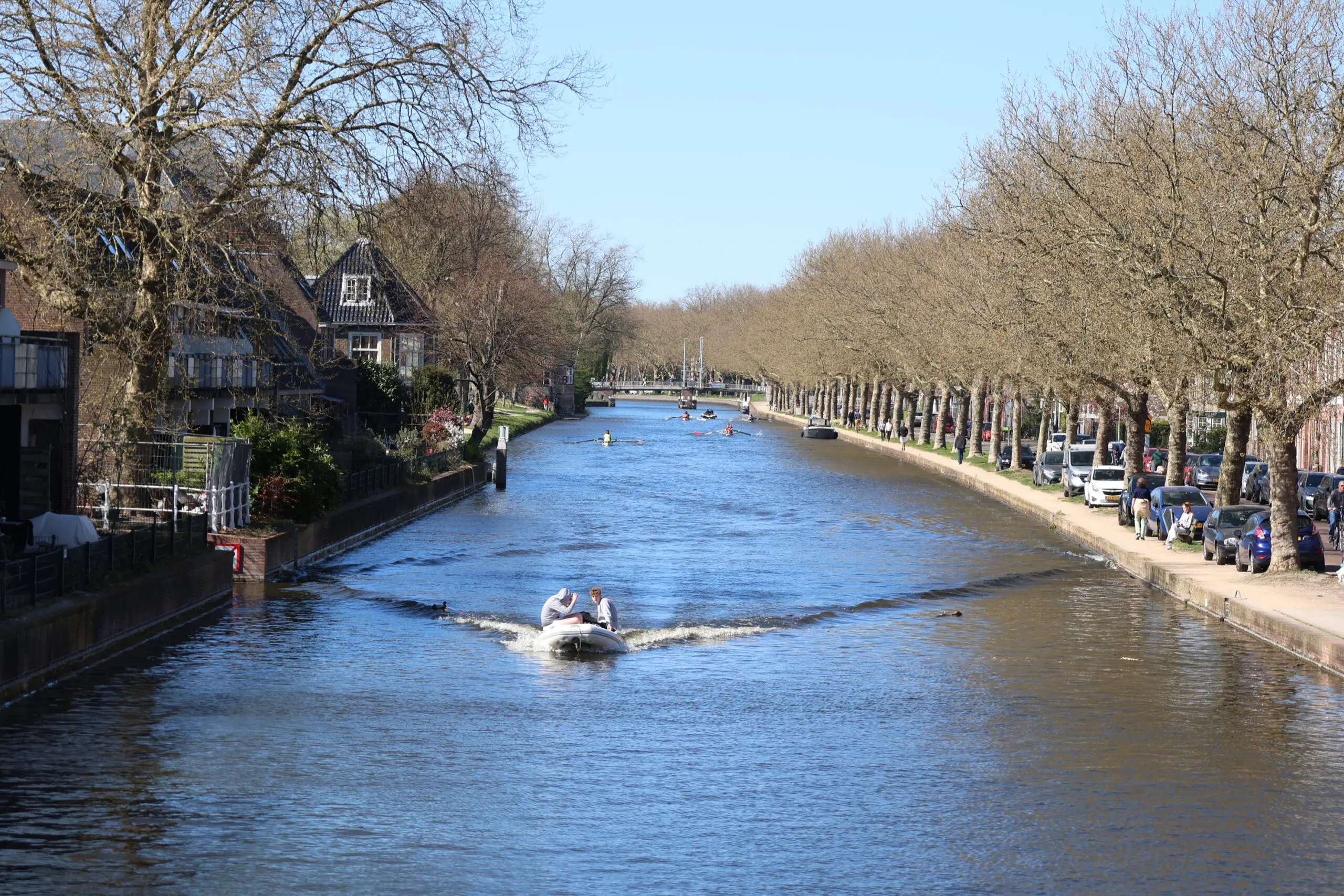
Delft. The name alone conjures images of delicate blue pottery, winding canals, and the ghost of Vermeer. While many travelers enjoy Delft as a quick day trip, this pleasant Dutch city offers so much more for those willing to linger. If you're looking to dive deeper than a fleeting visit, truly soak in its history, and experience its everyday rhythms, then planning an hands-on trip is your best bet.
This guide is your practical companion, focusing on the 'how-to' of traveling in Delft. We’ll cover everything from when to go and how to navigate, to budgeting, packing, and understanding local customs. Get ready to see Delft beyond the postcards.
Quick Facts: Delft, Netherlands
- Currency: Euro (€)
- Language: Dutch (English widely spoken)
- Time Zone: Central European Time (CET) / CEST
- Plug Type: Type C & F (two round pins)
- Drinking Water: Safe to drink from the tap
- Emergency Number: 112
When to Visit Delft: Seasons, Weather, and Events
Choosing the right time to visit Delft can significantly shape your experience. Each season offers a different character, but also comes with its own considerations.
Spring (March - May)
Spring is arguably the most popular time to visit the Netherlands, and Delft is no exception. The city awakens with blooming flowers, particularly tulips, making it exceptionally photogenic. Temperatures are mild, typically ranging from 8°C to 15°C (46°F to 59°F). Expect some rain showers, but also plenty of sunshine. The crowds start to pick up, especially around Easter and King's Day (April 27th), a national holiday filled with orange celebrations.
King's Day (Koningsdag)
When: April 27th
A national holiday celebrating the King's birthday. Expect busy street parties, flea markets, and everyone dressed in orange. Public transport schedules may be altered, and some shops might close.
Summer (June - August)
Summer brings the warmest weather, with averages between 18°C and 25°C (64°F to 77°F). Days are long, and the city's outdoor terraces and canals are busy. This is peak tourist season, so expect larger crowds and higher prices for accommodation. Booking tours and hotels well in advance is essential. Canal cruises are in full swing, offering a relaxing way to see the city.
Autumn (September - November)
Autumn offers a quieter, yet still beautiful, experience. The busy fall foliage paints the city in warm hues, and the tourist crowds thin out. Temperatures cool down to 10°C to 17°C (50°F to 63°F), and rainfall increases. This can be an excellent time for budget-conscious travelers or those who prefer a more serene atmosphere. Museums and indoor attractions are less crowded.
Winter (December - February)
Winter in Delft is cold, with temperatures often hovering around freezing (0°C to 7°C / 32°F to 45°F). Snow is possible, creating a distinctive, frosty landscape, especially along the canals. While some outdoor activities might be limited, the city’s cozy cafes and museums provide a warm refuge. Christmas markets and festive lights add a special touch. Tourist numbers are at their lowest, meaning better deals on flights and hotels.
How to Get to Delft
Delft is exceptionally well-connected within the Netherlands and Europe, making it easy to reach by train, plane, or car.
By Air
The nearest major international airport is Amsterdam Airport Schiphol (AMS). From Schiphol, you can take a direct train to Delft. The journey is straightforward and takes approximately 45-60 minutes.
Alternatively, Rotterdam The Hague Airport (RTM) is even closer, about 15-20 minutes by taxi or public transport (bus to Rotterdam Central Station, then train to Delft). RTM primarily serves European destinations.
By Train
The Dutch railway system (NS) is efficient and extensive. Delft's central train station, Delft Centraal Station, is a modern hub located right in the city center, making it easy to walk to most accommodations.
* From Amsterdam Centraal: Direct trains take about 1 hour.
* From Rotterdam Centraal: Direct trains take about 15 minutes.
* From The Hague Centraal: Direct trains take about 10-15 minutes.
You can purchase train tickets at the station from ticket machines or service desks. For convenience, consider an OV-chipkaart if you plan to use public transport extensively across the Netherlands, though paper tickets for single journeys are also available.
By Car
While possible, driving directly into Delft isn't always recommended due to limited and often expensive parking in the historic center. If you do drive, look for parking garages on the outskirts of the center, such as Phoenixgarage or Zuidpoortgarage, and then walk or use public transport into the city centre. Consider 'Park and Ride' (P+R) options in nearby cities like The Hague or Rotterdam if you're exploring the wider region.
Getting Around Delft
Delft is a compact city, perfect for exploration on foot or by bike.
Walking
The historic city center is largely pedestrian-friendly. Most major attractions, shops, and restaurants are within easy walking distance of each other. Strolling along the canals and through narrow streets is one of the best ways to experience Delft's character.
Cycling
This is the Netherlands, after all! Renting a bicycle is an authentic and efficient way to get around. You'll find several bike rental shops near the train station and throughout the city. Expect to pay around €10-€15 per day for a standard city bike. Always lock your bike securely and follow traffic rules (cyclists have priority in many areas, but pedestrians also need to be aware).
Public Transport (Bus)
Delft has a local bus network operated by EBS and HTM. While most of the city center is walkable, buses are useful for reaching attractions further afield, like the Royal Delft factory. You can pay for bus tickets with a debit/credit card (contactless payment is common) or an OV-chipkaart.
Canal Cruises
For a unique perspective, consider a canal cruise. These typically run from April to October and last about 45-60 minutes, offering insights into Delft's history and architecture from the water. Adult tickets are around €14.50.
Guided Tours
If you prefer a structured introduction to the city, walking tours are an excellent option. They provide historical context and local insights you might miss on your own. For example, the "Walking Tour of Delft - The City of Orange and Blue" is highly rated with 4.9/5 stars from 33 reviews. It's a small-group experience through photogenic streets and canals.
Some links on this page are affiliate links — we may earn a commission at no extra cost to you.
For a more personalized experience, consider a private tour. "Tour Delft - Private Tours" boasts a perfect 5-star rating from 48 reviews, offering tailored sightseeing at your own pace.
Budget Breakdown: What to Expect in Delft
Delft offers options for various budgets, but generally, the Netherlands can be a bit pricier than some other European destinations. Here’s a rough breakdown:
Accommodation
* Budget (Hostels/Guesthouses): €30-€60 per night for a dorm bed or basic private room.
* Mid-range (3-star hotels/B&Bs): €80-€150 per night.
* Luxury (4-5 star hotels): €150+ per night.
Booking well in advance, especially for summer or popular events, can help secure better rates.
Food & Drink
- Budget (Street food/Supermarkets): €5-€15 per meal. Think stroopwafels, fries (patat), or making your own sandwiches.
- Mid-range (Casual restaurants/cafes): €15-€30 per meal. Many cafes offer "daghap" (daily special) for good value.
- Fine dining: €40+ per meal.
- Coffee: €3-€5
- Beer (local): €5-€7
Attractions & Activities
Many of Delft's main attractions have entrance fees.
* Combined ticket for Oude Kerk & Nieuwe Kerk: €10 for adults. An additional tower climb for Nieuwe Kerk is €7.50.
* Royal Delft Museum: Adult admission is €17.50. This is a must-do for many visitors, with over 1200 reviews and a 4.3/5 rating. You can see how the world-famous blue and white earthenware is still hand-painted.
* Canal Cruise: ~€14.50.
* Walking Tour: ~€23.
* Bike Rental: ~€10-€15 per day.
Transportation
- Train from Schiphol to Delft: ~€12-€15 one-way.
- Local bus ticket: ~€2.50-€4 per ride, or use an OV-chipkaart for cheaper fares.
Safety Tips for Travelers in Delft
Delft is a very safe city, but like any travel destination, it's wise to be aware of your surroundings.
- Pickpocketing: While rare, pickpocketing can occur in crowded tourist areas, especially during peak season or at markets. Keep your valuables secure and out of sight.
- Bikes: Bicycle theft is more common than other crimes. If you rent a bike, always use a good lock and try to park it in designated areas.
- Traffic: Be mindful of cyclists! They have their own lanes and often have right-of-way. Look both ways, especially when crossing bike paths.
- Canals: Be cautious around the canals, especially at night or after consuming alcohol. There are often no railings.
- Emergency Numbers: Dial 112 for police, ambulance, or fire services.
Delft Neighborhoods: Where to Stay
Delft is small, so most accommodations will put you within easy reach of the main attractions. That said, each area offers a slightly different vibe.
City Center (Centrum)
Stay here for direct access to attractions, restaurants, and a busy atmosphere.
Vermeer Quarter
Historic character with quieter streets, close to museums and galleries.
Westerkwartier
Residential area, great for a more local feel and often better value accommodation.
Around Delft Centraal Station
Convenient for day trips, with modern hotels and good transport links.
City Center (Centrum)
This is the heart of Delft, encompassing the Markt square, Oude Kerk, and Nieuwe Kerk. Staying here means you're steps away from everything. It's busy, especially during the day, with many cafes and shops. Expect to pay a bit more for accommodation, but the convenience is unmatched.
Vermeer Quarter (Vermeerkwartier)
Named after the famous painter, this area is just west of the Markt. It offers a slightly quieter, more residential feel while still being very central. You'll find pleasant B&Bs and smaller guesthouses here, often with traditional Dutch architecture.
Westerkwartier
Located west of the city center and south of the train station, Westerkwartier is a more residential neighborhood. It's a good option if you're looking for slightly more affordable accommodation and don't mind a 10-15 minute walk to the main square. You'll find local shops and a more authentic glimpse into Delft life.
Around Delft Centraal Station
The area immediately surrounding the modern train station offers convenience for arrivals and departures, as well as easy connections for day trips. You'll find more contemporary hotels here. It's still very walkable to the historic center.
Packing List for Delft
Packing smart ensures a comfortable trip, no matter the season.
- Layers: Dutch weather can be unpredictable. Pack layers you can easily add or remove.
- Waterproof Jacket/Umbrella: Rain showers can occur year-round. A lightweight, waterproof jacket is highly recommended.
- Comfortable Walking Shoes: You'll be doing a lot of walking or cycling on cobblestone streets.
- Adapter: Type C or F plug adapter for your electronics.
- Reusable Water Bottle: Tap water is safe and delicious.
- Small Backpack/Day Bag: For daily essentials, snacks, and souvenirs.
- Camera: For capturing Delft's beauty.
- Portable Power Bank: To keep your devices charged on the go.
- Sunscreen/Hat: Even on cloudy days, UV rays can be strong, especially in summer.
- Scarf/Gloves (Autumn/Winter): Essential for colder months.
Local Customs and Etiquette in Delft
Understanding a few local customs can enhance your experience and show respect for Dutch culture.
- Greetings: A simple "Hallo" or "Goedendag" (good day) is polite. Handshakes are common for introductions.
- Punctuality: The Dutch value punctuality. If you have an appointment or tour, aim to be on time.
- Directness: Dutch communication can be very direct. Don't mistake it for rudeness; it's simply a cultural difference.
- Cycling Rules: Always stick to bike lanes
- Cycling Rules: Always stick to bike lanes and follow traffic signals. Yield to pedestrians when appropriate, but be aware that cyclists often have priority. Ring your bell to alert others if needed.
- Tipping: Tipping is not obligatory in the Netherlands, as service charges are usually included in the price. But if you receive excellent service, rounding up the bill or leaving a few euros (5-10% for exceptional service) is appreciated.
- Queuing: Form orderly queues at shops, bus stops, and attractions.
- "Gezelligheid": This untranslatable Dutch word embodies coziness, conviviality, and a warm, pleasant atmosphere. You'll experience it in cafes and social gatherings. Embrace the "gezellig" vibe!
- Environmental Awareness: The Dutch are generally environmentally conscious. Recycle when possible, and avoid littering.
Practical Tips for Your Delft Adventure
Beyond the general advice, here are some specific tips to make your Delft trip smoother and more enjoyable.
- Buy Tickets Online in Advance: For popular attractions like the Royal Delft Museum or the Oude/Nieuwe Kerk, purchasing tickets online can save you time and sometimes offer a small discount. This also guarantees entry, especially during busy periods.
- Consider a Museumkaart (Museum Card): If you plan to visit multiple museums across the Netherlands, a Museumkaart can be a cost-effective option. It offers free entry to over 400 museums, including Royal Delft.
- Learn a Few Dutch Phrases: While English is widely spoken, especially by younger generations and in tourist areas, learning a few basic Dutch phrases like "Dank u wel" (thank you very much) or "Alstublieft" (please/you're welcome) will be appreciated.
- Carry Cash (Euros) and Cards: Most places accept debit and credit cards, but having some euros for smaller purchases, market stalls, or unexpected needs is always a good idea. Contactless payment is very common.
- Explore Beyond the Markt: While the Markt square is beautiful, don't limit yourself. Wander down the smaller side streets, see hidden courtyards, and explore the residential areas to find local bakeries or unique shops.
- Visit the Saturday Market: If your trip includes a Saturday, head to the Markt square for the weekly market. You'll find everything from fresh produce and flowers to cheese and textiles. It’s a busy experience and a great place to pick up some local treats.
- Stay Hydrated and Snack Smart: With all the walking and cycling, keep a reusable water bottle handy. Grab some local cheese, stroopwafels, or herring from a street vendor for quick, authentic snacks.
FAQ
Is Delft suitable for a family trip with young children?
Absolutely! Delft is very walkable, and its compact size makes it manageable for families. Many attractions, like the Royal Delft Museum, offer child-friendly elements, and the canals provide a lovely backdrop for strolls. Parks and playgrounds are also available.
Can I visit Delft as a day trip from Amsterdam?
Yes, Delft is a popular day trip from Amsterdam. A direct train takes about an hour, making it very convenient. However, to truly experience the city and its quieter moments, consider staying at least one night.
What's the best way to experience Delft's famous Delft Blue pottery?
The best way is to visit the Royal Delft Museum (Koninklijke Porceleyne Fles). Here, you can see the traditional hand-painting process, learn about its history, and explore the museum's collections. They even offer workshops where you can paint your own tile.
Are there vegetarian or vegan food options in Delft?
Yes, vegetarian and vegan options are increasingly available in Delft. Many restaurants will clearly mark plant-based dishes, and you'll find cafes offering vegan cakes or sandwiches. Supermarkets also have a good selection of plant-based products.
Is it necessary to book tours or accommodations in advance?
For peak season (summer, spring holidays) or if you have specific preferences, booking both accommodations and popular tours (especially private ones) well in advance is highly recommended. During the off-season, you might find more flexibility, but online booking often secures better rates.
What is the local currency, and should I carry cash?
The local currency is the Euro (€). While card payments (debit and credit) are widely accepted, especially for larger purchases, it's always good to carry some cash for smaller transactions, market stalls, or if you encounter a cash-only establishment.