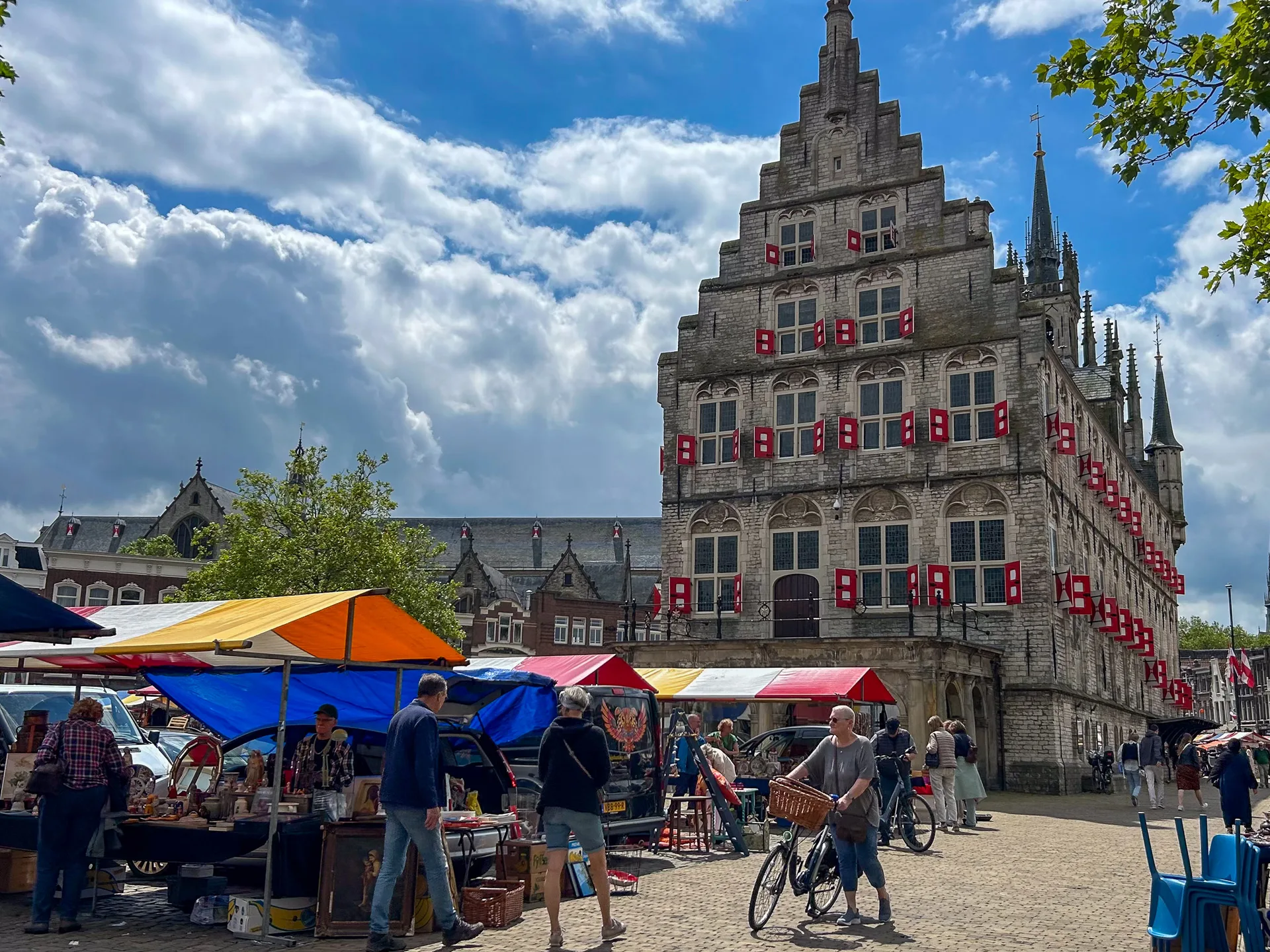
Delft, a city synonymous with historic canals, stunning architecture, and the iconic Delft Blue pottery, offers a quintessential Dutch experience. Beyond its artistic heritage, Delft is a remarkably accessible and pleasant destination. Whether you're planning a quick day trip from Amsterdam or a longer stay to soak in its serene atmosphere, this guide provides all the practical details you need for a smooth and enjoyable visit in 2026.
Ready to explore a city where history and modern Dutch life blend seamlessly? Let's try planning your adventure.
Best Time to Visit Delft
Choosing the right time to visit Delft can significantly shape your experience. The city has distinct charms throughout the year, but some seasons offer a better balance of weather, crowd levels, and activities.
Spring (April - May)
Spring is arguably the most enchanting time to visit the Netherlands, and Delft is no exception. Temperatures are mild, typically ranging from 10-18°C (50-65°F), and the city's gardens and surrounding areas burst into bloom. You'll find fewer crowds compared to summer, making it ideal for strolling along canals and exploring museums. The famous tulip fields are also within easy reach for a day trip.
Delft Antiekmarkt Season
When: Saturdays, April 11th - September 26th, 2026
Experience the character of Delft's seasonal antique market. Browse unique finds along the canals in Hippolytusbuurt. Arrive early for the best selection!
Summer (June - August)
Summer brings the warmest weather, with averages between 20-25°C (68-77°F). Days are long, and the city thrives with outdoor terraces and events. Yet, this is also peak tourist season, meaning larger crowds and potentially higher prices for accommodation. If you love a busy atmosphere and don't mind sharing the city with many others, summer is fantastic. Be sure to book your lodging well in advance.
Autumn (September - October)
As the leaves turn golden, Delft takes on a photogenic quality. Temperatures cool down to 10-17°C (50-63°F), and the summer crowds begin to dissipate. This season offers a peaceful atmosphere for sightseeing, often with clear, crisp days perfect for photography. It’s a great choice if you prefer a quieter trip while still enjoying pleasant weather.
Winter (November - March)
Winter in Delft is chilly, with temperatures often hovering around freezing. While cold and sometimes wet, the city can be beautiful, especially if you catch a rare snowfall. Christmas markets and festive lights add a cozy character. This is the quietest time for tourists, offering a more local feel and potentially lower prices. Just remember to pack warm layers!
Getting to Delft
Delft is exceptionally well-connected within the Netherlands, making it easy to reach from major entry points like Amsterdam Schiphol Airport or other Dutch cities.
By Air
The closest international airport is Amsterdam Airport Schiphol (AMS). From Schiphol, you can take a direct train to Delft. The journey typically takes about 45-60 minutes. Trains run frequently throughout the day.
By Train
The Dutch railway system (NS) is efficient and reliable. Delft Centraal Station is located right in the city center, making arrivals incredibly convenient.
- From Amsterdam Centraal: Direct trains run regularly, taking approximately one hour.
- From Rotterdam Centraal: A quick 15-minute train ride.
- From The Hague Centraal: Just a 10-minute train journey.
Consider purchasing an OV-chipkaart (public transport chip card) if you plan extensive travel by train, tram, or bus across the Netherlands. Otherwise, single-use tickets can be bought at station vending machines or online.
By Car
Driving to Delft is possible, but generally not recommended for exploring the city center due to limited parking and pedestrian zones. If you do arrive by car, look for parking garages on the outskirts of the historical center, such as Phoenixgarage or Zuidpoortgarage. Parking fees can add up quickly.
Organized Tours from Amsterdam
If you prefer a guided experience and want to combine Delft with other nearby cities, several small-group tours operate from Amsterdam. These often include transportation and a local guide, taking the hassle out of logistics. One popular option combines Delft with Rotterdam and The Hague. This type of tour, rated 4.7 with over 330 reviews, offers a convenient way to see multiple highlights in one day.
Some links on this page are affiliate links — we may earn a commission at no extra cost to you.
Getting Around Delft
Delft is a compact city, perfectly suited for exploration on foot or by bike. You'll find navigating its pleasant streets and canals a breeze.
Walking
The historic city center is largely pedestrian-friendly, making walking the ideal way to experience Delft. Most major attractions, shops, and restaurants are within a 15-20 minute walk of each other. Comfortable shoes are a must!
Cycling
When in the Netherlands, do as the Dutch do! Cycling is deeply ingrained in the culture and an excellent way to get around Delft. You'll find numerous bike rental shops near the train station and throughout the city. Bike paths are extensive and well-maintained.
Public Transport (Bus & Tram)
While less necessary for the compact center, Delft has a reliable bus network that connects to surrounding areas. The tram line 1 also runs through Delft, linking it to The Hague. For public transport, you can use an anonymous OV-chipkaart (available at train stations and some supermarkets) or purchase single-use tickets from the driver (cashless payment is often preferred).
Budgeting for Your Delft Trip
Delft offers options for various budgets, but generally, the Netherlands can be a bit pricier than some other European destinations. Here's a breakdown to help you plan your finances for 2026.
Accommodation
- Budget (Hostels/Guesthouses): Expect €30-€60 per night for a dorm bed or basic private room.
- Mid-Range (Boutique Hotels/B&Bs): €80-€150 per night for a comfortable room in a well-located hotel.
- Luxury (High-end Hotels): €180+ per night for premium amenities and prime locations.
Booking in advance, especially during peak season, can often secure better rates.
Food
- Budget (Supermarkets/Street Food): €10-€20 per day. Grab a broodje (sandwich), stroopwafel, or fries from a snack bar.
- Mid-Range (Casual Restaurants): €25-€40 per person per meal. Enjoy a meal at a cozy canal-side restaurant.
- High-End (Fine Dining): €50+ per person per meal. Delft has several excellent upscale dining options.
Consider grocery shopping for breakfast and some lunches to save money. Local markets also offer fresh and affordable produce.
Activities & Sightseeing
- Museums/Attractions: Most major attractions cost €10-€18 for adult entry.
- For example, the Vermeer Centrum Delft charges €15 for adults.
- A combi-ticket for the Nieuwe Kerk and Oude Kerk is €10.
- Free Activities: Walking tours, exploring canals, visiting the market (window shopping is free!), and enjoying the city's parks.
Transportation
- Within Delft: Mostly free if walking or cycling. Bike rental costs around €10-€15 per day.
- Intercity Trains: A single train ticket from Amsterdam to Delft is typically €15-€20 one-way.
- Public Transport (Bus/Tram): Single tickets are a few euros, or use an OV-chipkaart for slightly lower fares.
| Category | Budget Traveler (per day) | Mid-Range Traveler (per day) |
|---|---|---|
| Accommodation | €40 | €120 |
| Food | €20 | €50 |
| Activities | €10 (mix free/paid) | €25 (1-2 paid attractions) |
| Local Transport | €0-€10 (walking/bike) | €0-€10 (walking/bike/bus) |
| Total Estimated Daily Cost | €70 - €80 | €195 - €205 |
Note: These are estimates for 2026 and can vary based on specific choices and current exchange rates.
Where to Stay in Delft (Neighborhoods)
Delft offers several pleasant areas to base yourself, each with a slightly different vibe. The city is small enough that most areas provide good access to attractions.
Historic City Center
Stay amidst canals, shops, and main attractions, ideal for walking.
Around Delft Centraal Station
Convenient for day trips, with modern hotels and good connections.
Vermeer Quarter
Quiet, photogenic streets near the Old Church and Vermeer's legacy.
Westerkwartier
A more residential feel, offering a glimpse into local life, slightly further out.
- Historic City Center: This is the heart of Delft, characterized by its narrow streets, canals, and historic buildings. Staying here means you're steps away from the Nieu
...Kerk, Oude Kerk, and countless cafes. It’s perfect if you want to be in the middle of the action and enjoy evening strolls. Yet, it can be a bit pricier and sometimes noisier.
- Around Delft Centraal Station: Just outside the immediate historic core, this area offers modern hotels and excellent connectivity for day trips to Rotterdam or The Hague. It's a practical choice if convenience is your priority, often with slightly more contemporary amenities.
- Vermeer Quarter (Vermeerkwartier): Located near the Oude Kerk and the Vermeer Centrum, this area is quieter and incredibly photogenic, with pleasant residential streets and smaller canals. It offers a more serene experience, ideal for those seeking tranquility within easy reach of cultural sites.
- Westerkwartier: A bit further west from the center, this neighborhood provides a more residential feel. You might find more local eateries and a glimpse into daily Delft life. It's a good option for travelers looking for a quieter stay and potentially more affordable accommodation, though it requires a slightly longer walk or bike ride to the main attractions.
Safety Tips for Travelers in Delft
Delft is a very safe city, and the Netherlands generally has a low crime rate. Still, like any tourist destination, it's wise to be aware of your surroundings and take basic precautions.
- Watch Your Belongings: Petty theft, like pickpocketing, can occur in crowded tourist areas or on public transport. Keep an eye on your bags, especially in busy markets like the Delft Antiekmarkt.
- Cycling Safety: If you're renting a bike, be mindful of local cyclists who often ride quickly and confidently. Use bike lanes, obey traffic signals, and always lock your bike securely when parked. Bike theft is unfortunately common.
- Canal Safety: While beautiful, the canals pose a risk, especially at night or after consuming alcohol. Be careful when walking along the edges, particularly with children.
- Emergency Numbers: In case of an emergency, dial 112 for police, ambulance, or fire services. For non-emergencies, dial 0900-8844 for the police.
- Travel Insurance: Always recommend having comprehensive travel insurance to cover unexpected medical emergencies, trip cancellations, or lost luggage.
What to Pack for Delft
Your packing list will largely depend on the season you visit, but here are some essentials for any trip to Delft in 2026.
Clothing
- Layers are Key: Dutch weather can be unpredictable, even in summer. Pack versatile layers that you can add or remove easily.
- Waterproof Outerwear: A light rain jacket or umbrella is advisable year-round.
- Comfortable Walking Shoes: You'll be doing a lot of walking on cobblestone streets.
- Dress Code: Delft is casual. Smart casual attire is generally fine for restaurants and evenings out.
Essentials
- Universal Adapter: The Netherlands uses Type F (Schuko) sockets, with two round pins.
- Reusable Water Bottle: Stay hydrated and reduce plastic waste. Tap water is safe to drink.
- Small Backpack/Day Bag: Handy for carrying your essentials while exploring.
- Medications: Bring any prescription medications in their original packaging, along with copies of prescriptions.
- Portable Power Bank: Keep your phone charged for navigation and photos.
Seasonal Considerations
- Spring/Autumn: Light jacket, scarf, sweater, long-sleeved shirts.
- Summer: Lighter clothing, sunglasses, sun hat, but still bring a light jacket for cooler evenings.
- Winter: Warm coat, hat, gloves, scarf, thermal layers, waterproof boots.
Local Customs & Etiquette in Delft
Understanding a few local customs can enhance your experience and help you interact respectfully with residents.
* Greetings: A simple "Hallo" (hello) or "Goedendag" (good day) is polite. Handshakes are common when meeting someone new.
* Punctuality: The Dutch value punctuality. If you've made an appointment, try to be on time.
* Tipping: Tipping isn't as ingrained as in some other countries. Service charges are usually included in restaurant bills. If you receive excellent service, rounding up the bill or leaving a few euros (5-10%) is appreciated but not mandatory. For taxis, rounding up is common.
* Cycling Etiquette: Be aware of cyclists. They have right of way in many situations. Don't walk in bike lanes.
* Directness: The Dutch are known for being direct and straightforward in communication. Don't interpret this as rudeness; it's simply their communication style.
* Smoking: Smoking is generally prohibited indoors in public places like restaurants and bars. Designated smoking areas may exist.
* Delft Blue: While tempting to haggle in a market, it's not customary in shops selling Delft Blue pottery or other fixed-price items. At the Delft Antiekmarkt, a little friendly negotiation might be acceptable for larger purchases, but don't expect dramatic reductions. This market, with its 4.3 rating from nearly 300 reviews, is a great place to experience local trade.
Exploring Delft's Cultural Heart
While this guide focuses on practicalities, it's worth mentioning some of Delft's top cultural experiences that you'll want to incorporate into your itinerary. These are the places that truly bring Delft's history and artistry to life.
The Vermeer Centrum Delft offers a deep try the life and work of the city's most famous son, Johannes Vermeer. With a solid 4.1 rating from over 860 reviews, it provides an hands-on experience showcasing all 37 of his known works (as high-quality reproductions) and insights into 17th-century Delft. It's fully accessible and includes a free audio tour in multiple languages, making it a well-rounded cultural stop.
Don't miss the chance to visit the Nieuwe Kerk (New Church) and Oude Kerk (Old Church). These historic landmarks are central to Delft's identity. The Nieuwe Kerk, with its impressive spire, offers panoramic city views from its tower (tickets required, children under 6 not permitted). The Oude Kerk, known for its leaning tower and as Vermeer's burial place, exudes centuries of history. A combi-ticket for both churches plus tower access is a great value at €15 for adults.
For a unique peek into Delft's most famous craft, the Royal Delft Museum (Koninklijke Porceleyne Fles) is a must. As the last remaining 17th-century Delftware factory, it continues to produce the iconic blue pottery by hand. Visitors can watch live painting demonstrations and explore historical collections. It's rated 4.7, indicating a highly satisfying experience for most visitors.
Practical Tips
- OV-chipkaart: If using public transport frequently, buy an anonymous OV-chipkaart (€7.50, non-refundable) at train stations or tobacco shops. Load it with credit. Tap in when entering a bus/tram/train, and tap out when exiting.
- Currency: The official currency is the Euro (€). Credit and debit cards are widely accepted, but it's always good to carry some small cash for smaller purchases or market stalls.
- Language: Dutch is the official language, but most people, especially in tourist areas, speak excellent English. Learning a few basic Dutch phrases like "Dank u wel" (thank you very much) will be appreciated.
- Wi-Fi: Free Wi-Fi is common in hotels, cafes, and public spaces.
- Market Days: The main weekly market in Delft (for produce, goods) is held on Thursdays and Saturdays. The special Delft Antiekmarkt (antique market) is on Saturdays from April to September.
- Tourist Information: The VVV Delft Tourist Information Office, located at Hippolytusbuurt 4, is a great resource for maps, brochures, and local advice.
FAQ
How many days do you need to see Delft?
You can comfortably see the main sights of Delft in one full day. Still, to truly spend time on the street, explore the museums, and enjoy the canals without rushing, a two-day trip is ideal.
Is Delft a walkable city?
Absolutely! Delft's historic city center is very compact and largely pedestrian-friendly, making walking the best way to explore its pleasant streets, canals, and main attractions.
Is Delft expensive to visit?
Delft is moderately expensive, comparable to other popular Dutch cities. Accommodation and dining can range from budget-friendly options to more luxurious experiences. Expect daily costs of €70-€80 for budget travelers and €195-€205 for mid-range travelers, excluding intercity transport.
Can you visit Delft as a day trip from Amsterdam?
Yes, Delft is a very popular and easy day trip from Amsterdam. A direct train from Amsterdam Centraal takes approximately one hour, dropping you right in the heart of Delft. Many organized tours also offer this option.
What's the best way to pay for things in Delft?
Credit and debit cards (Maestro is widely accepted) are preferred for most transactions. However, it's wise to carry some Euros for smaller purchases, market stalls, or in case a smaller shop doesn't accept cards.
What should I know about cycling in Delft?
Cycling is a fantastic way to get around! Always use dedicated bike lanes, obey traffic signals, and use hand signals when turning. Be mindful of pedestrians, and always lock your bike securely to a fixed object when not in use.