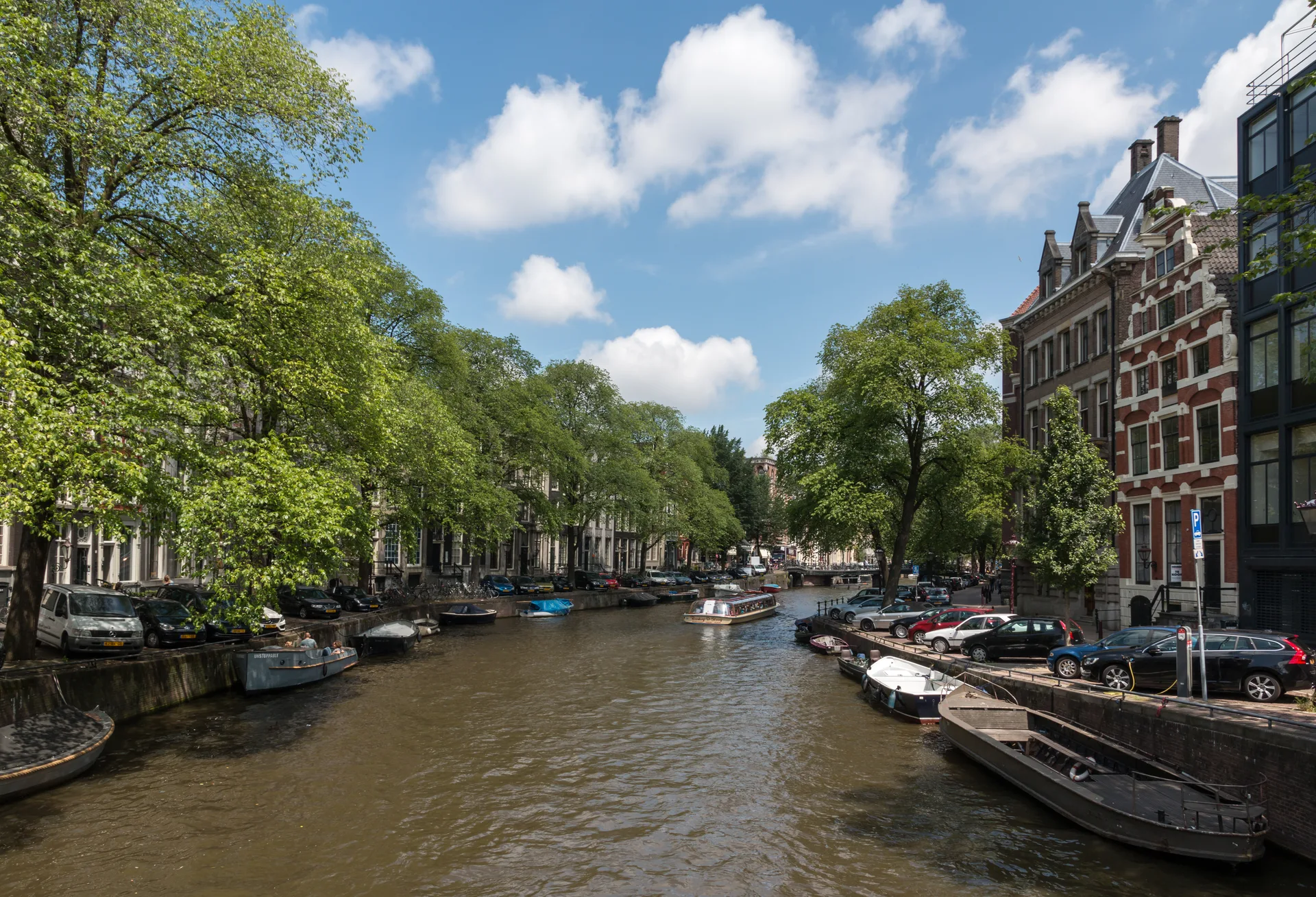
Introduction: More Than Windmills and Tulips
The Netherland—often called Holland colloquially—is a compact country where culinary traditions meet a fiercely independent, bike-first culture. With a population of over 17 million, it’s a nation of direct talkers, cheese connoisseurs, and coffee drinkers who expect a single kopje koffie to last an hour. This guide covers the foods you must try (and where to find them), the etiquette that will make you a welcome guest, and the cultural tips that ensure you don’t stand out as a tourist—at least not too much.
Prices are in EUR (€) and reflect 2025 averages. Transport details are based on the national operator NS and local systems.
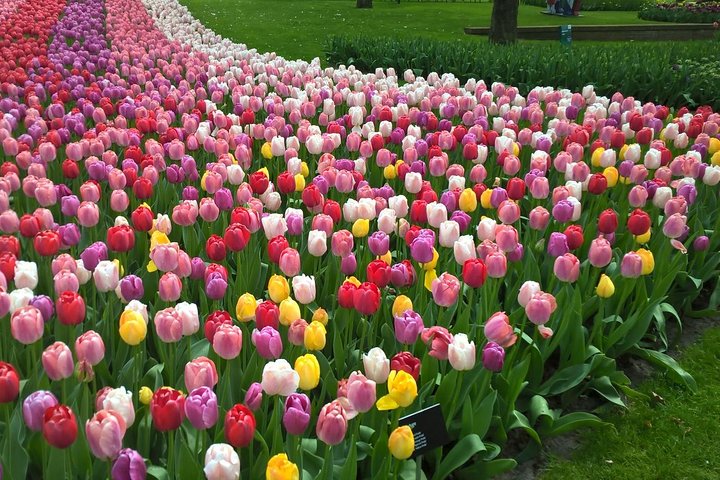
Keukenhof's Tulips and Windmills Small-Group Tour from Amsterdam
Travel in a small group, 16 guests maximum, to ensure personal attention from your guide. You will visit a wooden shoe w
Book on ViatorMust-Try Dishes: From Street Food to Dinner Table
1. Bitterballen: The Ultimate Bar Snack
- What it is: Deep-fried, breaded, and filled with a thick ragout of beef or veal, mustard, and nutmeg. Served with a side of sharp mustard.
- Where to try: Café De Drie Fleschjes (Gravenstraat 18, Amsterdam) – a historic proeflokaal (tasting house) dating to 1650. Expect €8 for a plate of six with mustard.
- Price range: €6–€10 in bars; frozen versions at supermarkets like Albert Heijn for €3.
- Cultural note: Bitterballen are always eaten with a toothpick or small fork—never your fingers. They’re the perfect companion to a biertje (small beer).
2. Stroopwafels: The Sweet Griddle Cake
- What it is: Two thin waffles pressed with a caramel-like syrup (stroop) in between. Best eaten fresh from a market stall.
- Where to try: Albert Cuypmarkt (Amsterdam, open Mon–Sat 9:00–17:00). Look for Stroopwafelkraam at stall #123. A warm, fresh stroopwafel costs €2.50. Packaged versions (e.g., from Van Wonderen at Kalverstraat 190) start at €5 for a bag of 6.
- Price range: €1.50–€3 fresh; €3–€8 packaged.
- Pro tip: Place a stroopwafel over your coffee cup for 2 minutes to soften the syrup—this is the Dutch way.
3. Raw Herring (Haring)
- What it is: Raw herring fillet, typically served with chopped raw onions and pickles. Eaten by holding the tail and lowering it into your mouth.
- Where to try: Haringhandel Stubbe’s (Singel 376, Amsterdam) – a tiny shop open since 1914. A herring with onions and a bread roll costs €4.50. For a sit-down version, Frens Haringhandel (Prins Hendrikkade 94) offers a plate for €7.
- Price range: €3–€7 per herring.
- Season: Best from May to July (the new catch, Hollandse Nieuwe). Frozen herring is available year-round.
4. Poffertjes: Mini Pancakes
- What it is: Fluffy, small buckwheat pancakes served with butter and powdered sugar. Often sold at street fairs and winter markets.
- Where to try: Poffertjes Bakkerij (Nieuwendijk 64, Amsterdam) – a dedicated shop. A portion of 12 costs €5.50. At the Zaanse Schans windmill village, Poffertjeskraam sells them for €4.50.
- Price range: €4–€7.
- Variation: Add fresh strawberries (€1 extra) or advocaat (Dutch eggnog) for a boozy twist.
5. Erwtensoep (Snert): Hearty Pea Soup
- What it is: A thick, almost stew-like split pea soup with pork, celery, leeks, and rookworst (smoked sausage). Traditionally eaten in winter.
- Where to try: Restaurant Greetje (Peperstraat 23, Amsterdam) – serves a classic version for €14.50. For a budget option, Soup en Zo (multiple locations) has a bowl for €6.50.
- Price range: €6–€15.
- Cultural note: The soup should be thick enough that a spoon stands upright. It’s often served with rye bread and katenspek (smoked bacon).
6. Cheese: Gouda, Edam, and Beyond
- What it is: The Netherland produces over 600 varieties of cheese, with Gouda and Edam being the most famous. Aged Gouda (Oude Kaas) has a crumbly texture and nutty flavor.
- Where to try: Cheese Museum (Prinsengracht 112, Amsterdam) – free entry, with tastings from €3. For a market experience, Gouda Cheese Market (Gouda, Thursdays 10:00–12:30, April–August) – buy a wedge of Boerenkaas (farm cheese) for €15–€25 per kilo.
- Price range: €10–€30/kg at supermarkets; €20–€50/kg at specialty shops.
- Tip: Look for Boerenkaas (raw milk cheese) with a red wax coating—it’s the artisanal standard.
7. Patat (Dutch Fries)
- What it is: Thick-cut, double-fried potatoes served in a paper cone with a choice of sauces. The classic is patatje oorlog (fries with mayonnaise, peanut sauce, and raw onions).
- Where to try: Vlaams Friteshuis Vleminckx (Voetboogstraat 33, Amsterdam) – consistently voted best fries in the city. A small cone (with sauce) costs €3.50. Frites Atelier (Stationsplein 1, Amsterdam) offers gourmet versions like truffle mayo for €6.
- Price range: €3–€7.
- Sauce tip: Try joppiesaus (a curry-mayo-onion mix) or speciaalsaus (a creamy, slightly sweet sauce).

Amsterdam E Bike Tour to the Windmills of Zaanse Schans
Cycle through Holland’s breathtaking landscapes on our Windmills E-Bike Tour from Amsterdam to Zaanse Schans. Begin by h
Book on ViatorCultural Etiquette: What to Do (and Not Do)
Greetings and Conversations
- Handshake: A firm handshake is standard, with direct eye contact. For friends, three kisses on the cheek (right-left-right) is common—but only if you know them well.
- Directness: The Dutch are famously blunt. “How much do you earn?” is a normal question among friends. Don’t be offended; it’s a sign of honesty.
- Titles: Use meneer (Mr.) and mevrouw (Mrs.) with last names until invited to use first names.
Dining Etiquette
- Reservations: Always book for dinner, especially on weekends. Use TheFork or Iens (Dutch site). Walk-ins are rare for popular spots.
- Tipping: Not mandatory, but rounding up or leaving 5–10% for good service is appreciated. In bars, simply say “hou de rest” (keep the change).
- Paying: Cash is accepted, but cards (especially Maestro or Visa) are preferred. Contactless is universal.
- Table manners: Keep your hands visible (wrists on the table, not in your lap). Finish everything on your plate; leaving food implies dissatisfaction.
- Drinks: Toasts are made with proost (cheers) and direct eye contact. Never toast with water—it’s considered bad luck.
Social Customs
- Birthdays: The Dutch celebrate verjaardag with a kring (circle) where everyone sits in a ring and shares cake. If invited, bring a small gift (€10–€20) and a card.
- Kingsday (27 April): The biggest street party. Wear orange, buy from the vrijmarkt (free market), and expect crowds. Public transport runs on a Sunday schedule.
- Punctuality: Being 5 minutes late is acceptable; 15 minutes requires a call. For dinner parties, arrive exactly on time.
Bicycle Culture
- Rules: Bikes have priority over pedestrians. Use bike lanes (fietspad) always. Ring your bell to warn others—it’s not rude.
- Parking: Never park in front of a bike shop or on a sidewalk blocking a door. Use designated racks. Fines for illegal parking start at €25.
- Rental: Prices average €10–€15/day at MacBike (multiple locations) or OV-fiets (€4.45 per 24 hours, requires an OV-chipkaart).

Private Tour to Tulips, Keukenhof, Windmills & Cheese Farm
Following pickup from your accommodation, take part in a short meet and greet with your driver before starting your jour
Book on ViatorPractical Tips for the Traveler
Transport
- Trains: The NS (Nederlandse Spoorwegen) runs frequent trains between cities. A single Amsterdam–Rotterdam ticket costs €18.50 (2nd class). Buy via the NS App or at yellow ticket machines (accepts coins and cards).
- OV-chipkaart: The universal smart card for all public transport. Buy an anonymous card for €7.50 (non-refundable) at any station, then load credit. Tap in and out on trams, buses, and metros.
- Taxis: Expensive—Amsterdam city center to Schiphol Airport costs €45–€55. Use Uber (€25–€35) or public transport (€5.50 by train).
- Bikes: As above, rental is easy. For longer trips, the OV-fiets system (€4.45/day) is the cheapest option for members (€0.01 annual fee for tourists via NS Business Card, but easier: rent from a shop).
Money
- ATMs: Widely available. Avoid Euronet ATMs (high fees). Use bank ATMs like ABN AMRO or ING.
- Budget: A meal at a mid-range restaurant costs €20–€35 per person (starter+main+drink). Street food meals (fries, herring, poffertjes) are €5–€10.
- Tipping: As above, 5–10% is fine. For a €30 meal, leave €2–€3.
Language
- English: Almost everyone speaks fluent English, but learn a few words: dank u wel (thank you), alstublieft (please/here you go), proost (cheers).
- Menu signs: Most restaurants have English menus. If not, look for menu (set meal) or dagschotel (daily special).
Safety
- General: Very safe. Pickpocketing occurs in busy areas (Damrak, Red Light District, train stations). Keep bags zipped.
- Bike theft: Lock your bike with a heavy chain lock (not a cable lock). Theft is common—never leave a bike unlocked, even for a minute.
- Emergency: Dial 112 for police, fire, or ambulance.
FAQ
1. Is tipping mandatory in the Netherland?
No, but it’s appreciated. Round up the bill or leave 5–10% for good service. In bars, rounding to the nearest euro is standard.2. What is the best way to get from Schiphol Airport to Amsterdam city center?
The NS train is fastest (15–20 minutes, €5.50 one-way). The 397 bus (€6.50) is cheaper but slower (30–40 minutes). Taxis cost €45–€55.3. Are credit cards widely accepted?
Visa and Mastercard are accepted in most places. American Express is less common (only in large hotels and some restaurants). Always carry €20–€50 cash for markets and small shops.4. What should I know about biking in the Netherland?
Always use bike lanes, ring your bell to pass, and lock your bike securely. Never bike on sidewalks or through red lights. Rental bikes have a standard height—test the seat before riding.5. What is the typical price for a meal in a restaurant?
A main course at a mid-range restaurant costs €15–€25. A three-course dinner with drinks is €30–€45. Street food (fries, herring) is €3–€7.6. When is the best time to visit for food and culture?
May–September for outdoor markets, herring season, and festivals like Kingsday (27 April). December for oliebollen (Dutch doughnuts) and winter markets. Avoid August (peak tourist season, higher prices).Some links below are affiliate links — we may earn a commission at no extra cost to you, which helps keep our guides free.


