The Netherlands welcomes millions of visitors each year, and English proficiency is remarkably high. But knowing what languages are spoken in Netherlands can transform your travel experience. This guide covers the linguistic landscape alongside practical logistics for your 2026 visit.
The Language Landscape: What You'll Hear
Dutch is the official language of the Netherlands, spoken by over 17 million people. You'll hear it everywhere — in shops, on public transport announcements, and in daily conversation.
Frisian holds official status in the province of Fryslân (Friesland). About 450,000 people speak it as their first language. You'll see bilingual signs in this northern region.
English proficiency is exceptional. According to the EF English Proficiency Index, the Netherlands consistently ranks first among non-native English-speaking countries. Over 90% of Dutch people speak English fluently. You can navigate Amsterdam, Rotterdam, and The Hague without speaking a word of Dutch.
German and French are also common second languages. Many Dutch people speak German due to proximity and trade. French is more common near the Belgian border.
In major cities, you'll hear Turkish, Arabic, and Moroccan Arabic — reflecting the Netherlands' multicultural population. Around 5% of the population speaks Turkish at home.
When to Visit: Seasonal Logistics
The Netherlands has four distinct seasons, each affecting your experience differently.
Spring (March to May) is peak tourist season. Tulip fields bloom from mid-March to mid-May. King's Day (April 27) draws massive crowds. Accommodation prices spike 30-50% above average. Book at least three months ahead.
Summer (June to August) brings warm weather and long daylight hours. Temperatures average 18-22°C (64-72°F). Tourist crowds are heavy, especially in Amsterdam. Canal cruises operate at full capacity. Expect hotel rates 20-40% higher than autumn.
Autumn (September to November) offers lower prices and fewer crowds. September often has pleasant weather. Museums are less crowded. This is the best time for budget travelers.
Winter (December to February) is quiet and cold. Temperatures hover around 2-6°C (36-43°F). Amsterdam's light festival runs from December to January. Christmas markets appear in major cities. Hotel rates drop 30-50% from summer peaks.
For 2026, note that ETIAS authorization will be required for visa-exempt nationals by mid-2026. Apply online before your trip. The Entry/Exit System (EES) has been fully operational since April 2026, registering non-EU nationals at border crossings.
Getting Around: Transport in 2026
The Netherlands has one of Europe's most efficient public transport systems.
Trains connect every major city. The NS (Nederlandse Spoorwegen) operates clean, punctual service. Amsterdam to Rotterdam takes 40 minutes. Amsterdam to The Hague takes 50 minutes. Intercity tickets typically cost €10-€20 per route.
The new 'Discover Netherlands' pass offers unlimited train travel for three days at a reduced rate. Download the NS app for itineraries and online ticket purchases, which saves €1 per ticket.
Buses and trams operate within cities. Amsterdam's GVB network covers the entire city. Single fares start at €4. Day passes range from €7-€9.50.
OVpay now allows contactless check-in using your debit card or phone. The OV-chipkaart is being phased out by end of 2027, but current cards remain valid. Always remember to check in and out.
Bike rental is the most Dutch way to explore. Rentals average €5-€15 per day. Amsterdam has dedicated bike lanes throughout the city. Lock your bike securely — theft is common.
Walking is practical in city centers. Amsterdam's Centrum is compact and walkable. The Hague's historic district is similarly accessible on foot.
Budget: What Things Cost in 2026
The Netherlands is moderately expensive compared to other European destinations.
Accommodation:
- Hostel dorm bed: €30-€50 per night
- Budget hotel (2-3 star): €80-€130 per night
- Mid-range hotel (4 star): €140-€220 per night
- Luxury hotel (5 star): €250-€500+ per night
Note: VAT on short-stay accommodation increased from 9% to 21% on January 1,
- This adds roughly 10% to your hotel bill.
Amsterdam plans to increase tourist tax to 16% in 2027, with annual 1% increases to reach 20% by
- Day trippers to Amsterdam also pay a €15 charge.
Food:
- Budget meal (fast food or market): €8-€12
- Mid-range restaurant (two courses): €25-€40
- Coffee: €3-€4
- Beer (pint): €5-€7
- Stroopwafel (fresh from market): €2-€3
Attractions:
- Rijksmuseum: €25-€27 (free for under 18)
- Van Gogh Museum: €25-€27 (free for under 17)
- Anne Frank House: €16.50 (book online only)
- Canal cruise: €14-€17 for standard 1-hour cruise
Daily budget estimates:
- Budget traveler: €60-€90 per day
- Mid-range traveler: €130-€200 per day
- Luxury traveler: €250+ per day
Safety: What You Need to Know
The Netherlands is one of Europe's safest countries. Violent crime is rare. Petty crime requires attention.
Pickpocketing is the main concern, especially in Amsterdam's Centrum, on public transport, and at tourist attractions. Keep valuables in front pockets or a money belt. Don't leave phones on café tables.
Bicycle theft is widespread. Use two locks — one for the frame, one for the wheel. Park in designated bike racks. Never leave your bike overnight on the street.
Scams targeting tourists include fake taxi drivers (use Uber or official taxis only), overpriced canal tours (book through reputable operators), and ticket resellers outside museums (buy only from official websites).
Night safety is generally good. Amsterdam's Red Light District has a heavy police presence. Women can walk alone safely in most areas. Trust your instincts in quiet, poorly lit streets.
Emergency numbers: 112 for police, fire, or ambulance. English-speaking operators are available.
Practical Tips for Your 2026 Visit
Book museum tickets in advance. The Rijksmuseum, Van Gogh Museum, and Anne Frank House require online time slot bookings. Tickets sell out weeks ahead during peak season. The I amsterdam City Card does not offer free entry to the Van Gogh Museum or Anne Frank House.
Consider the Museumkaart. For non-residents, it costs €75 and provides access to approximately 400 museums across the Netherlands for one month. If you plan to visit 4+ museums, it pays for itself.
Use the I amsterdam City Card strategically. It includes unlimited GVB public transport, free entry to over 70 museums, and one canal cruise. A 120-hour card costs around €28 per day.
Prepare for rain. The Netherlands averages 200 rainy days per year. Pack a waterproof jacket and comfortable walking shoes.
Stay in neighborhoods outside Centrum. Areas like De Pijp, Jordaan, and Oud-West offer lower prices and local atmosphere. Tram connections are excellent.
Experiencing Dutch Culture: Top Activities
Make Your Own Stroopwafel
The Amsterdam Make Your Own Dutch Stroopwafel Workshop offers a hands-on cultural experience. You'll mix dough from scratch, bake on traditional irons, and fill your XL stroopwafels. With a 4.88 rating from 33 reviews, this workshop teaches you about Dutch food culture while you create your own sweet souvenir.

Amsterdam Make Your Own Dutch Stroopwafel Workshop
This hands-on Stroopwafel Experience goes beyond tasting. You’ll make your own XL Dutch stroopwafels completely from scr
Book on ViatorVan Gogh and Rembrandt Immersive Experience
Located in Amsterdam's historic Noorderkerk, this exhibition explores the artistic connection between Vincent van Gogh and Rembrandt. The immersive digital experience uses projection mapping to bring their masterpieces to life. Tickets cost €17. Open daily except Sundays.
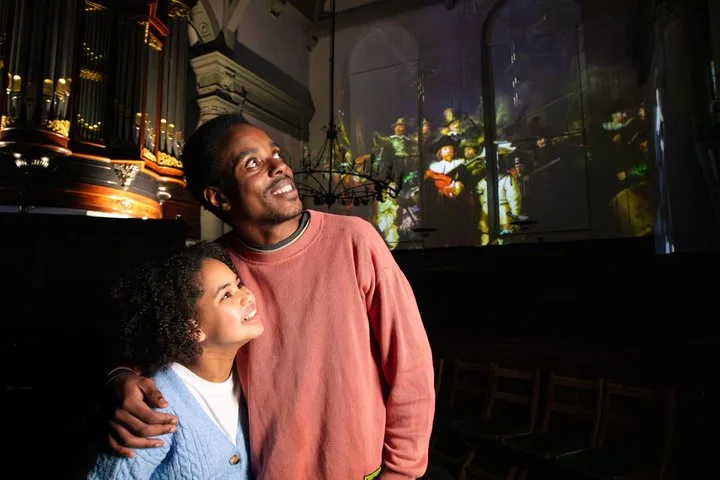
Van Gogh and Rembrandt Immersive Experience Amsterdam
Prepare for an immersive journey into the artistic mind of Vincent van Gogh and his profound admiration for Rembrandt at
Book on ViatorThe Hague Walking Tour
Discover why The Hague is called the City of Peace & Justice on a two-hour walking tour with a local guide. Rated 4.68 from 108 reviews, this tour covers government buildings, royal palaces, and the city's connection to international law. Tours are available in English and Dutch.
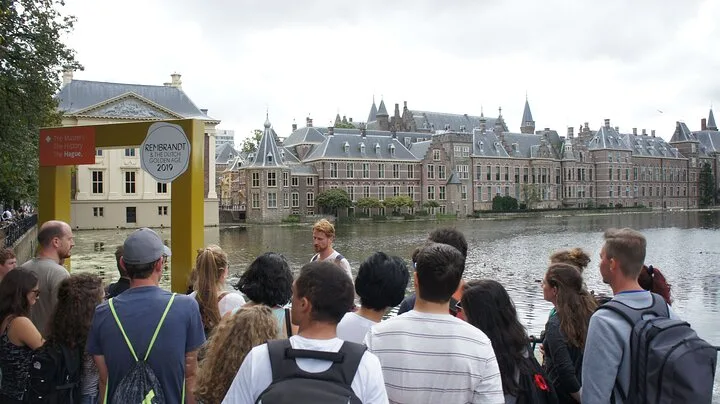
The Hague 2-Hour Walking Tour | Discover The City With A Local
Come along on a two-hour walking trip through the largest Dutch city by the North Sea! Find out why it’s called the City
Book on ViatorZaanse Schans Day Trip
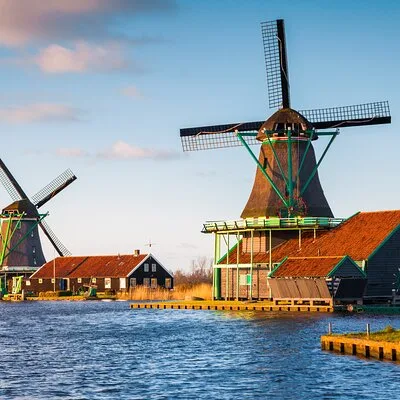
This 3.5-hour small-group tour from Amsterdam takes you to the Dutch countryside. You'll see working windmills, a clog maker demonstrating wooden shoe production, and a cheese farm with tastings. With 2,639 reviews and a 4.73 rating, it's one of the most popular day trips from Amsterdam.

Day Trip to Zaanse Schans, Edam, Volendam and Marken from Amsterdam
Discover the Best of the Dutch Countryside: Windmills, Cheese, Fishing Villages & Optional Canal Cruise Escape the city
Book on ViatorRotterdam, Delft, and The Hague Premium Day Tour
Combine three cities in one day with hotel pickup included. This premium tour covers Rotterdam's modern architecture, Delft's historic center and pottery, and The Hague's political landmarks. Perfect for visitors short on time who want to see beyond Amsterdam.
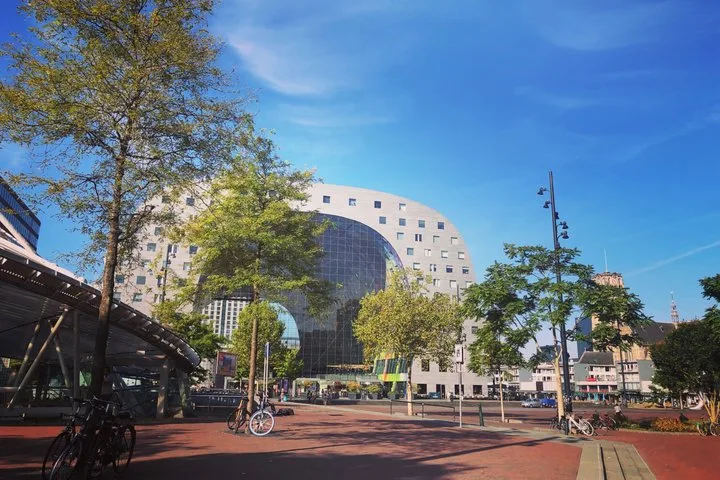
Rotterdam Delft and The Hague Premium Day Tour with Hotel Pickup
Discover the very best of the Netherlands in one perfectly balanced day, combining culture, history, and modern innovati
Book on ViatorFAQ
Question: What languages are spoken in Netherlands besides Dutch?
English is spoken fluently by over 90% of the population. Frisian is official in the province of Fryslân. German and French are common second languages. In cities, you'll hear Turkish, Arabic, and Moroccan Arabic.
Question: Do I need to speak Dutch to visit the Netherlands?
No. You can travel throughout the Netherlands using only English. Signs, menus, and public transport announcements are often bilingual. However, learning a few Dutch phrases is appreciated.
Question: Is the Netherlands safe for solo female travelers?
Yes. The Netherlands is very safe for solo female travelers. Violent crime is rare. Take standard precautions against pickpocketing in crowded areas. Women can walk alone at night in most city centers.
Question: When is the best time to visit the Netherlands on a budget?
Autumn (September to November) offers lower prices and fewer crowds. Hotel rates drop 30-50% from summer peaks. Weather remains pleasant in September. Winter (December to February) is also cheap but cold.
Question: How much does public transport cost in the Netherlands in 2026?
Single fares in major cities start at €4. Day passes range from €7-€9.50. Train fares vary by distance from €3.50 to over €70. A 6.5% price increase applies for
- Use the OVpay system to check in with your debit card.
Question: Do I need a visa or ETIAS for the Netherlands in 2026?
Visa-exempt nationals will need ETIAS authorization by mid-2026. The Entry/Exit System (EES) is fully operational since April
- Check your nationality requirements before booking travel.
Some links below are affiliate links — we may earn a commission at no extra cost to you, which helps keep our guides free.