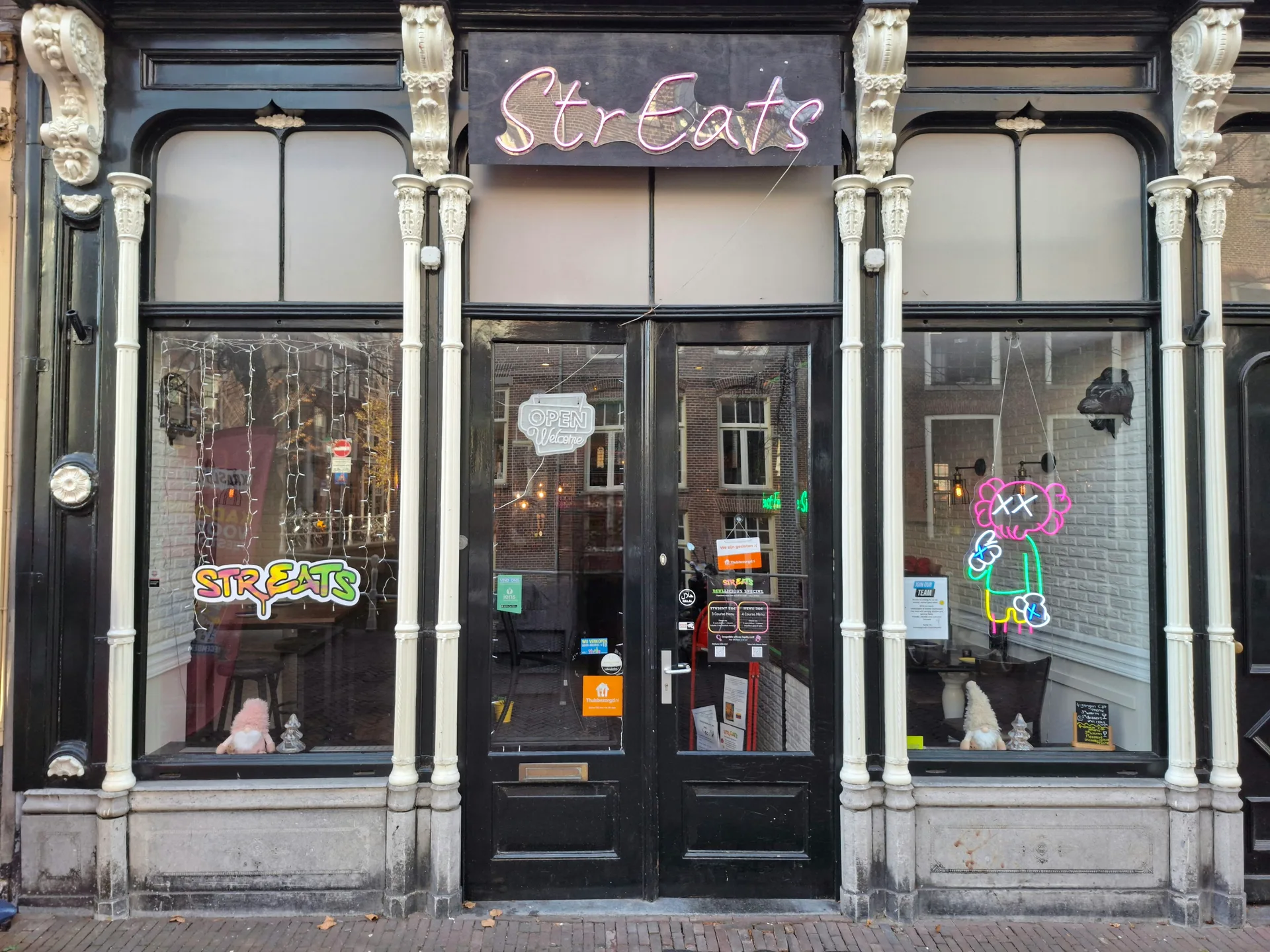
Delft, with its iconic canals, historic market square, and world-famous blue pottery, invites you to step into a postcard-perfect Dutch city. But beyond the beautiful sights, how do you navigate this pleasant destination like a local? This guide unpacks the essentials for a seamless and enriching trip, from when to visit and how to get around, to managing your budget and understanding local customs. Let's make your Delft adventure practical and profoundly enjoyable.
Best Time to Visit Delft
Timing your visit to Delft can significantly enhance your experience. Each season offers a different character, but some periods are undeniably more popular and livelier.
Spring (April-May): This is arguably the most photogenic time to visit. The famous Dutch tulip fields are in bloom nearby, and Delft itself comes alive with budding trees and pleasant temperatures averaging 10-15°C (50-59°F). The city isn't as crowded as in summer, making it ideal for exploring.
Summer (June-August): Expect warmer weather, often around 20-25°C (68-77°F), and longer daylight hours. This is peak tourist season, meaning more crowds, higher accommodation prices, and a busy atmosphere with many outdoor events. Terraces along the canals are busy.
Autumn (September-October): The crowds begin to thin, and the city takes on beautiful golden hues. Temperatures are mild, typically 10-15°C (50-59°F), perfect for leisurely strolls. You might catch some local harvest festivals.
Winter (November-March): Delft in winter is quieter and can be quite distinctive, especially if there's snow. Temperatures hover around 0-5°C (32-41°F). While some outdoor activities might be limited, you can enjoy cozy cafés and festive markets around Christmas.
Delftse Lichtjesavond (Delft Light Evening)
When: Mid-December
Experience Delft's market square illuminated by thousands of fairy lights and a magnificent Christmas tree. Enjoy festive music, market stalls, and a truly distinctive atmosphere.
How to Get to Delft
Getting to Delft is straightforward thanks to the Netherlands' excellent public transport network.
By Air: The closest major international airport is Amsterdam Airport Schiphol (AMS). From Schiphol, you can take a direct train to Delft. The journey typically takes about 45-50 minutes. You'll arrive at Delft Central Station, which is conveniently located right at the edge of the historic city center.
By Train: The Dutch railway system (NS) is efficient and well-connected. Delft is easily reachable by train from most major Dutch cities:
* From Amsterdam: Approximately 45-50 minutes.
* From Rotterdam: A quick 10-15 minute ride.
* From The Hague: Just 10 minutes.
You can purchase train tickets at the station from yellow ticket machines or the service desk. For convenience, consider an anonymous OV-chipkaart (public transport chip card) if you plan extensive travel within the Netherlands.
By Car: While possible, driving into Delft's city center isn't recommended. The historic core is largely pedestrianized or restricted for vehicles. If you do drive, look for parking garages outside the immediate center, such as Phoenixgarage or Zuidpoortgarage, and walk from there.
Getting Around Delft
Delft is a compact city, making it incredibly easy and enjoyable to explore.
Walking: This is by far the best way to experience Delft. The pleasant canals, narrow streets, and historic buildings are best appreciated on foot. Most major attractions are within a 15-minute walk of each other.
Cycling: You're in the Netherlands, so cycling is a natural choice! Many locals commute by bike, and you'll find numerous bike rental shops throughout the city. It's a fantastic way to cover more ground and truly feel like a local. Just be mindful of pedestrians and follow traffic rules.
Public Transport: Delft has a good network of local buses operated by HTM and EBS. These are useful if you're staying outside the city center or want to visit attractions further afield, like the Royal Delft factory. You can use an anonymous OV-chipkaart or purchase a single-use ticket from the bus driver. Google Maps is excellent for planning bus routes and checking real-time schedules.
Delft Budget Breakdown
Understanding the cost of a trip to Delft helps you plan effectively. Here's a general breakdown for 2026:
Accommodation:
* Budget (Hostels/Budget Hotels): €40-€80 per night
* Mid-range (3-star hotels/B&Bs): €90-€150 per night
* Luxury (4-5 star hotels/boutique stays): €160+ per night
Food & Drink:
* Inexpensive Meal (Lunch/Snack): €10-€20 per person. You can find delicious, affordable options like hearty sandwiches or street food.
* For a highly-rated, budget-friendly option, consider Bij Best. With a stellar 4.7/5 rating from 93 reviews, this all-day dining concept is famous for its creative grilled sandwiches, international breakfasts, and street food snacks. A "Best Deal" including a sandwich and small soup is just €3.95, while other items like Veggie Rendang Croquettes are €8.95. They even offer a popular terrace boat in the canals from April to October.
Some links on this page are affiliate links — we may earn a commission at no extra cost to you.
* Mid-range Dinner (3 courses for two): €60-€90. This is the average for a comfortable sit-down experience.
* Fine Dining: €100+ for two.
* Coffee/Tea: €3-€5
* Local Beer/Wine: €5-€8
Transportation:
* Train from Schiphol: ~€10-€15 one way.
* Local Bus Ticket: ~€2.50-€4 per ride, depending on distance.
* Bike Rental: €10-€15 per day.
Activities:
* Many of Delft's charms are free: walking the canals, exploring the market square, window shopping.
* Museums/Attractions: €10-€20 per entry (e.g., Nieuwe Kerk, Oude Kerk, Vermeer Centrum).
Delft's Neighborhoods Explored
Delft's core is quite navigable, but understanding its main areas can help you decide where to focus your exploration or find a place to stay.
Historic Center
The heart of Delft with canals, churches, and market square.
Hofkwartier
Pleasant area behind the New Church, full of narrow streets and artisan shops.
Voorstraat & Oude Delft
Photogenic streets along the oldest canal, lined with historic buildings.
Westerkwartier
Residential area west of the center, quieter but still walkable.
The Historic Center: This is where you'll spend most of your time. It encompasses the Markt (market square) with the Nieuwe Kerk (New Church) and Stadhuis (City Hall), and extends to the Oude Kerk (Old Church) and the Prinsenhof Museum. Here you'll find a concentration of shops, cafés, and restaurants. For a taste of traditional Dutch cuisine in a mid-range setting, Spijshuis de Dis Restaurant is a fantastic choice, rated 4.5/5 from 617 reviews. They focus on artisanal dishes using fresh, local ingredients and offer both a fixed menu and seasonal specials. Expect prices in the €60-€90 range per person for a full meal.
Hofkwartier: Just behind the Nieuwe Kerk, this pleasant quarter is characterized by its narrow, winding streets and historic courtyards. It's home to independent boutiques, art galleries, and some cozy eateries. It's a quieter area to wander and see unique finds. If you're looking for something different, Restaurant Maharaja Delft, with a 4.1/5 rating from 102 reviews, offers authentic Indian and Nepalese dishes just a minute's walk from the New Church. Main dishes average around €30, and you can specify your preferred spice level.
Voorstraat & Oude Delft: These streets run along the Oude Delft canal, one of the most scenic waterways in the city. You'll see beautiful patrician houses, some now B&Bs or small hotels. It's a lovely area for a peaceful walk, offering stunning photo opportunities.
Safety Tips for Travelers
Delft is a very safe city, but like any travel destination, it pays to be aware of your surroundings.
- Pickpocketing: In crowded areas, especially the market square or on busy public transport, be mindful of your belongings. Keep wallets in front pockets and bags secured.
- Cycling Safety: If you rent a bike, be aware of other cyclists and pedestrians. Use hand signals and don't cycle on sidewalks.
- Canals: Be cautious near the canals, especially at night or after a few drinks, as there are often no railings.
- Emergency Numbers: For police, fire, or ambulance, dial 112.
Packing List for Delft
Packing smart ensures you're comfortable no matter the Dutch weather!
- Layers: The weather can be unpredictable. Pack layers you can easily add or remove.
- Comfortable Walking Shoes: You'll be doing a lot of walking on cobblestone streets.
- Waterproof Jacket/Umbrella: Rain showers can pop up unexpectedly.
- Adapter: The Netherlands uses Type F (Schuko) sockets, common in Europe.
- Reusable Water Bottle: Stay hydrated and reduce plastic waste.
- Small Daypack: For carrying essentials like a camera, water, and souvenirs.
- Scarf: Useful in any season for warmth or style.
- Portable Power Bank: Keep your phone charged for navigation and photos.
Local Customs and Etiquette
Embracing local customs can make your trip even more enjoyable and respectful.
- Greetings: A simple "Hallo" (hello) or
"Goedendag" (good day) is polite. Handshakes are common for introductions.
* Punctuality: Dutch people value punctuality, especially for appointments or dinner reservations.
* Directness: The Dutch are known for their direct communication style. It's not considered rude; it's simply efficient. Don't be offended if someone is very frank.
* Tipping: Tipping in restaurants and cafés isn't mandatory but appreciated for good service. A common practice is to round up the bill or leave 5-10%. For taxis, rounding up to the nearest euro is typical.
* Cycling Etiquette: Cyclists have priority in many areas. Be mindful of bike lanes and don't walk in them. If you're cycling, signal your turns.
* Queueing: People generally queue in an orderly fashion.
* Sustainability: The Netherlands is very environmentally conscious. You'll find recycling bins and an emphasis on reducing waste.
Quick Facts: Delft, Netherlands
- Currency: Euro (€)
- Language: Dutch, English widely spoken
- Time Zone: Central European Time (CET), UTC+1
- Plug Type: Type F (two round pins)
- Drinking Water: Safe to drink from the tap
Practical Tips
Here are some actionable tips to ensure your Delft trip goes smoothly:
- Book Accommodation in Advance: Especially during peak season (summer and spring), popular hotels and B&Bs in Delft fill up quickly. Booking a few months ahead will secure better rates and more choice.
- Utilize Google Maps: It's indispensable for navigating walking routes, public transport schedules, and finding nearby restaurants or attractions. Download an offline map of Delft for areas with spotty reception.
- Learn a Few Dutch Phrases: While English is widely spoken, especially by younger generations and in tourist-facing businesses, learning basic phrases like "Dank u wel" (thank you very much) or "Alstublieft" (please/you're welcome) will be appreciated.
- Carry Cash (and Card): While card payments are prevalent, it's always good to have some euros on hand for smaller purchases, market stalls, or places that might only accept local debit cards ("pinpas").
- Check Opening Hours: Always double-check the opening hours for museums, shops, and restaurants, especially if visiting on a Sunday or a public holiday. Many businesses, even in the city center, may have reduced hours or be closed.
- Embrace the Weather: Don't let a little rain deter you. Pack appropriate gear and enjoy Delft's character even on a cloudy day. There are plenty of cozy cafes and indoor attractions to explore.
- Rent a Bike: Even if you're not an avid cyclist, renting a bike for a day can be a truly Dutch experience. It allows you to explore beyond the immediate city center, perhaps to the outskirts or even to nearby towns if you're feeling adventurous.
- Visit a Market: The Delft Market on Thursdays and Saturdays (and a smaller antique/flea market on Saturdays) is a fantastic way to experience local life, pick up fresh produce, or find unique souvenirs.
- Stay Hydrated and Take Breaks: Exploring can be tiring. Pop into one of Delft's many pleasant cafés for a coffee or a stroopwafel and people-watch.
FAQ
Is Delft a walkable city?
Absolutely! Delft is very compact, and its historic center is largely pedestrianized. Most major attractions are within a 15-minute walk of each other, making walking the ideal way to explore.
What's the best way to get from Amsterdam Schiphol Airport to Delft?
The most efficient way is by train. There are direct train connections from Schiphol Airport to Delft Central Station, taking approximately 45-50 minutes.
Do I need to carry cash in Delft?
While card payments are widely accepted, especially in larger establishments, it's a good idea to carry some cash for smaller purchases, market stalls, or in case a smaller shop only accepts local debit cards.
What are typical dining costs in Delft for 2026?
An inexpensive meal for one typically ranges from €10-€20. For a three-course dinner for two at a mid-range restaurant, expect to pay around €60-€90, reflecting a projected 4% increase in hospitality prices for 2026.
Are restaurants in Delft open on Sundays?
Many restaurants in Delft, particularly those in the city center, are open on Sundays. But specific opening hours vary by establishment, so it's always best to check directly with the restaurant beforehand.
Is it safe to cycle in Delft?
Yes, cycling is generally safe and a popular way to get around. Here's the catch: be aware of other cyclists and pedestrians, use hand signals, and always lock your bike securely when leaving it unattended.