

Amsterdam's shopping scene is easy to misread. Tourists flock to the Damrak's cheese shops and canal-side souvenir stores, then leave with the same wooden tulips as everyone else. But peel back a few layers and you'll find a city of obsessive collectors, vintage curators, and makers who refuse to mass-produce.
This guide skips the obvious and takes you to the places where Amsterdam's shopping culture actually lives — the floating flower markets, the repurposed industrial halls, the boutiques tucked into canal-house basements. Expect real prices, honest comparisons, and the kind of finds you won't see in every other suitcase.
The Jordaan's Independent Boutiques: Shopping Like a Local
The Jordaan was once a working-class neighborhood, then an artist enclave, and now it's Amsterdam's most charming shopping district — without the tourist crush of the Nine Streets. Here, independent owners run shops that have survived for decades by selling things you can't find anywhere else.
Start on Westerstraat, where the Saturday flea market (open 9 AM to 4 PM) spills vintage clothing, antique ceramics, and second-hand bicycles onto the street. Vendors set up by 8:30 AM, and the best furniture pieces go fast. Bring cash — many stalls don't take cards.
Just off the market, De Looier Antiekmarkt (open daily 11 AM to 5 PM, free entry) occupies a former warehouse on Elandsgracht. It's a warren of 50+ dealers selling Art Deco lamps, Delftware, and mid-century Dutch design. Prices start around €15 for small trinkets and climb into the thousands for museum-quality pieces. Reviewers consistently note that haggling is acceptable here — start at 70% of the asking price and negotiate from there.
For something truly unexpected, wander down Runstraat and Wolvenstraat, where you'll find shops selling hand-stitched leather goods, avant-garde jewelry, and Dutch-designed homeware that never makes it to export. These aren't chain stores; most are single-location operations run by the designers themselves.
The Floating Flower Market: A Centuries-Old Tradition
The Bloemenmarkt on Singel canal is the world's only floating flower market, and it's been operating since 1862. The stalls sit on permanently moored barges, a tradition dating back to when growers shipped flowers into the city by boat.
Yes, it's touristy. But it's also genuinely unique. The market runs daily from 9 AM to 5:30 PM, and the real finds aren't the cut tulips — it's the flower bulbs. Look for the sealed, certified bulbs that are legal to export to the US and other countries. A bag of 10 tulip bulbs costs around €5-8, and they're pre-treated to avoid carrying plant diseases.
The best time to visit is early morning, before the tour groups arrive. By 11 AM, the narrow walkway gets crowded, and stall owners get rushed. If you're buying bulbs, ask for the varieties that bloom in spring — the "lazy" bulbs that bloom immediately are less impressive in your garden back home.
The Concept Stores of De Pijp
De Pijp, Amsterdam's former working-class quarter turned foodie haven, has become a hub for concept stores that blur the line between gallery, boutique, and living room. These shops curate objects with a point of view — you won't find generic souvenirs here.
The neighborhood's anchor is the Albert Cuypmarkt, which runs daily (except Sunday) from 9 AM to 5 PM. It's Amsterdam's largest street market, but the unique shopping experiences are in the side streets. Wander down Ferdinand Bolstraat and Van Woustraat to find stores selling hand-thrown ceramics, sustainable fashion, and Dutch-designed stationery.
One standout is the cluster of vintage and second-hand stores around Sarphatipark. These aren't curated vintage boutiques — they're genuine thrift stores where Amsterdam's stylish set hunt for bargains. Prices are remarkably low: a wool coat might cost €25-40, and vintage Levi's run €30-50. The stock changes daily, so there's no point planning a specific purchase. Just show up and dig.
For tickets and what the tour includes, see our Heineken Experience guide.
The 420 Culture: A Unique Amsterdam Shopping Niche
Amsterdam's coffee shop culture is part of what makes the city unique, and the shopping experience around it is equally distinctive. While cannabis itself isn't sold in traditional retail settings, the paraphernalia, accessories, and lifestyle products around it create a niche shopping scene you won't find elsewhere.
The area around Rokin and Dam Square has several shops selling high-end smoking accessories, from hand-blown glass pieces to designer grinders. These aren't tacky head shops — they're design-forward stores that treat smoking accessories like luxury goods. Prices range from €20 for a simple pipe to €200+ for intricate glass pieces.
For the full experience, consider the 420 Official Smoking Boat Tour. This open-boat canal cruise allows you to bring your own supplies and enjoy them while floating past Amsterdam's historic canal houses. The tour costs approximately €27.50 and operates at sunset, when the city's lights reflect off the water. It's a BYO experience — you bring snacks, drinks, and your own 420 supplies.
The tour has received perfect ratings from early reviewers, who praise the relaxed atmosphere and the freedom to enjoy the city at your own pace. It's a genuinely unique way to experience Amsterdam's canals, and the open boat means you get unobstructed views of the architecture.
WONDR Experience: Shopping for Memories
The WONDR Experience isn't a store in the traditional sense, but it's one of Amsterdam's most unique retail-adjacent experiences. Located in the former NDSM shipyard in Amsterdam Noord, this interactive art space is designed around the idea of "playing" — with installations that encourage you to touch, climb, and photograph everything.
The current SpongeBob Special runs throughout 2026, transforming the space into an underwater world of interactive installations. It's pure Instagram fuel, but it's also genuinely fun — adults and kids alike report laughing until their stomachs hurt. Tickets cost €24-26 online for adults, and the experience takes about 1.5-2 hours to explore.
What makes this relevant to shopping? The gift shop. WONDR sells limited-edition merchandise, art prints, and SpongeBob-themed collectibles that you can't find anywhere else. It's the kind of place where you'll buy something you didn't know you needed — a neon sign, a custom-painted sneaker, a piece of interactive art for your wall.
Getting there is part of the experience: take the free ferry from behind Centraal Station to Amsterdam Noord, then walk 10 minutes to the NDSM wharf. The industrial setting — a former shipyard — adds to the atmosphere.

Amsterdam WONDR Experience with SpongeBob Special
When was the last time you did something for the first time? Or did you laugh so hard it gave you a stomach ache?
Book on ViatorThe Red Light District's Unexpected Museum Shops
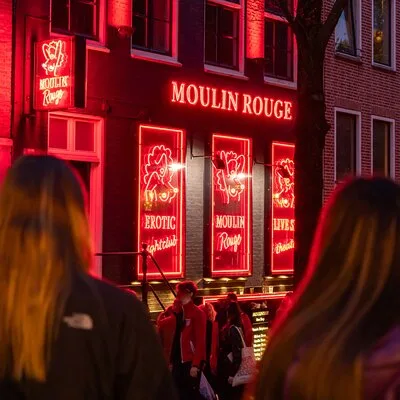
Amsterdam's Red Light District (De Wallen) is famous for its nightlife, but it also has a surprising shopping angle: the museums and cultural institutions that have opened there in recent years. These aren't the typical tourist shops — they offer educational merchandise and books you won't find elsewhere.
The Red Light Secrets Museum (open daily 10 AM to 11 PM, €12.50 for adults) tells the history of sex work in Amsterdam through exhibits and personal stories. Its gift shop sells books on the history of the district, documentaries on DVD, and thought-provoking souvenirs that spark conversation.
A walking tour is the best way to understand the district's shopping culture. The Amsterdam Red Light District Walking Tour (approximately €28-33) focuses on the area's history and culture. Note that guided tours through the heart of the district have been prohibited since 2020, so tours now walk the periphery or include museum visits to provide context.
Reviewers praise the knowledgeable guides who answer questions "one might be afraid to ask" and provide historical context that transforms how you see the neighborhood. The tour takes 1.5 hours and is available in English, German, Italian, Spanish, and French.
Amsterdam Red Light District Walking Tour in EN/DE/IT/ES/FR
Discover Amsterdam's famous red light district on a critical and informative 1.5-hour tour with an English, German…
Book on ViatorThe Nine Streets: Amsterdam's Most Photographed Shopping Area
The Nine Streets (Negen Straatjes) is a network of narrow lanes between the main canals — Singel, Herengracht, Keizersgracht, and Prinsengracht — that has become Amsterdam's most concentrated shopping district. It's not undiscovered, but it rewards those who explore beyond the main drags.
The area contains over 200 independent shops, and the key is knowing which streets to prioritize. Wolvenstraat has the best vintage clothing stores; Runstraat is where you'll find Dutch design and homeware; Berenstraat specializes in independent fashion designers; and Hartenstraat is home to quirky gift shops and stationery stores.
Prices vary wildly — you can find a €5 vintage scarf or a €500 designer dress within the same block. The best strategy is to wander without a plan and let the window displays guide you. Most shops open at 11 AM and close at 6 PM, and the area is pedestrian-friendly, making it easy to hop between canals.
Practical Tips
Getting around for shopping: Use the free IJ ferries to reach Amsterdam Noord's shopping spots, and consider a GVB day ticket (€9-10) if you're hopping between neighborhoods. Contactless payment works on all public transport — just tap your card or phone when you board and when you exit.
Best shopping days: Tuesday through Saturday are ideal. Many independent shops close on Monday, and Sunday sees shorter hours (usually 12 PM to 5 PM). Markets like Albert Cuyp and Westerstraat run daily except Sunday.
VAT refunds: Non-EU visitors can claim VAT refunds on purchases over €50 from participating stores. Keep your receipts and ask for the refund paperwork at the point of sale. You'll process the refund at the airport before departure.
2026 considerations: Hotel VAT increased to 21% in January 2026, and tourist tax is now 12.5% — factor this into your accommodation budget, not your shopping budget. From late 2026, visa-exempt travelers will need ETIAS authorization (€20, valid three years) for entry.
Packing strategy: Amsterdam's shopping is walkable, but you'll cover a lot of ground. Wear comfortable shoes and bring a foldable tote bag for purchases. Most shops don't provide free shopping bags.
FAQ
What are the best areas for unique shopping in Amsterdam?
The Jordaan, De Pijp, and the Nine Streets offer the highest concentration of independent boutiques. For markets, visit Albert Cuypmarkt (daily except Sunday) and Westerstraat (Saturdays). Each neighborhood has a distinct character — the Jordaan is vintage-heavy, De Pijp focuses on design, and the Nine Streets covers everything.
Are Amsterdam's markets cash-only?
Most market stalls accept cash and cards, but some smaller vendors prefer cash. Withdraw €50-100 before visiting the markets — you'll have more negotiating power and won't miss out on purchases from stalls without card readers.
Is the Bloemenmarkt worth visiting?
Yes, but go early. The floating flower market is genuinely unique — you can't find another one anywhere in the world. The best purchases are export-certified tulip bulbs (€5-8 for 10 bulbs) and dried flower arrangements. Arrive before 10 AM to avoid the crowds.
Can I claim VAT refunds on shopping in Amsterdam?
Non-EU visitors can claim VAT refunds on purchases over €50 from stores participating in the Tax Free Shopping scheme. Ask for the paperwork at the point of sale, keep your receipts, and process the refund at Schiphol Airport before departure. The refund typically amounts to 13-14% of the purchase price.
What's the deal with the 420 boat tour?
The 420 Official Smoking Boat Tour is a BYO canal cruise where you bring your own snacks, drinks, and smoking supplies. It costs approximately €27.50 and operates at sunset. Consuming cannabis on a private boat is legal in Amsterdam, making this a unique way to experience the canals.
How has the Red Light District tour ban affected visiting?
Guided tours through the heart of the Red Light District have been prohibited since 2020. Tours now walk the periphery or include museum visits like the Red Light Secrets Museum to provide context. You can still walk through the district freely as an individual, but group tours must stay on designated routes.
Some links below are affiliate links — we may earn a commission at no extra cost to you, which helps keep our guides free.