

Amsterdam has a reputation for many things, but serious vintage shopping is one of its quieter strengths. The city's compact layout means you can work through three or four distinct vintage districts in a single afternoon — and each one has its own personality, price point, and style of treasure.
This guide breaks down Amsterdam's best neighborhoods for vintage shopping by what they actually offer: the Nine Streets for curated mid-century and designer pieces, De Pijp for everyday secondhand and market finds, Oud-West for budget kilo sales, and Waterlooplein for the chaotic, dig-for-it experience. If you're building a shopping day around vintage, this is where to start.
De Negen Straatjes (The Nine Streets): Curated Vintage and Designer Resale
The Nine Streets is the compact grid of lanes connecting the main canals between Raadhuisstraat and Leidsegracht. It's the most polished vintage district in Amsterdam, and that polish comes with a price tag.
What you'll find here leans toward curated: 1970s leather jackets, Dutch-designed knitwear, silk scarves, and mid-century homeware. Several shops specialize in designer resale — think Scandinavian labels and Dutch designers rather than fast-fashion castoffs. Prices typically run €40–€150 for a jacket and €25–€80 for a dress, so this isn't a bargain-hunting neighborhood. It's a quality-hunting one.
The appeal is density. You can walk the whole grid in about 45 minutes and hit a dozen shops without ever getting on a tram. Come on a weekday morning if you want browsing room, because the narrow lanes get genuinely crowded on Saturdays.
Because the Nine Streets sit right in the canal ring, it's easy to combine vintage browsing with the city's broader history. If you want context on what you're walking through, Absolutely Amsterdam - the Essential Introductory Walking Tour covers the canal belt and city center with a local guide; recent reviewers consistently praise the guides for making the history engaging rather than dry.
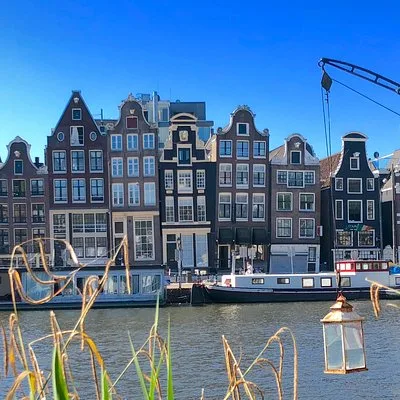
Absolutely Amsterdam - the Essential Introductory Walking Tour
Join us for a fun, thought-provoking, and genuinely local experience through the heart of Amsterdam, and discover…
Book on ViatorDe Pijp: Everyday Vintage and the Albert Cuyp Market
De Pijp is where vintage shopping in Amsterdam feels less like a curated boutique crawl and more like a normal neighborhood habit. The district runs south from the canal ring, anchored by the Albert Cuyp Market — the city's largest street market, open Monday to Saturday.
The market itself is mostly food and household goods, but the surrounding streets (especially along and just off Albert Cuypstraat, plus the Ferdinand Bolstraat area) hold a steady spread of secondhand and vintage shops. Prices here are noticeably softer than the Nine Streets: expect €15–€45 for shirts and knitwear, and occasional genuine steals on Dutch denim and workwear.
De Pijp also has the highest concentration of vintage shops that mix eras rather than specializing, which makes it good for people who don't know exactly what they're looking for. Dig through a €10 rack and you might come out with a 1980s windbreaker or a properly made wool coat.
One practical note for 2026: Amsterdam tightened short-stay rental rules on April 1, 2026, cutting the maximum annual Airbnb nights in De Pijp and the city center from 30 to
- If you're basing yourself here specifically to shop, book conventional accommodation early — hotel stays now carry roughly 33.5% in combined tourist taxes.
- Best for designer resale: De Negen Straatjes (Nine Streets)
- Best for everyday vintage: De Pijp
- Best for budget kilo sales: Oud-West
- Best for flea market digging: Waterlooplein
- Typical price range: €5–€25 (markets and kilo) to €40–€150 (curated boutiques)
- Market days: Monday–Saturday for Albert Cuyp and Waterlooplein
Oud-West: Kilo Sales and Budget Secondhand
If your priority is volume over curation, head to Oud-West. The streets around Kinkerstraat and the Ten Katemarkt area are home to Amsterdam's best kilo sales — shops where you pay by weight rather than per item.
Kilo pricing typically runs €15–€25 per kilogram, which means a couple of lightweight dresses or a stack of t-shirts can cost less than €20 total. It's the cheapest way to build a vintage wardrobe in the city, but it demands patience. Racks are dense, sizing is inconsistent, and the good stuff gets picked over fast. Go on a weekday if you can.
Oud-West is also where you'll find a lot of general secondhand clothing rather than strictly "vintage" — useful for basics, less useful if you're hunting a specific decade. The neighborhood has a more local, residential feel than the center, and the food options around Ten Katemarkt are excellent and cheap.
To get here, a GVB day ticket (€10 for 24 hours) covers trams and buses across the city, which is worth it if you're planning to hit multiple vintage districts in one day.
Waterlooplein: The Flea Market Experience
Waterlooplein Market is Amsterdam's oldest flea market and the most chaotic vintage stop in the city. It runs Monday to Saturday, roughly 9:30 to 18:00, near the Stopera and the Jewish Historical Museum.
This is not a curated experience. Stalls sell a mix of genuine vintage, military surplus, old Dutch household goods, leather bags, and outright junk. You need to dig, and you need to be comfortable with that. Prices are negotiable, especially on bundled items and toward the end of the day.
The upside is range and unpredictability. Waterlooplein is the best single place in Amsterdam to find vintage accessories — belts, brooches, leather satchels, and old Dutch enamelware — often for €5–€20. It's also the most authentic "flea market" atmosphere you'll get inside the canal ring.
Because it sits at the edge of the old Jewish quarter and the Red Light District, it's easy to fold into a broader walking day. If you want the history of the surrounding streets explained properly, the multilingual Amsterdam Red Light District Walking Tour runs in English, German, Italian, Spanish, and French; reviewers often note the guides handle difficult subjects thoughtfully and answer questions candidly.
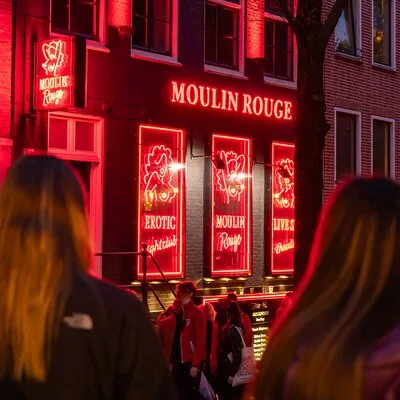
Amsterdam Red Light District Walking Tour in EN/DE/IT/ES/FR
Discover Amsterdam's famous red light district on a critical and informative 1.5-hour tour with an English, German…
Book on ViatorThe Red Light District and Nieuwmarkt Edge: Unexpected Finds
The streets around Nieuwmarkt, Zeedijk, and the edge of De Wallen hold a scattering of vintage and secondhand shops that most shopping guides skip. It's not a dedicated vintage district, but the density of small independent stores means you'll stumble onto things.
Two 2026 changes matter here. Guided tours in De Wallen are now restricted and can no longer stop at or pass the prostitution windows, and public drinking and cannabis smoking on the streets are banned. If you're combining shopping with a district tour, expect routes that stay on the periphery.
For a deeper look at this part of town, the Amsterdam Red Light District and Coffee Shop Tour covers De Wallen, Zeedijk, and Chinatown with a local guide. Recent visitors describe it as informative and well-paced for small groups.
Jordaan: Small Shops and Slow Browsing
The Jordaan, west of the canal ring, is less of a vintage destination than a browsing neighborhood — but the browsing is very good. Small independent shops line the streets around Elandsgracht and the Noordermarkt area, mixing vintage clothing with antiques, prints, and Dutch design.
Prices sit between De Pijp and the Nine Streets. You'll find fewer dedicated vintage stores and more shops that carry a curated handful of vintage pieces alongside new stock. The Noordermarkt on Saturdays adds an organic farmers' market plus a flea and antiques section, which is worth timing a visit around.
The Jordaan rewards slow walking. Budget two hours, plan a coffee stop, and don't expect to fill a suitcase — expect to find one or two things you actually love.
If you'd rather pair the neighborhood with food, the Amsterdam Private Food & Drinks Tour by UNESCO Canals & Jordaan combines the area's canals with local tastings; reviewers rate it highly for small groups.
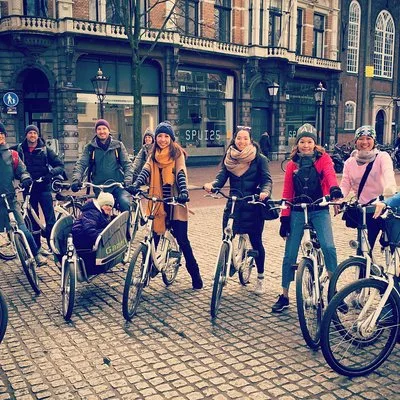
Guided Bike Tour of Amsterdam's Highlights & Hidden Gems
Small Group Bike Tour! We are proud to have Amsterdam's smallest groups!
Book on ViatorPractical Tips for Vintage Shopping in Amsterdam
Quick reference
Where to Refuel Between Shops
Vintage shopping burns energy, and Amsterdam's food scene is a genuine part of the day rather than an afterthought. De Pijp and Oud-West both have strong, affordable lunch options around their markets.
If you want the food itself to be the focus, the Amsterdam Food and Cultural Tour with 10 Tastings has an exceptional 5.0 rating across more than 6,200 reviews, and it's a good way to taste classic Dutch options in one go. For a smaller-group alternative that pairs tastings with canal-side neighborhoods, the Amsterdam Food Tour: Authentic Dutch Tastings, Canals & Culture runs off the main tourist track; reviewers note it accommodates vegetarian and gluten-free diets on request.
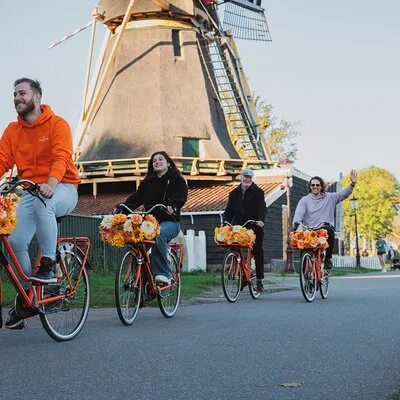
Amsterdam Cheese, Windmill & Countryside Bike Tour /E-bike Option
Leave the city behind and enjoy a beautiful 3-hour guided bike tour through the serene Dutch countryside.
Book on ViatorFAQ
Which Amsterdam neighborhood is best for vintage shopping on a budget?
Oud-West, specifically the kilo sale shops around Kinkerstraat and Ten Katemarkt, is the cheapest option at roughly €15–€25 per kilogram. Waterlooplein Market is the next best for low-cost accessories and one-off finds.
Is the Nine Streets good for vintage or just for boutiques?
It's genuinely good for vintage, but it's curated vintage — designer resale, mid-century pieces, and quality knitwear. Expect €40–€150 for a jacket. If you want cheap, go to De Pijp or Oud-West instead.
When is the best day to shop vintage in Amsterdam?
Tuesday to Friday. Markets like Albert Cuyp and Waterlooplein are open Monday to Saturday, and weekday mornings give you space to browse. Saturdays are busiest, and many individual vintage shops close on Sundays or Mondays.
How much should I budget for a vintage shopping day in Amsterdam?
A realistic range is €30–€80 if you're shopping markets and kilo sales, or €100–€250 if you're buying from curated boutiques in the Nine Streets or Jordaan. Add €10 for a GVB day ticket if you're covering multiple districts.
Do Amsterdam vintage shops take cash?
Most take card, and the city is increasingly cashless — museums and many shops no longer accept notes. Some market stalls still prefer cash, so carrying €20–€30 in small notes is a sensible backup.
Can I combine vintage shopping with a walking tour?
Yes, and it works well. Introductory tours of the canal ring and city center pass through or near the Nine Streets and Jordaan, and Red Light District tours cover the Nieuwmarkt and Zeedijk edges. Book a morning tour, then shop the afternoon.
The Bottom Line
Amsterdam's best neighborhoods for vintage shopping each do one thing well: the Nine Streets for quality, De Pijp for volume and value, Oud-West for rock-bottom prices, and Waterlooplein for the thrill of the dig. Pick two districts per day rather than trying to cover all four — the city is walkable, but vintage shopping rewards unhurried browsing over box-ticking.
One final 2026 note: with hotel taxes now around 33.5% and short-stay rental limits tightened in the center and De Pijp, accommodation is the part of an Amsterdam vintage trip that needs booking furthest ahead. Sort that first, then build your shopping route around it.
Some links below are affiliate links — we may earn a commission at no extra cost to you, which helps keep our guides free.