

Amsterdam's market scene is having a moment. While the Albert Cuypstraat grabs the headlines and the floating flower market draws the selfie sticks, the city's real market culture lives in neighborhood squares, converted schoolyards, and canal-side quays where Amsterdammers actually do their weekly shopping.
The difference matters. Tourist-heavy markets in the city center often sell the same wooden tulips and "I Amsterdam" fridge magnets. The markets in this guide sell cheese from family farms, second-hand designer clothes, organic produce from Dutch greenhouses, and antiques that tell stories. You'll pay less, eat better, and actually brush shoulders with locals.
Here's where to go, what to buy, and how to make the most of Amsterdam's authentic market scene in 2026.
Why Skip the Obvious Markets
The Albert Cuypmarkt in De Pijp is fine—it's Europe's largest daily street market, after all. But it's also become a stop on every tour bus route, with prices creeping up and stalls catering to tourists. The Bloemenmarkt, Amsterdam's famous floating flower market, is now mostly souvenir shops selling wooden tulips and canal-house ornaments.
That doesn't mean these markets are worthless. It means you should go with adjusted expectations. The Albert Cuyp still has excellent herring stands and stroopwafel vendors. The Bloemenmarkt still sells genuine Dutch flower bulbs you can legally take home.
But if you want the real thing, the markets below deliver.
Noordermarkt: The Organic Heart of the Jordaan
Saturday mornings in the Jordaan belong to the Noordermarkt. This square, anchored by the striking Noorderkerk church, transforms into Amsterdam's best organic farmers' market from 9:00 AM to 4:00 PM.
You'll find Dutch cheeses from small producers, fresh bread from neighborhood bakeries, organic vegetables, flowers, and prepared foods from around the world. The atmosphere is genuinely local—families with cargo bikes, elderly couples doing their weekly shop, and food vendors calling out samples.
The real draw here is the food. Grab a fresh stroopwafel made while you watch, or try a "bitterbal" from one of the prepared-food stalls. The market also hosts a vintage and antique section on Monday mornings, which draws serious collectors.
Reviewers consistently note that Noordermarkt feels like a neighborhood event rather than a tourist attraction. It's busy, but the crowd is mostly Dutch. Come early for the best selection, especially if you want produce before it sells out.
Ten Katemarkt: The Multi-Cultural Workhorse
Tucked between the Jordaan and the increasingly trendy Oud-West neighborhood, Ten Katemarkt runs six days a week (closed Sundays) and feels like Amsterdam's hidden workhorse market. It's smaller than Albert Cuyp—about 20 stalls—but the mix is fascinating.
This is where Amsterdam's multicultural population actually shops. You'll find Surinamese spices, Turkish olives, Moroccan couscous, and Middle Eastern sweets alongside standard Dutch produce and flowers. The market hall at one end houses specialty food shops, including an excellent cheese shop and a butcher.
Prices here run noticeably lower than at tourist-oriented markets. A kilo of fresh strawberries, a bag of mixed olives, and a warm loaf of bread will set you back less than €10. It's the perfect spot to assemble a picnic before heading to nearby Vondelpark.
Recent visitors describe Ten Katemarkt as "genuine" and "unpretentious"—words you rarely hear about Amsterdam's more famous markets. If you want to taste the city's diversity through its food stalls, this is the place.
Dappermarkt: Amsterdam's Most Authentic Neighborhood Market
Head east of the city center to Amsterdam-Oost, and you'll find Dappermarkt, the city's busiest daily market by footfall. Running Monday through Saturday from 9:00 AM to 5:00 PM, this market serves the working-class Dapperbuurt neighborhood with a no-frills selection of goods.
This is not a market for artisanal cheese and Instagram-worthy produce. Dappermarkt is about fabrics, household goods, phone accessories, fresh fish, and cheap clothing. It's raw, chaotic, and utterly authentic. The fish stalls are particularly good—locals come here for fresh herring and smoked eel.
The surrounding neighborhood has undergone significant change in recent years, with new cafes and restaurants opening alongside long-standing Surinamese and Moroccan businesses. The market itself remains stubbornly traditional, which is exactly why it's worth visiting.
Reviewers note that Dappermarkt offers a glimpse of Amsterdam that most tourists never see. It's not glamorous, but it's real. Combine a visit with exploring the nearby Oostelijke Eilanden (Eastern Islands) for a full morning of off-the-beaten-path Amsterdam.
Waterlooplein Flea Market: Vintage, Antiques, and Urban Treasure Hunting
The Waterlooplein Flea Market has operated since 1885, making it Amsterdam's oldest flea market. It sits in the city center, near the Stopera (city hall and opera house), but it attracts a distinctly local crowd of vintage hunters and bargain seekers.
You'll find second-hand clothing, vintage bikes and parts, old records, books, antique furniture, and the occasional genuine treasure. The market runs Monday through Saturday from 9:30 AM to 6:00 PM, though some vendors pack up earlier on quiet days.
Prices require negotiation. Vendors expect haggling, and the opening ask is rarely the final price. Bring cash, as many independent vendors don't accept cards. And don't expect pristine condition—this is a genuine flea market, not a curated vintage boutique.
Recent visitors report that Waterlooplein rewards patience. The best finds often appear in the morning, but afternoon browsing can uncover items vendors are willing to sell at a discount rather than pack up.
De Hallen: The Food Hall That Got It Right
De Hallen isn't a traditional market, but this converted tram depot in Oud-West houses one of Amsterdam's best food halls. The massive brick building, originally built in 1902, now contains a cinema, hotel, library, and the Foodhallen—a covered market hall with dozens of food stalls.
The Foodhallen operates daily from 11:00 AM to late evening. You'll find gourmet burgers, Vietnamese street food, Dutch bitterballen, fresh oysters, craft beer, and international wine. It's busier and more polished than the neighborhood markets, but the quality is consistently excellent.
Unlike the tourist-heavy Foodhallen, the surrounding De Hallen complex draws a mostly local crowd. The building also hosts a weekend vintage market (usually Saturday and Sunday) in the central hall, featuring curated second-hand clothing and design objects.
Reviewers praise the variety and quality of the food stalls, though some note that prices run higher than at street markets. It's a great evening option when the daytime markets have closed.
A Food Tour Shortcut
If you want to taste Amsterdam's market food without navigating the stalls yourself, consider joining a guided food tour. The city has several excellent options that combine market visits with neighborhood exploration.
Amsterdam's Market Street Food Tour with Streat Bites earns a perfect 5.0 rating from 442 reviews. The tour focuses specifically on market food culture, taking you through Amsterdam's best street food spots. Reviewers highlight the guide's knowledge and the generous tastings—you'll leave full.
Alternatively, Amsterdam Food and Cultural Tour with 10 Tastings offers a broader experience. With a 5.0 rating from over 6,100 reviews, it's one of the city's most popular food tours. The 10 tastings include classic Dutch options and local specialties, with stops that often include market areas.
For a more intimate experience, Amsterdam Food Tour: Authentic Dutch Tastings, Canals & Culture keeps groups small and focuses on authentic Dutch food history. The 5.0 rating from 375 reviews reflects consistent quality.
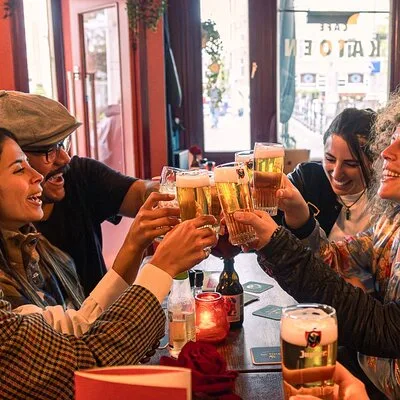
Amsterdam Food Tour: Authentic Dutch Tastings, Canals & Culture
Sherpa's Amsterdam food tour is a small-group walking tour that pairs authentic Dutch tastings with the city's culture…
Book on ViatorPractical Tips for Market Shopping in Amsterdam
Bring cash. While many larger vendors accept cards, smaller stalls—especially at Waterlooplein and Dappermarkt—prefer cash. ATMs are plentiful, but withdrawal fees add up.
Go early. Markets peak between 11:00 AM and 2:00 PM. Early visits (before 10:00 AM) mean better selection, fewer crowds, and vendors who are more willing to negotiate.
Learn basic Dutch phrases. "Hoeveel kost dit?" (How much is this?) and "Dank u wel" (Thank you) go a long way. Vendors appreciate the effort, and you'll often get better service.
Check opening days. Most markets close on Sundays. Noordermarkt runs Saturday and Monday (antiques). Ten Katemarkt closes Sundays. Dappermarkt runs Monday through Saturday. Waterlooplein runs Monday through Saturday.
Use public transport. Markets are clustered in neighborhoods with limited parking. Trams are the easiest way to reach them. The GVB network covers all market locations, with contactless payment (OVpay) working on all trams, buses, and metros.
Beyond the Markets: Exploring Amsterdam's Neighborhoods
Markets work best when combined with neighborhood exploration. After visiting Noordermarkt, wander the Jordaan's canal streets and stop at a brown café. After Dappermarkt, explore the up-and-coming Oost neighborhood with its new restaurants and bars. After the Foodhallen, browse the shops along Ten Katestraat.
If you want a guided introduction to these neighborhoods, consider a bike tour. Guided Bike Tour of Amsterdam's Highlights & Hidden Gems has a 4.9 rating from over 4,400 reviews. The small-group format (maximum 12 people) covers both famous sights and lesser-known corners, often including market areas.
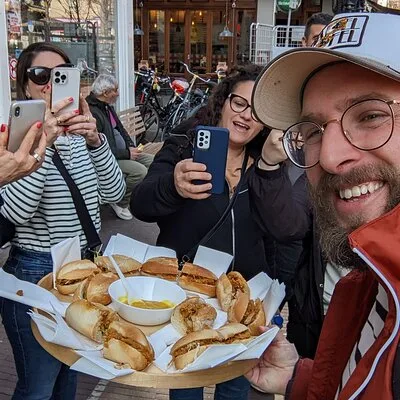
Amsterdam's Market Street Food Tour with Streat Bites
If food is the center of your trips abroad, you can kick back, put your feet up, and smile. You’re in for an adventure.
Book on ViatorThe Red Light District gets plenty of attention, but if you're curious about that area's history, Amsterdam Red Light District Walking Tour offers a critical, informative perspective. The 4.8 rating from 459 reviews reflects its quality, though note that since 2020, tours operate around the periphery rather than directly past the windows.
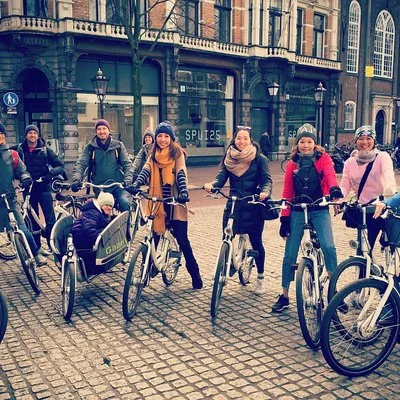
Guided Bike Tour of Amsterdam's Highlights & Hidden Gems
Small Group Bike Tour! We are proud to have Amsterdam's smallest groups!
Book on ViatorFAQ
What day is the Noordermarkt open?
Noordermarkt runs on Saturdays from 9:00 AM to 4:00 PM for the organic farmers' market. A separate vintage and antique market operates on Monday mornings.
Are Amsterdam markets open on Sundays?
Most street markets close on Sundays. The Foodhallen at De Hallen is open daily, including Sundays. Some flea markets and specialty markets may have Sunday hours, but it's best to check individual market schedules.
Can I pay by card at Amsterdam markets?
Larger vendors and food stalls increasingly accept cards, but many independent stalls at markets like Waterlooplein and Dappermarkt are cash-only. Bring cash to be safe.
Do I need to bargain at Amsterdam markets?
Bargaining is expected at flea markets like Waterlooplein, especially for antiques and second-hand goods. At food markets and produce stalls, prices are fixed.
What's the best time to visit Amsterdam markets?
Early morning (before 10:00 AM) offers the best selection and fewest crowds. Markets get busiest between 11:00 AM and 2:00 PM.
How do I get to these markets by public transport?
All markets are accessible by GVB trams. Noordermarkt: tram 17 or 13 to Westermarkt. Ten Katemarkt: tram 7 or 17 to Ten Katestraat. Dappermarkt: tram 14 to Dapperstraat. Waterlooplein: metro 51, 53, or 54 to Waterlooplein. De Hallen: tram 17 to De Hallen.
Some links below are affiliate links — we may earn a commission at no extra cost to you, which helps keep our guides free.