

Amsterdam is a city that refuses to cooperate with your packing list. One morning you'll get soft golden light over the Herengracht; by lunch, a sideways drizzle that soaks through supposedly waterproof shoes. The average weather in Amsterdam by month swings from frosty January mornings to balmy August evenings, and your suitcase needs to handle all of it.
The good news? Amsterdam's compact layout means you're never far from shelter. Cafés, museums, and canal boats offer refuge from whatever the sky throws at you. The trick is dressing in layers you can peel off or pile on as the day dictates.
This guide breaks down what to pack for every month, plus the activities that make sense in each season's typical conditions.
January – March: The Cold, Grey, Surprisingly Cozy Months
Average temperatures hover between 1°C and 9°C (34°F–48°F) from January through March. Frost is common in January and February, though canals rarely freeze solid enough for skating anymore. Rain falls on roughly half the days, often as a fine, persistent drizzle rather than heavy downpours.
What to pack: A warm, water-resistant coat is non-negotiable. Think wool or down with a DWR finish rather than a flimsy fashion jacket. Pack a thermal base layer, a mid-layer fleece or sweater, and a scarf that can double as a face shield against wind off the IJ. Waterproof boots with decent grip matter more than style here — cobblestones get treacherously slick.
Indoor spaces run warm, so you'll be shedding layers constantly. A lightweight sweater you can stuff in a tote works better than a bulky knit you'll regret carrying.
What to do: Museum season is in full swing, and the Rijksmuseum is the obvious anchor. Book your €25 timed ticket online before you arrive — walk-ups aren't possible. The Van Gogh Museum (€27) sits next door, and both are blissfully less crowded on grey weekday mornings. When the cold bites, the 17th-century canal houses on the Herengracht look their moody best from inside a heated canal cruise.
The Absolutely Amsterdam walking tour is a strong pick for a cold day — guides keep groups moving, so you won't freeze in place. Reviewers consistently praise the storytelling quality, and the tip-based model means you pay what the experience was worth. Bring cash for the guide.
April – May: Spring Bloom and Unpredictable Showers
April brings tulip season and temperatures that finally creep toward 10°C–17°C (50°F–63°F). May is genuinely pleasant, with longer days and more sunshine. But spring in Amsterdam is moody — you can get all four seasons in a single afternoon.
What to pack: This is the transition zone where layering becomes an art form. Pack a light rain jacket with a hood (not an umbrella — wind makes them useless), a few long-sleeve shirts, one warm sweater for chilly evenings, and jeans or trousers that dry quickly. A light scarf still earns its place in your bag.
Comfortable walking shoes are essential. The city's cycling culture means you'll walk more than you expect, and spring showers can appear without warning. Bring a small daypack for shed layers.
What to do: If you're visiting in April, the Keukenhof gardens are the headline act — but they're 40 minutes south of the city. For a closer option, the Zaanse Schans windmill village makes an excellent spring day trip. Note that from spring 2026, the heritage area requires a €17.50 entrance fee covering windmill interiors and the Zaans Museum. Before that change, the village was free to wander, so factor the new cost into your planning.
The Windmills of Zaanse Schans tour pairs the village with a Spanish-speaking guide, which makes it a good fit if you're more comfortable in Spanish than English. Reviewers note the guides' enthusiasm and the chance to see working windmills up close. Spring's longer daylight hours give you more time to explore the clogs and cheese workshops.
June – August: Peak Season, Warm Days, and Canal Boats
Summer brings the best — and busiest — weather. Temperatures range from 14°C to 22°C (57°F–72°F), with occasional heat waves pushing past 30°C (86°F). Rain is less frequent but still possible; July and August are actually the wettest months by volume, just with fewer rainy days.
What to pack: Light, breathable clothing for daytime, but always bring a layer for evening. Amsterdam's canals radiate cool air after sunset, and restaurant terraces get breezy. Pack shorts if you run warm, but most locals wear jeans year-round. A light rain jacket still earns its spot.
Comfortable sandals or breathable sneakers work for daytime. If you plan to cycle, pack closed-toe shoes — Amsterdam's bike culture is practical, not fashionable.
What to do: This is canal cruise season, and the options multiply. The Dutch Cheese & Drinks Guided Boat Tour is a standout — it's capped at 12 guests, which means actual conversation with your guide rather than a recorded spiel. Reviewers rave about the unlimited drinks and Gouda pairings, and the small boat accesses narrow canals bigger vessels can't reach.
At €16–€27 depending on the operator and time, it's competitive with standard cruises but delivers a more personal experience. Book ahead — summer slots fill quickly, and the all-inclusive format makes it popular with families and couples alike.
For a different summer angle, the Amsterdam Canal Cruise With Live Guide and Unlimited Drinks (from €34.61) offers an open-boat experience that's perfect for warm evenings. The open design means you're fully exposed to the elements — glorious on a still July night, less fun in a sudden downpour. Check the forecast before booking.
September – November: Golden Autumn and Indoor Retreats
September is arguably Amsterdam's best month — warm enough for terraces, with summer crowds thinning. October brings crisp air and spectacular canal-side foliage. November turns grey and damp, with temperatures dropping to 4°C–10°C (39°F–50°F) and darkness arriving by 5 PM.
What to pack: A solid mid-weight coat with a hood, warm sweaters, and waterproof footwear. This is the season where a packable down jacket shines — you'll want it for chilly boat rides and evening walks but won't need it indoors. Bring a warm hat and gloves for November, when wind chill makes short walks feel much colder.
What to do: The Red Light District walking tour is a fascinating indoor-outdoor hybrid that works well in autumn. It's a critical, informative 1.5-hour walk that examines the realities of sex work in Amsterdam rather than sensationalizing it. Guides are available in English, German, Italian, Spanish, or French — a rare multilingual option.
Reviewers consistently praise the guides' expertise and the respectful approach to a sensitive subject. Prices range from €10–€26 depending on the operator and language. Evening tours add a different dimension, but be prepared for cooler temperatures and bring that warm layer.
December: Festive Lights and Winter Chill
December temperatures hover around 2°C–7°C (36°F–45°F), with the shortest days of the year. The Amsterdam Light Festival (running through January) transforms the canals into an open-air art gallery, making evening walks — bundled up — genuinely magical.
What to pack: Your January packing list applies here: warm coat, thermal layers, waterproof boots, hat, gloves, scarf. The cold is damp and penetrating, so invest in proper winter gear rather than fashion pieces. Indoor spaces are warm, so the layer strategy matters even more.
What to do: The Food Tour Amsterdam is a smart pick for December — you'll warm up with Dutch specialties like bitterballen, stroopwafels, and herring while learning the city's culinary history. It's a newer tour with fewer reviews, but the format works brilliantly in winter: short walking segments broken up by warm indoor tastings.
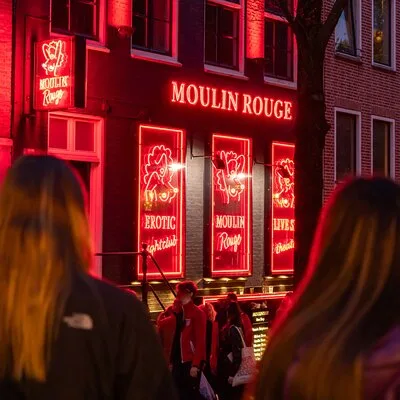
Amsterdam Red Light District Walking Tour in EN/DE/IT/ES/FR
Discover Amsterdam's famous red light district on a critical and informative 1.5-hour tour with an English, German…
Book on ViatorPractical Tips for Packing Smart
Layers beat bulk. Amsterdam's temperature swings within a single day are dramatic, especially in spring and autumn. A base layer, mid-layer, and outer shell give you more combinations than a heavy coat ever will.
Shoes matter more than anything. You'll walk 15,000–20,000 steps daily in Amsterdam. Waterproof, broken-in shoes with good grip are worth every euro you spend on them. Blisters will ruin a canal cruise faster than rain ever will.
Dress like a local, not a tourist. Amsterdam fashion is understated and practical. Dark colors, clean lines, and functional outerwear blend in better than bright athletic wear or flashy vacation outfits. You'll also be less of a target for pickpockets in crowded areas.
Check the forecast daily. The average weather in Amsterdam by month gives you a baseline, but daily conditions vary wildly. Pack a flexible wardrobe and check the weather app each morning — you'll adjust your layers accordingly.
The I amsterdam City Card is weather insurance. If you're visiting for 48+ hours, the card (€94 for 48 hours) covers over 70 museums and unlimited public transport. On rainy days, you can duck into a different museum every few hours without paying again. Just note it excludes the Anne Frank House and Van Gogh Museum.
FAQ
What is the rainiest month in Amsterdam?
July and August receive the highest rainfall volumes, though it typically falls in shorter bursts. November and December see more frequent, persistent drizzle. Pack a rain jacket regardless of the month.
Is Amsterdam cold in summer?
Rarely. Average highs in July and August reach 22°C (72°F), with occasional heat waves above 30°C (86°F). Evenings cool down significantly, so bring a light layer for late nights on canal-side terraces.
When is the best time to visit Amsterdam for good weather?
May through September offers the most reliable warmth and sunshine. September is particularly pleasant — summer crowds thin out while temperatures stay comfortable. July and August are warmest but also the busiest and most expensive.
Do I need to book museum tickets in advance?
Yes, absolutely. The Rijksmuseum and Van Gogh Museum require timed-entry tickets purchased online. The Anne Frank House releases tickets every Tuesday at 10 AM Amsterdam time for the week six weeks later. Walk-up admission isn't available at major museums.
What should I wear to avoid looking like a tourist?
Dark, neutral colors, practical waterproof outerwear, and comfortable but stylish shoes. Avoid white sneakers, baseball caps, and clothing with visible brand logos. Amsterdam locals dress casually but put-together — think smart-casual rather than athletic wear.
Zaanse Schans is an easy half-day from Amsterdam. Entrance fees and what is free live only in our Zaanse Schans guide.
The Bottom Line
The average weather in Amsterdam by month tells you what to expect, but the city's real charm lies in its unpredictability. A sunny June afternoon on a canal boat is pure magic; a grey November walk through the Jordaan has its own quiet beauty. Pack smart, dress in layers, and embrace whatever the sky delivers.
Your suitcase should be built around one waterproof outer layer, comfortable walking shoes, and a flexible layering system. Everything else is negotiable. Amsterdam will reward you regardless of the forecast — you just need to be ready for all four seasons in one day, especially in spring and autumn.
Some links below are affiliate links — we may earn a commission at no extra cost to you, which helps keep our guides free.
Book these experiences

Amsterdam: Luxury Evening Canal Cruise with Live Skipper
Experience Amsterdam at its most magical on a luxury evening canal cruise.
Book on Viator