Planning a trip to the Netherlands? You're likely picturing Amsterdam's canals, museums, and busy atmosphere. But what if you're also yearning for fresh air, scenic walks, and a deeper connection with nature? The Netherlands offers surprising diversity for outdoor enthusiasts, from coastal dunes to rolling hills and historic polder landscapes.
This guide helps you decide between focusing your outdoor adventures in and around Amsterdam, or venturing further into the broader Dutch countryside. We'll compare the hiking experiences, natural attractions, and overall vibe of these two distinct travel styles, using real traveler insights and data.
Overview: Amsterdam & North Holland vs. The Dutch Countryside
When we talk about "Amsterdam & North Holland's Natural Escapes," we're looking at the immediate surroundings of the capital city. This includes iconic windmill villages, expansive dune reserves, and large urban forests, all easily accessible for day trips. It's a blend of convenience and classic Dutch scenery.
On the other hand, "The Dutch Countryside's Diverse Trails" refers to regions beyond the Randstad's urban sprawl. Think of the hilly landscapes of Limburg in the south, the vast forests of the Veluwe, or the unique island ecosystems of the Wadden Sea. These areas often require a bit more travel time but promise different kinds of natural beauty and tranquility.
Here's a quick look at how they stack up for different aspects of your trip:
| Category | Amsterdam & North Holland's Natural Escapes | The Dutch Countryside's Diverse Trails |
|---|---|---|
| Hiking Focus | Iconic polders, coastal dunes, urban forests, historic villages. | Hilly terrain, dense forests, river valleys, unique island landscapes. |
| Accessibility from Amsterdam | Very high (day trips, short train rides). | Moderate to low (longer train rides, often requires a car). |
| Crowd Levels | Can be higher, especially at popular spots like Zaanse Schans. | Generally lower, offering more solitude. |
| Overall Vibe | Convenient, pleasant, classic Dutch postcards. | Remote, rugged (for the Netherlands), tranquil, authentic. |
| Budget (Accommodation) | Generally higher, especially if staying in Amsterdam. | Often more affordable, especially outside tourist hubs. |
Hiking & Trails: Getting Outdoors
The heart of your decision likely lies in the kind of hiking you're seeking. Both options offer incredible natural beauty, but with distinct characteristics.
Amsterdam & North Holland's Natural Escapes
This region is perfect if you want to combine city exploration with easy access to unique Dutch landscapes. You'll find a mix of well-maintained paths, historical sites, and surprising wilderness.
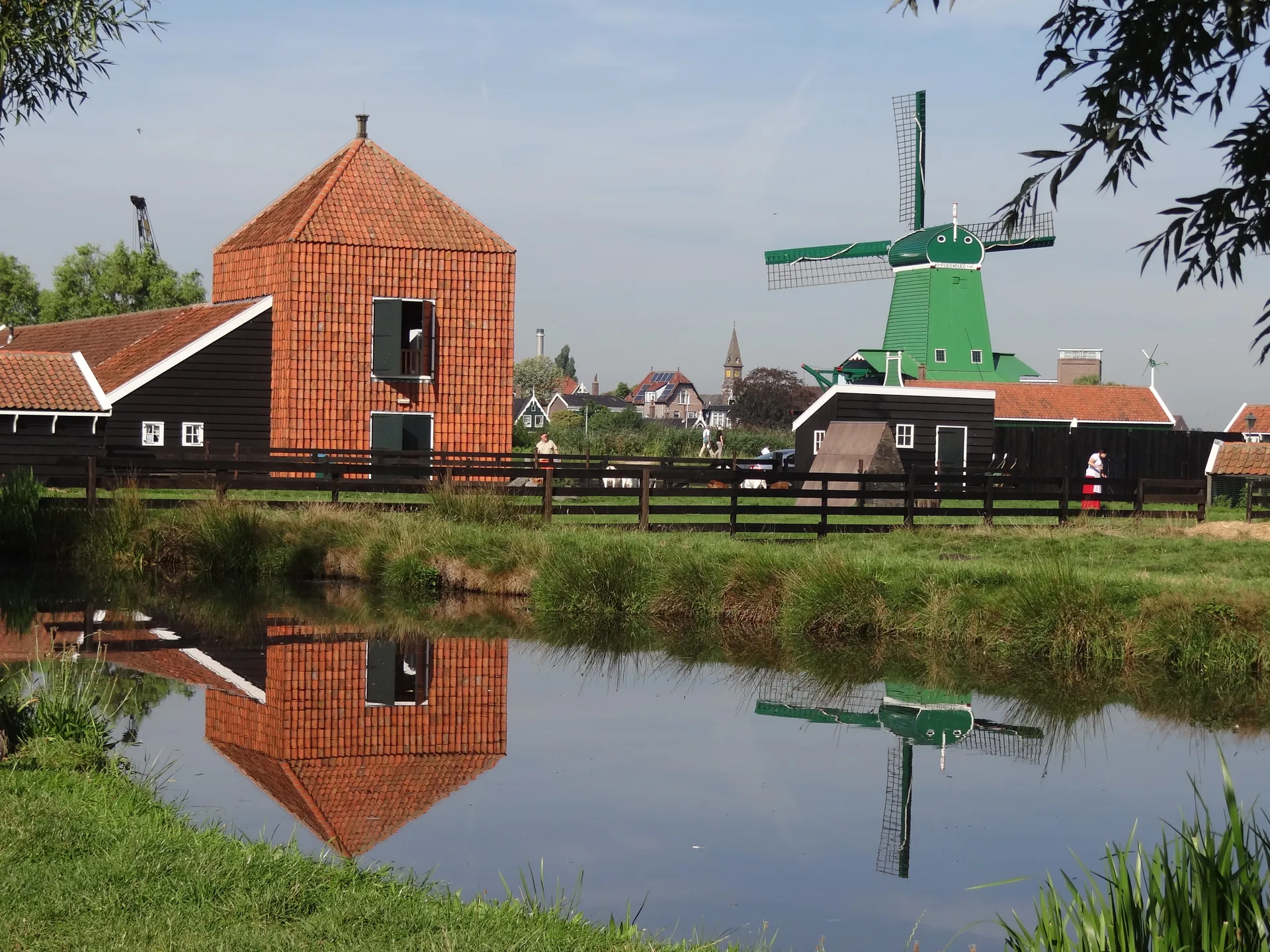
One of the most iconic experiences near Amsterdam is a visit to Zaanse Schans. While not a challenging hike, walking among its historic windmills, green wooden houses, and handicraft shops is a delightful way to experience the Netherlands' industrial
heyday. With a fantastic rating of 4.5 out of 5 from over 9,000 reviews, it's clear travelers love this step back in time. You can spend hours here, exploring museums, watching artisans, and simply strolling along the pathways.
Some links on this page are affiliate links — we may earn a commission at no extra cost to you.
For more serious hiking, the region boasts impressive dune reserves. The Amsterdamse Waterleidingduinen Nature Park, located between Zandvoort and Noordwijk, is a prime example. This vast reserve, spanning nearly 3,800 hectares, is not only a source of drinking water but also a sanctuary for wildlife, particularly fallow deer. You'll find well-marked trails, including the 6.4 km "Herten Route" designed for deer spotting. Just remember, there's a small day ticket fee of €1.50 for visitors over 18, and dogs and bicycles aren't permitted, ensuring a peaceful natural experience.
Another excellent choice is National Park Zuid-Kennemerland, west of Haarlem. This international protected area offers a diverse landscape of dunes, forests, and beaches, all completely free to enter. Its trails range from 1 to 16 kilometers, with a popular 9 km blue trail leading from the visitor center to the beach. Keep an eye out for large grazers like wisents and wild horses here. With a strong rating of 4.6 out of 5 from over 200 reviews, it’s a highly recommended escape.
Closer to the city, the Amsterdamse Bos (Amsterdam Forest) is an urban gem. Three times larger than New York's Central Park, it attracts millions annually and offers seven distinct hiking trails, from a 4 km pond walk to a 9.5 km loop around De Poel lake. Entry is free, and you can even find digital route maps on their dedicated app. It’s a fantastic option for a quick nature fix without leaving the city's doorstep.
For a unique watery landscape, consider Naardermeer Lake, the oldest nature reserve in the Netherlands. While general access might be limited, walking paths and polder roads around the lake offer a 17 km circuit, and the "Laarzenpad" (Boot Path) takes you through swamp forests. It's a birdwatcher's paradise, but note that dogs are not allowed due to the sensitive ecosystem.
If you prefer to cover more ground, Holland Bike Tours offers an alternative way to explore the photogenic villages and historic towns around Amsterdam. With a perfect 5 out of 5 rating from over 330 reviews, it's clear that many travelers find cycling an ideal way to see the Dutch landscape.
The Dutch Countryside's Diverse Trails
Venture beyond Amsterdam, and the Netherlands reveals a completely different side. Here, the landscapes become more varied, offering a sense of deeper tranquility and, in some cases, more challenging terrain.
One of the most iconic rural destinations is World Heritage Kinderdijk. This UNESCO World Heritage site is a testament to Dutch water management, featuring 19 authentic windmills in a classic polder landscape. While it's primarily a cultural site, walking or cycling along the dikes provides a beautiful, expansive outdoor experience. With a stellar rating of 4.6 out of 5 from over 3,500 reviews, it's a quintessential Dutch experience.
For something truly unique, head south to the Drielandenpunt (Three-Country Point) near Vaals. Here, you can literally stand in the Netherlands, Belgium, and Germany all at once! The area offers pleasant walks through forests and hills, a contrast to the flat polders up north. While its rating of 3.8 out of 5 from over 1,200 reviews is slightly lower than other major attractions, the novelty of being at a tri-border point is a definite draw for many.
Further afield, regions like the Veluwe, a large forest and heathland area in Gelderland, offer extensive walking and cycling trails, often encountering wild boar and red deer. Limburg, the southernmost province, surprises visitors with its rolling hills and even mountains (by Dutch standards!), providing a different kind of hiking challenge. The Wadden Islands in the north are another fantastic option, offering unique coastal walks and birdwatching opportunities on their extensive mudflats and beaches.
Seasonal Highlight: Veluwe Heath Blooms
When: Late August to early September
If you visit the Veluwe region during late summer, you'll be treated to a stunning purple landscape as the heather blooms. It's a truly distinctive time for a hike.
Food & Drink: Fueling Your Adventures
After a day of exploring, you'll want to refuel. The culinary scene varies significantly between Amsterdam and the broader countryside.
Amsterdam & North Holland
In Amsterdam, you're spoiled for choice. The city offers everything from Michelin-starred restaurants to cozy cafes, international cuisine, and trendy food markets. You can easily find vegan options, craft beer bars, and traditional Dutch snacks like stroopwafels and herring. Many establishments are geared towards tourists, offering menus in multiple languages and efficient service. Prices can be on the higher side, especially in popular central areas.
Outside of the immediate city, in places like Zaanse Schans or near the dune parks, you'll find pleasant local eateries, pancake houses, and traditional Dutch lunchrooms. These often focus on local specialties and fresh, seasonal ingredients. Expect a more relaxed pace and potentially fewer high-end options compared to the capital.
The Dutch Countryside
Venture into the countryside, and the dining experience becomes more about local flavors and a slower pace. You'll see authentic regional dishes, farm-to-table experiences, and often more budget-friendly prices. Think hearty stews in Limburg, fresh fish on the coast, or artisanal cheeses from local farms. Pubs (cafés in Dutch) in smaller towns often serve simple, delicious meals alongside local beers. It's a chance to truly immerse yourself in the local culture through its food.
Nightlife: Post-Hike Entertainment
What do you do once the sun sets? Your options will be vastly different depending on your chosen destination.
Amsterdam & North Holland
Amsterdam is renowned for its busy nightlife. From high-quality clubs and live music venues to cozy brown cafes, sophisticated cocktail bars, and even canal cruises, there's something for every taste. The city truly comes alive after dark, offering endless possibilities for entertainment. You'll find a busy, international crowd, especially on weekends.
Even in towns just outside Amsterdam, like Haarlem, you'll find a decent selection of bars and pubs, though on a smaller scale. But if you're staying closer to nature parks like the Amsterdamse Waterleidingduinen, nightlife will be minimal, often limited to hotel bars or quiet local pubs.
The Dutch Countryside
Nightlife in the Dutch countryside is generally much quieter. In smaller villages and towns, your options will likely be limited to local pubs (bruine cafés) where you can enjoy a drink and chat with locals. Larger regional cities like Maastricht (near Drielandenpunt) or Arnhem (near the Veluwe) will offer more choices, including some bars, restaurants, and perhaps a cinema. If a busy nightlife is a priority, the countryside might feel a bit too subdued for your tastes.
Beaches & Water Activities: Coastal Escapes
The Netherlands has a significant coastline, offering diverse beach experiences.
Amsterdam & North Holland
The North Holland coast is easily accessible from Amsterdam. Zandvoort and Bloemendaal aan Zee are popular beach towns, offering wide sandy beaches perfect for sunbathing, swimming, and various water sports. You'll find busy beach clubs, especially in Bloemendaal, with music and dining options. These beaches are particularly popular during the summer months and on sunny weekends. The dune reserves mentioned earlier often lead directly to these beaches, allowing you to combine a hike with a seaside stroll.
The Dutch Countryside
The broader Dutch countryside offers different types of water experiences. The Wadden Islands, for instance, are famous for their unique mudflat hiking (wadlopen) and tranquil beaches. Zeeland in the southwest boasts some of the cleanest and sunniest beaches in the Netherlands, perfect for a quieter, more family-oriented beach holiday. Inland, many lakes and rivers offer opportunities for boating, kayaking, and swimming. So, while Amsterdam offers convenient beach access, the countryside provides a wider variety of coastal and inland water activities, often with fewer crowds.
Budget: How Much Will It Cost?
Your travel budget will be a key factor in deciding between these two options.
Amsterdam & North Holland
Amsterdam is generally one of the more expensive cities in Europe. Accommodation, dining out, and attractions can quickly add up. A mid-range hotel could easily cost €150-€250 per night, and a decent meal can be €20-€40 per person. Transportation within the city is efficient but adds to daily costs. Day trips to nearby natural areas like the dune parks or Zaanse Schans involve train tickets, and in some cases, small entrance fees. But many of the best hiking spots like Amsterdamse Bos or National Park Zuid-Kennemerland are free.
The Dutch Countryside
Traveling through the Dutch countryside is often more budget-friendly. Accommodation in smaller towns and villages tends to be significantly cheaper, with pleasant B&Bs or guesthouses available for €80-€150 per night. Dining costs are also typically lower, and you'll find more opportunities for self-catering or enjoying simple, affordable local meals. Transportation might involve more car rental or longer train journeys, which can add up, but once you're in a region, many outdoor activities like hiking are free.
Getting Around: Transportation Logistics
How you plan to move between locations is crucial.
Amsterdam & North Holland
Getting around Amsterdam and its immediate surroundings is incredibly easy. The city itself is very walkable and bike-friendly. An excellent public transport network of trams, buses, and metros connects all parts of the city. For day trips to places like Zaanse Schans, the dune parks, or Haarlem, efficient train connections are readily available, often taking less than 30-45 minutes. You won't need a car to explore this region.
The Dutch Countryside
Exploring the broader Dutch countryside often benefits from having a car, especially if you want to access national parks, remote trails, or small villages that aren't directly on a train line. While the Netherlands has an excellent public transport system covering most major towns, reaching specific trailheads or nature reserves can be challenging and time-consuming without a car. For instance, getting to Drielandenpunt via public transport involves multiple transfers. That said, cycling is always a fantastic option for local exploration once you reach a base town.
Verdict: Which is Right for You?
So, Amsterdam and its surrounding natural escapes, or the deeper Dutch countryside? The answer truly depends on your travel style and priorities.
Choose Amsterdam & North Holland If...
You want to combine city culture with easy day trips to iconic windmills, coastal dunes, and urban forests. You prioritize convenience, busy nightlife, and a wide range of dining options.
Choose The Dutch Countryside If...
Your main focus is hands-on outdoor experiences, tranquility, and exploring diverse landscapes like rolling hills or expansive forests. You prefer a slower pace, local character, and a more budget-friendly trip outside of major cities.
If you're looking for the quintessential Dutch postcard experience – windmills, canals, and easily accessible nature – with the buzz of a high-quality city, Amsterdam and its immediate surroundings are your best bet. You can enjoy a morning hike in the dunes and be back in Amsterdam for dinner and a show.
Yet, if your idea of a perfect trip involves truly disconnecting, seeking out varied natural terrain, and experiencing a more authentic, quieter side of the Netherlands, then venturing into the broader countryside will reward you immensely. You might sacrifice some urban conveniences, but you'll gain unparalleled peace and natural beauty.
Ultimately, both offer incredible experiences. Consider what kind of journey you truly desire, pack your hiking boots, and get ready to explore the beautiful Netherlands!
Practical Tips
- Best Time to Visit: For hiking, spring (April-May) and early autumn (September-October) offer the most pleasant weather, with fewer crowds than peak summer.
- What to Wear: Layers are always a good idea in the Netherlands, as the weather can change quickly. Sturdy, waterproof hiking boots are essential, especially for dune or forest trails that can be sandy or muddy.
- Navigation: Download offline maps (like Google Maps or Komoot) for hiking trails, as cell service can be spotty in some natural reserves. Many parks also offer physical maps at visitor centers.
- Wildlife Etiquette: When visiting nature reserves, stick to marked paths, keep a respectful distance from wildlife, and avoid feeding animals. Dogs are often not allowed in sensitive nature areas.
- Accommodation: Book accommodation well in advance, especially if traveling during peak season or to popular areas. Consider staying in a smaller town just outside Amsterdam for a slightly better price point and easier access to nature.
Quick Facts: The Netherlands
- Currency: Euro (€)
- Language: Dutch (English is widely spoken)
- Time Zone: Central European Time (CET), UTC+1
- Plug Type: Type F (two round pins)
- Driving Side: Right
FAQ
Is it easy to hike in the Netherlands if I don't have a car?
Yes, especially around Amsterdam. Many excellent hiking areas like National Park Zuid-Kennemerland, Amsterdamse Waterleidingduinen, and Zaanse Schans are easily reachable by train and then a short walk or local bus. For more remote countryside trails, a car can be very helpful, but public transport can still get you to many starting points.
Are there any challenging hikes in the Netherlands?
While the Netherlands is generally flat, regions like Limburg in the south offer more challenging, hilly terrain. Even in flatter areas, longer routes (e.g., 20-30 km through dunes or polders) can be physically demanding due to distance, wind, or sandy conditions.
Can I combine city sightseeing in Amsterdam with a hiking trip?
Absolutely! This is one of the strengths of staying in Amsterdam. You can spend half your trip enjoying the city's cultural attractions and the other half taking day trips to nearby natural parks and historical villages for hiking and outdoor activities.
What's the best time of year for hiking in the Netherlands?
Spring (April-May) and early autumn (September-October) are generally ideal. Temperatures are mild, nature is either blooming or showcasing beautiful fall colors, and tourist crowds are often thinner than in summer.
Are dogs allowed on hiking trails in the Netherlands?
It varies. Many general walking paths and forest areas allow dogs, often on a leash. However, sensitive nature reserves, especially those with unique wildlife or bird breeding grounds (like Naardermeer or certain sections of dune parks), often prohibit dogs to protect the ecosystem. Always check specific park rules before you go.
How much does it cost to go hiking in the Netherlands?
Many beautiful hiking areas, including National Park Zuid-Kennemerland and Amsterdamse Bos, are free to enter. Some specialized reserves like Amsterdamse Waterleidingduinen have a small entrance fee (e.g., €1.50). Overall, hiking itself is a very affordable activity in the Netherlands.