So, you're planning a trip to Amsterdam? Excellent choice! Beyond the iconic canals and pleasant gabled houses, this city offers a unique blend of history, culture, and surprising modern escapes. But before you try stroopwafels and high-quality museums, let's get down to the nitty-gritty: how to actually navigate Amsterdam like a seasoned pro. This guide is your no-nonsense handbook to making your Dutch adventure as seamless and enjoyable as possible.
Best Time to Visit Amsterdam
Choosing the right time to visit Amsterdam can significantly shape your experience. What kind of weather do you prefer? Are you hoping for fewer crowds or busy festivals?
Spring (April-May): This is arguably the most photogenic time. The city awakens with blooming tulips, especially if you venture to nearby Keukenhof Gardens. Temperatures are mild, typically ranging from 8°C to 17°C (46-63°F), and the tourist crowds are manageable before the summer rush. You'll find pleasant weather for cycling and canal cruises.
Summer (June-August): Expect the warmest weather, with averages between 15°C and 23°C (59-73°F), though heatwaves can push temperatures higher. This is peak tourist season, meaning more crowded attractions and higher prices for accommodation. Yet, it's also when Amsterdam truly comes alive with outdoor festivals, open-air cinemas, and, yes, its unique urban beaches and easy day trips to the coast. If you want to soak up the sun or enjoy a dip, summer is your best bet.
Autumn (September-October): As the summer crowds thin, autumn brings a golden glow to the city. Temperatures cool to a comfortable 10°C to 18°C (50-64°F). It's a fantastic time for museum visits, cozy café hopping, and enjoying the changing foliage along the canals. You might catch some lingering outdoor events in early autumn.
Winter (November-March): Amsterdam in winter is atmospheric and pleasant, though cold, with temperatures often hovering around freezing. Expect crisp air, shorter days, and the possibility of snow. The Amsterdam Light Festival illuminates the canals from December to January, and Christmas markets add a festive touch. If you're brave, you can even join the famous New Year's Dive at Sloterplas Lake! This is the quietest season for tourists, offering a more local feel.
How to Get to Amsterdam
Reaching Amsterdam is straightforward, whether you're arriving by air or train.
By Air:
Amsterdam Airport Schiphol (AMS) is one of Europe's busiest and most well-connected airports. It's located just 15-20 minutes southwest of the city center.
* From Schiphol to City Center: The quickest and most efficient way to reach Amsterdam Centraal Station is by train. Trains depart frequently (every 5-10 minutes during the day) from platforms beneath the airport terminal. A single ticket costs around €4.90 and can be purchased from yellow ticket machines or the NS app.
By Train:
Amsterdam Centraal Station is a major international railway hub.
* From European Cities: High-speed trains like Thalys (from Paris, Brussels, Cologne) and Eurostar (from London) offer direct and comfortable connections. Booking these in advance can secure better fares.
Getting Around Amsterdam
Amsterdam is incredibly walkable, but its comprehensive public transport system and legendary cycling culture make getting around even easier.
Walking:
Many of the city's main attractions, especially within the canal belt, are within easy walking distance of each other. This is the best way to spend time on the street and see pleasant side streets.
Cycling:
Amsterdam is a cyclist's paradise, with dedicated bike lanes everywhere. Renting a bike is a quintessential Dutch experience, but be aware:
* Rules: Obey traffic lights, use hand signals, and always lock your bike securely.
* Traffic: Amsterdam cyclists can be fast and assertive. Stay to the right, and don't walk in bike lanes!
* Cost: Bike rentals typically range from €10-€15 per day.
Public Transport (GVB):
The GVB (Gemeentelijk Vervoerbedrijf) operates trams, buses, and metros. It's efficient and covers the entire city.
* OV-chipkaart: This smart card is used for all public transport. You can buy anonymous reloadable cards or single-use tickets for 1-7 days. A 24-hour ticket costs around €9.
* GVB App: Download the official GVB app for real-time schedules and route planning.
Validation: Always tap your card or ticket when entering and* exiting any transport.
Ferries:
Free GVB ferries depart regularly from behind Centraal Station, taking you across the IJ water to Amsterdam Noord. This is a fun and free way to see a different side of the city.
Quick Facts: Amsterdam
- Currency: Euro (€)
- Language: Dutch, but English is widely spoken
- Time Zone: Central European Time (CET), UTC+1
- Plug Type: Type C & F (two round pins)
- Calling Code: +31
Budget Breakdown: What to Expect
Amsterdam can be as budget-friendly or as luxurious as you make it. Here’s a general idea of costs for 2026:
Accommodation (per night):
* Budget (Hostels, Guesthouses): €30 - €60 for a dorm bed, €80 - €120 for a private room.
* Mid-Range (3-4 Star Hotels): €120 - €250.
* Luxury (5 Star Hotels): €250+.
* Apartment Rentals: Can be a good
- Apartment Rentals: Can be a good option for longer stays or groups, with prices varying widely.
Food & Drink (per day):
* Budget (Supermarkets, Street Food, Kebabs): €20 - €40. Think fresh bread, cheese, stroopwafels, and fries.
* Mid-Range (Casual Restaurants, Cafés): €40 - €80. A main course typically costs €15-€25.
* High-End (Fine Dining): €80+.
* Coffee/Tea: €3-€5.
* Beer/Wine: €5-€8 for a regular glass.
Transportation (per day):
* Walking/Cycling: Free (excluding bike rental).
* Public Transport: €9 for a 24-hour GVB ticket.
Activities/Attractions (per day):
* Museums: €15 - €30 per entry. Consider an I Amsterdam City Card if you plan to visit many.
* Canal Cruises: €15 - €25.
* Free Activities: Many parks, markets, and walking tours are free or tip-based. Even enjoying some of the city's unique urban beaches won't cost you an entrance fee.
Estimated Daily Budget (excluding accommodation):
* Budget Traveler: €50 - €80
* Mid-Range Traveler: €80 - €150
* Luxury Traveler: €150+
Safety Tips for Travelers
Amsterdam is generally a safe city, but like any popular destination, it pays to be aware of your surroundings.
- Pickpockets: Be vigilant in crowded areas like Centraal Station, Dam Square, and on trams. Keep your valuables secure and out of sight.
- Bikes: Bike theft is common. If you rent a bike, always use two locks and secure it to a fixed object.
- Traffic: Watch out for bikes and trams! They have right-of-way and can appear quickly. Look both ways, even on one-way streets.
- Red Light District: While generally safe, be respectful. Photography of people in windows is strictly forbidden and can lead to confrontation.
- Coffee Shops: Be aware of the potency of products. Start with a small amount and wait to see its effects.
- Emergency Numbers: Dial 112 for police, ambulance, or fire services.
Exploring Amsterdam's Unique Neighborhoods
Amsterdam is a city of distinct boroughs, each with its own character. Beyond the famous canal belt, exploring these areas gives you a deeper sense of local life.
Jordaan
Historic character, narrow streets, and cozy brown cafés.
De Pijp
Bohemian vibe, home to the busy Albert Cuyp Market.
Amsterdam Noord
Trendy industrial-chic area, street art, and waterfront views.
Oud-West
Cultural hotspots like De Hallen, local shops, and eateries.
IJburg
Modern architecture, family-friendly, and home to urban beaches.
Jordaan: Once a working-class district, Jordaan is now one of the city's most desirable areas. Wander its labyrinthine streets, see hidden courtyards (hofjes), and enjoy traditional Dutch pubs. It's less about grand sights and more about soaking in the authentic Amsterdam atmosphere.
De Pijp: This busy, multicultural neighborhood south of the city center is known for its busy streets, diverse restaurants, and the famous Albert Cuyp Market. It's a great spot for an afternoon stroll and trying various international foods.
Amsterdam Noord: Just a short, free ferry ride across the IJ from Centraal Station, Noord offers a different perspective. It's a former industrial area now transformed into a creative hub with street art, unique cafes, and stunning views of the city skyline. Pllek, a popular restaurant and bar, is located here with its own city beach area during summer.
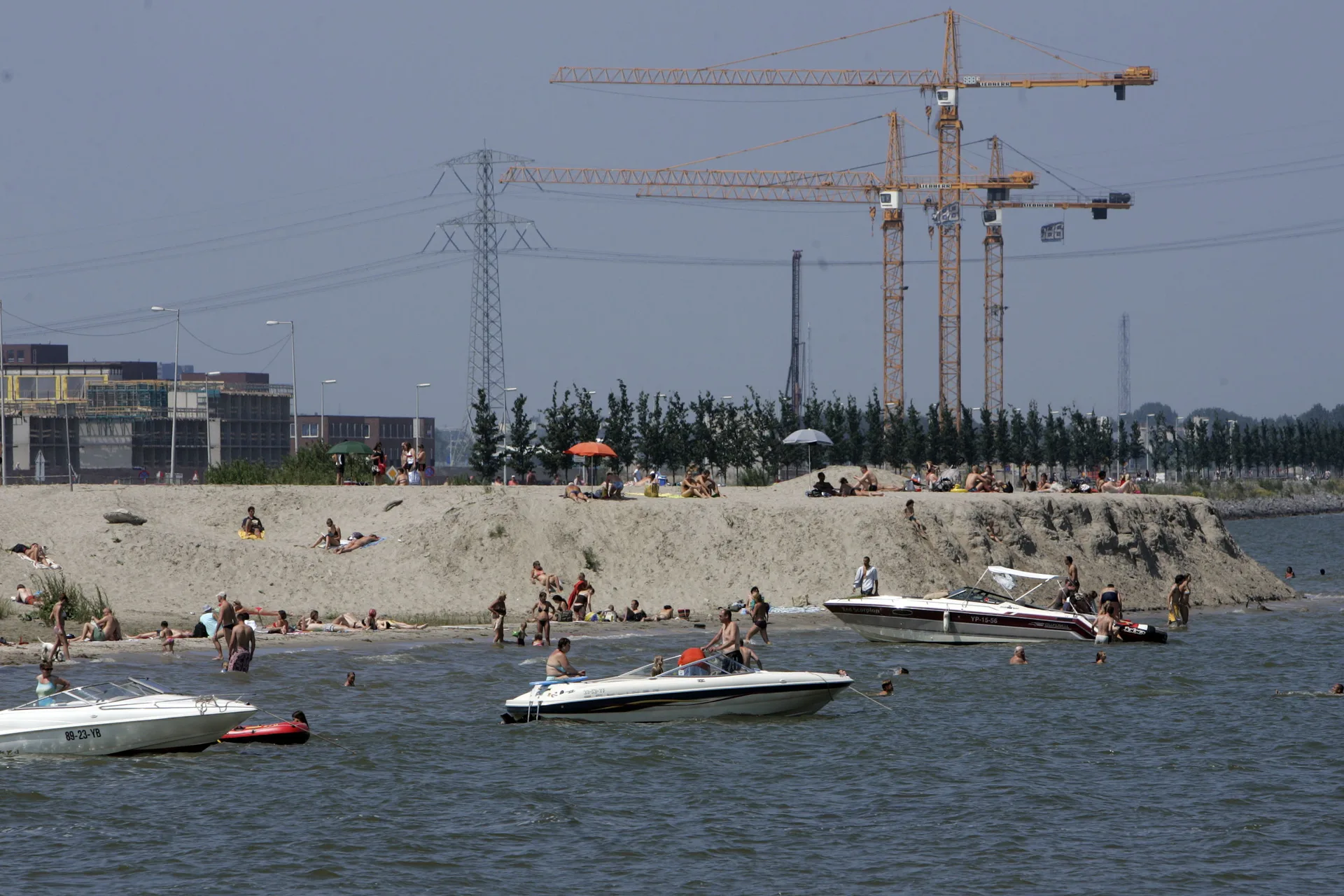
IJburg: For a taste of modern Amsterdam and a surprising beach experience, head to IJburg. This residential area built on artificial islands offers contemporary architecture and a relaxed, family-friendly atmosphere. Here, you'll find Strand Blijburg, a permanent public sand beach that serves as a popular spot for locals. The original pavilion closed, but the spirit of a city beach lives on with new facilities like "De Japanner" restaurant. It's free to access and easily reachable by tram. While the water is generally shallow and calm, be aware that lifeguard supervision may not always be present.
Some links on this page are affiliate links — we may earn a commission at no extra cost to you.
Packing List Essentials
Packing smart ensures you're ready for anything Amsterdam throws at you, from sudden rain showers to long days of walking.
- Comfortable Walking Shoes: Non-negotiable! You'll be doing a lot of walking or cycling.
- Layers: Amsterdam weather can change quickly. Pack t-shirts, sweaters, and a light jacket.
- Waterproof Outerwear: A rain jacket or umbrella is a must, even in summer.
- Reusable Water Bottle: Stay hydrated and reduce plastic waste. Tap water is safe to drink.
- Travel Adapter: For Type C/F plugs (two round pins).
- Portable Charger: Keep your phone charged for navigation and photos.
- Small Backpack/Day Bag: For daily essentials and souvenirs.
- Scarf: Versatile for warmth, style, or sun protection.
- Swimsuit (Summer): If you plan to visit any urban beaches or take a day trip to the coast.
- Sunscreen & Hat (Summer): Even on cloudy days, UV can be strong.
Understanding Local Customs and Etiquette
A little understanding of Dutch customs goes a long way in enhancing your experience.
- Directness: The Dutch are known for being direct. Don't mistake it for rudeness; it's simply efficient communication.
- Cycling Etiquette: Respect bike lanes and give cyclists their space. Bell ringing usually means "I'm coming through!"
- Punctuality: If you have an appointment or reservation, try to be on time.
- Tipping: Tipping isn't mandatory but is appreciated for good service. Rounding up to the nearest euro or leaving 5-10% in restaurants and for taxi drivers is common.
- "Gezelligheid": This untranslatable Dutch word means a cozy, convivial, and comfortable atmosphere. You'll feel it in brown cafés and local gatherings.
- Smoking Rules: Smoking tobacco is banned in public indoor spaces. Cannabis use is tolerated in designated "coffee shops," but not in public.
- Queuing: While not always strictly formed, try to wait your turn.
Practical Tips for Your Amsterdam Visit
Here are a few final pointers to make your trip even smoother.
- Book Ahead: Especially for popular attractions like the Anne Frank House or Rijksmuseum, booking tickets online in advance is crucial to avoid long queues and ensure entry. This is particularly true during peak season.
- Learn a Few Dutch Phrases: While English is widely spoken, a simple "Hello" (Hallo), "Thank you" (Dank je wel), or "Excuse me" (Sorry/Neem me niet kwalijk) will be appreciated.
- Consider an I Amsterdam City Card: If you plan on visiting multiple museums and using public transport extensively, this card can save you money and offer skip-the-line access. Evaluate if it aligns with your itinerary.
- Cash vs. Card: Credit and debit cards are widely accepted, but it's always wise to carry some small euro notes for smaller purchases or markets. Some smaller shops might prefer debit cards (Maestro).
- Explore Beyond the Center: While the canal belt is iconic, venture into neighborhoods like De Pijp, Jordaan, or Amsterdam Noord for a more local and diverse experience. Even a trip to an urban beach like Sloterplas can offer a refreshing change of pace.
- Check Opening Hours: Always verify opening hours for museums, shops, and restaurants, as they can vary, especially on holidays.
Sloterplas Festival
When: Sunday, September 20, 2026
Enjoy music, street theatre, food trucks, and sports at this free-admission festival in Amsterdam Nieuw-West, held at the scenic Sloterplas Lake.
FAQ
Is Amsterdam an expensive city to visit?
Amsterdam can be moderately expensive, especially for accommodation and dining in popular areas. Here's the catch: by utilizing public transport, eating from local markets, and enjoying free activities like parks and urban beaches, you can manage your budget effectively.
What's the best way to get from Schiphol Airport to the city center?
The most efficient way is by train. Trains run frequently from beneath the airport terminal directly to Amsterdam Centraal Station, taking about 15-20 minutes. Tickets cost around €4.90.
Can I swim at the urban beaches in Amsterdam?
Yes, several urban beaches like Strand IJburg (Strand Blijburg) and Sloterplas Beach allow swimming. That said, always check local signage for water quality updates and be aware that lifeguards may not always be present. Beaches like StrandZuid offer a beach ambiance but do not permit swimming in their adjacent waters.
Is it safe to cycle in Amsterdam as a tourist?
Yes, but with caution. Amsterdam is very bike-friendly, but locals cycle fast. Stick to bike lanes, use hand signals, and be aware of your surroundings. Always lock your rented bike securely.
Do I need cash in Amsterdam, or are cards widely accepted?
Most establishments accept card payments. Yet, it's a good idea to carry some small euro notes (€5, €10, €20) for small purchases at markets, street vendors, or in some smaller cafes.
What's the tipping etiquette in Amsterdam?
Tipping is not mandatory, as service charges are usually included. However, it's customary to round up the bill or leave a small tip (5-10%) for good service in restaurants, cafes, and for taxi drivers.