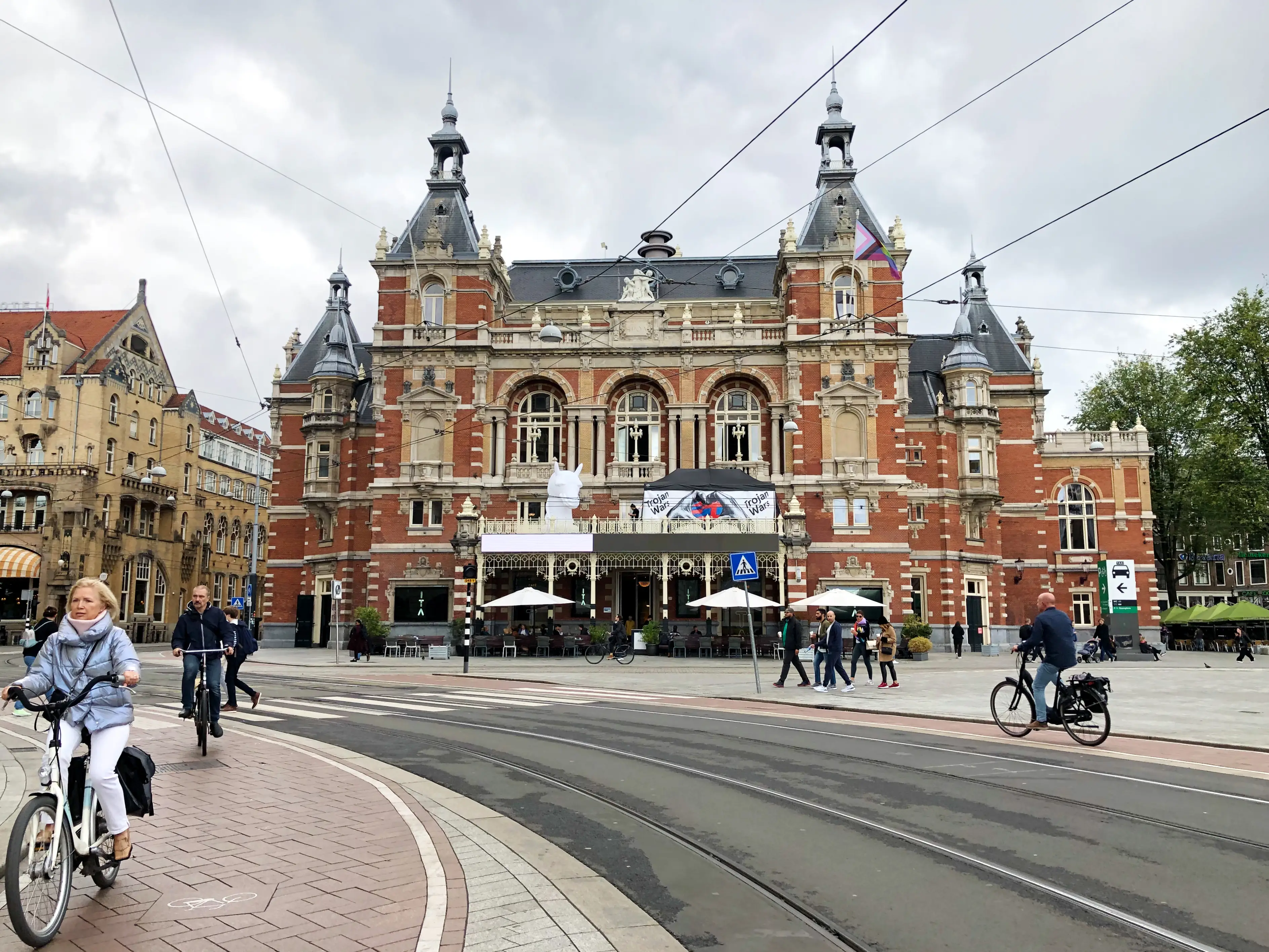
Amsterdam calls with its iconic canals, gabled houses, and a history etched in every brick. If you're drawn to urban design, historic facades, and innovative modern structures, you're in for a treat. This guide is your blueprint for planning a seamless trip, ensuring you experience the city's architectural wonders, navigate like a local, and make the most of every moment.
From its photogenic canals and bridges to its historic homes, Amsterdam could be considered straight out of a fairytale. The brightly-colored bicycles and tulip stands around town only add to its character.
Some links on this page are affiliate links — we may earn a commission at no extra cost to you.
Best Time to Visit Amsterdam
Timing is everything for your Amsterdam adventure, especially if you're keen on exploring its architecture comfortably.
Spring (March to May): This is arguably the sweet spot. The famous tulip fields at Keukenhof burst into color from March 19 to May 10, 2026, offering a stunning natural contrast to the city's urban lines. Temperatures are mild, perfect for walking or cycling tours, and the crowds are manageable before the summer rush. King's Day on April 27, 2026, transforms the city into an orange party, but remember that transport and tour availability will be impacted.
Summer (June to August): Expect warm weather and busy energy, but also larger crowds and higher prices. If you don't mind the buzz, summer offers long daylight hours, ideal for extended explorations. The Grachtenfestival (August 7-16, 2026) brings classical music to canal-side venues, adding a unique soundtrack to your architectural strolls.
Autumn (September to November): Fall brings cooler temperatures and beautiful foliage, making it another excellent time for sightseeing. The summer crowds begin to thin, and you can enjoy a more relaxed pace. Museumnacht (Museum Night) on November 7, 2026, offers a special opportunity to experience cultural institutions after dark.
Winter (December to February): While chilly, winter in Amsterdam has a special character, especially with the Amsterdam Light Festival running until January 18, 2026. The illuminated art installations along the canals provide a fresh perspective on the city's waterways and buildings. You'll find fewer tourists, but some attractions might have reduced hours.
Getting to Amsterdam
Your gateway to Amsterdam is typically Amsterdam Airport Schiphol (AMS). It's a major international hub, well-connected globally.
By Air: Most international travelers will fly into Schiphol. Once you land, getting into the city center is straightforward.
By Train: Schiphol Plaza, located directly below the airport, has a train station with frequent connections to Amsterdam Centraal Station. The journey takes about 15-20 minutes. Tickets can be purchased from the yellow machines at the airport or online.
By Bus/Taxi: Buses and taxis are also available, but the train is usually the quickest and most cost-effective option for reaching the city center.
Quick Facts: Amsterdam
- Currency: Euro (€)
- Language: Dutch (English widely spoken)
- Time Zone: Central European Time (CET)
- Plug Type: Type C and F (two round pins)
- Tourist Tax: €7-€12.50 per person, per night (for accommodation)
Getting Around Amsterdam
Amsterdam is a city built for walking, cycling, and efficient public transport. You'll rarely need a car within the city limits.
Walking: Many of the most iconic architectural sights, particularly within the historic Canal Belt, are best explored on foot. Wear comfortable shoes; you'll be doing a lot of walking on cobblestone streets.
Cycling: Bicycles are deeply embedded in Amsterdam's culture. Renting a bike is an authentic way to explore, with basic rentals costing around €10-€15 per day. Just be mindful of the dedicated red bike lanes and the sheer volume of cyclists. Always lock your bike securely.
Public Transport (GVB): Amsterdam boasts an excellent public transport network including trams, buses, metros, and ferries.
* OV-chipkaart: This smart card is used for all public transport. You can buy disposable one-hour or day tickets, or a reloadable anonymous OV-chipkaart if you're staying longer.
* I Amsterdam City Card: This pass includes unlimited GVB public transport, making it a convenient option for tourists.
* Cashless: Remember that Amsterdam is largely cashless. You'll need a credit/debit card for most transactions, including public transport tickets from machines.
Budgeting Your Amsterdam Adventure
Amsterdam can be enjoyed on various budgets, but it's wise to plan ahead. Here’s a breakdown for 2026:
Accommodation: This will likely be your largest expense.
* Budget: Hostels or guesthouses can range from €40-€80 per night.
* Mid-range: A comfortable hotel room might cost €120-€200 per night.
* Luxury: Expect €250+ per night for high-end hotels.
Remember the tourist tax of €7-€12.50 per person, per night, which is usually added to your accommodation bill.
Food: Amsterdam offers diverse culinary experiences.
* Budget: Grab a stroopwafel (€2-€4), a broodje (sandwich, €5-€8), or a meal from a local market (€10-€15). Supermarkets are great for saving money.
* Mid-range: A casual restaurant meal might be €20-€35 per person.
* Fine Dining: Expect €60+ per person for a multi-course meal.
Attractions & Tours: Major museums and tours have specific costs.
* Anne Frank House: Adults €16.50, children (10-17) €7.00. Book six weeks in advance!
* Rijksmuseum: Adults €25.00. Free for under 18s.
* Van Gogh Museum: Adults €25.00. Free for under 18s, students €15.00 (weekdays).
* Canal Cruises: Classic 1-hour tours are €16-€22.
* Bike Tours: Guided city tours are typically €25-€35.
* Food Tours: Expect €80-€110 for a 3-4 hour tour with tastings.
City Passes: Museumkaart vs. I Amsterdam City Card
Museumkaart (Museum Card): Primarily for residents, but tourists can buy a temporary card (valid for 31 days and 5 museum visits) for around €69.00 (adults) plus a €6.00 starting fee. It covers over 400 museums, including Rijksmuseum. Note: Anne Frank House charges a €1.00 booking fee even with the Museumkaart, and registering for the full annual card as a tourist can be complex.*
I Amsterdam City Card: Designed for tourists, this pass includes free entry to over 70 attractions (Rijksmuseum included), unlimited GVB public transport, a free canal cruise, and discounts. Prices vary by duration (e.g., 24-hour card ~€60-€65). Crucially: Anne Frank House and Van Gogh Museum are NOT included.*
Decide which card makes sense based on your planned activities and duration. For a mid-range budget, expect to spend €100-€150 daily, covering accommodation, meals, transport, and a museum or two.
Exploring Amsterdam's Architectural Story
Amsterdam's architecture is a narrative of its history, from the Golden Age canal houses to modern urban developments. If you're keen to address architecture tours in Amsterdam, you have several excellent avenues.
Specialized Architecture Tours: While less common than general city tours, some local guides specialize in architectural history. Seek out private guides or smaller companies who can tailor a walking or cycling tour to your specific interests, whether it's the elegant gables of the Canal Belt, the brickwork of the Jordaan, or the innovative designs of Amsterdam-Noord. These often provide deeper insights into specific building styles, urban planning, and the stories behind the facades.
General City Tours with an Architectural Lens: Many walking and cycling tours will naturally cover architecturally significant areas
architecturally significant areas like the Canal Belt, the Jordaan, or the modern developments in Amsterdam-Noord. These tours often look at the history and culture that shaped the city's unique appearance.
If you're looking to specifically address architecture tours in Amsterdam, consider options that offer a more personalized or customizable experience. For instance, Omy Amsterdam Tours specializes in small group experiences, typically 4 to 6 people, or larger groups by appointment. Their "Eco Amsterdam Walking Tour," priced at €45 per person, includes a 24-hour public transport card and a light meal, allowing for an intimate exploration of the city's design. Contacting them in advance is recommended, especially for their appointment-only eco-tours, to discuss tailoring a route that highlights specific architectural periods or styles.
Another excellent choice for budget-conscious travelers, or those who appreciate a flexible approach, is Free Amsterdam Classic Tours. These operate on a "pay-what-you-wish" model, though a small booking fee of €2 per person and a mandatory city tour tax of €1.50 apply. With limits of 15 participants per tour, they offer a more personalized feel than larger group tours. While not exclusively architecture-focused, their guides are known for being informative and can often highlight architectural details as part of the city's story. Booking ahead is essential due to the participant limits.
Beyond guided tours, you can design your own architectural journey. The Eastern Docklands (Oostelijke Eilanden) showcases striking contemporary architecture, transformed from industrial sites into residential and commercial spaces. For a grittier, industrial-chic vibe, head to NDSM Wharf in Amsterdam-Noord, accessible by a free ferry from Centraal Station. Here, you'll find repurposed warehouses, street art, and the STRAAT Museum, dedicated to street art and graffiti, housed in a former shipbuilding shed. These areas demonstrate Amsterdam's ongoing evolution and creative use of space.
For those interested in new media art and its architectural context, the Nxt Museum is a must-see, and the recently rebranded H'ART Museum (formerly Hermitage Amsterdam) showcases high-quality contemporary exhibitions in a grand historic building, offering a fascinating juxtaposition.
Amsterdam's Diverse Neighborhoods
Each Amsterdam neighborhood tells its own story, often reflected in its unique architecture and atmosphere.
Canal Belt (Grachtengordel)
Iconic Golden Age canal houses, elegant bridges, and UNESCO World Heritage status.
Jordaan
Former working-class district with narrow streets, pleasant courtyards (hofjes), and traditional brown cafes.
De Pijp
Bohemian and busy, home to the Albert Cuyp Market and diverse architectural styles from the late 19th and early 20th centuries.
Museum Quarter (Museumplein)
Grand public buildings, including the Rijksmuseum and Van Gogh Museum, surrounded by spacious green areas.
Amsterdam-Noord
Industrial heritage meets modern design, with repurposed buildings and new artistic hubs like NDSM Wharf.
Canal Belt: This is where you'll find the quintessential Amsterdam postcard views. The gabled houses, often narrow and tall, were designed to maximize space and minimize property taxes based on frontage width. Take a canal cruise to appreciate their scale and intricate details from the water.
Jordaan: Just west of the Canal Belt, the Jordaan's narrow lanes and pleasant hofjes (inner courtyards) offer a more intimate architectural experience. It's a delightful area for a leisurely stroll, discovering hidden gems and local life.
De Pijp: South of the city center, De Pijp is a busy, multicultural neighborhood. Its architecture reflects its growth in the late 19th and early 20th centuries, with distinct "Amsterdam School" brickwork visible in many residential blocks.
Museum Quarter: Dominated by impressive cultural institutions like the Rijksmuseum and Van Gogh Museum, this area features grand, imposing structures surrounded by open green spaces, offering a different architectural feel.
Packing for Amsterdam
Amsterdam's weather can be unpredictable, so layers are key. Here’s a practical packing list for any time of year:
- Comfortable Walking Shoes: Non-negotiable! You'll be walking miles on cobblestones.
- Layers: T-shirts, long-sleeved tops, sweaters, and a waterproof jacket. Even in summer, evenings can be cool, and rain is always a possibility.
- Waterproof Outerwear: A good quality rain jacket or umbrella is essential.
- Scarf/Hat/Gloves: For cooler months (autumn, winter, early spring).
- Small Backpack/Day Bag: For essentials, snacks, and souvenirs.
- Reusable Water Bottle: Stay hydrated and reduce plastic waste.
- Portable Power Bank: For keeping your phone charged while navigating and taking photos.
- Universal Adapter: For charging electronics (Type C and F plugs).
- Credit/Debit Cards: Amsterdam is largely cashless.
- Photocopies of Important Documents: Keep them separate from your originals.
Local Customs & Etiquette
Understanding local customs can enhance your experience and help you connect respectfully with the city.
- Cycling Culture: Be aware of cyclists! They have the right of way in bike lanes. Don't walk in bike lanes, and always look both ways before crossing.
- "Coffee Shops" vs. "Cafés": In the Netherlands, a "coffee shop" is a licensed establishment that legally sells cannabis. A "café" is where you go for coffee, tea, and light meals. Don't confuse the two.
- Cashless Society: Be prepared to pay with cards. Many places no longer accept cash.
- Punctuality: Dutch people value punctuality, especially for appointments or dinner reservations.
- Directness: The Dutch are known for being direct in communication. This isn't rudeness; it's simply their way of being clear and efficient.
- Tipping: Tipping isn't mandatory but appreciated for good service. For restaurant bills, rounding up or adding 5-10% is common. For taxis, round up to the nearest euro.
- Respectful Tourism: Amsterdam is combating overtourism. Be mindful of noise, especially in residential areas, and respect local rules and residents.
Practical Tips for Your Amsterdam Trip
Here's some actionable advice to make your visit smoother and more enjoyable.
- Book in Advance: For major attractions like the Anne Frank House (tickets released six weeks out, Tuesdays 10 AM CET) and popular tours, booking 2-4 weeks ahead is crucial to secure your spot and preferred time slot.
- Watch for Pickpockets: Like any major tourist city, be vigilant, especially in crowded areas like Dam Square, Centraal Station, and on busy tram lines (e.g., routes 1, 2, 5). Keep valuables secure.
- Mind the Tourist Tax: Budget for the €7-€12.50 per person, per night tourist tax added to your accommodation.
- Stay Hydrated: Carry a reusable water bottle. Tap water in Amsterdam is safe and delicious to drink.
- Learn Basic Dutch Phrases: While English is widely spoken, knowing a few phrases like "Hallo" (Hello), "Dank u wel" (Thank you), and "Tot ziens" (Goodbye) is always appreciated.
- Use Offline Maps: Download Google Maps or another navigation app for offline use. It's invaluable for getting around without relying on data.
- Explore Beyond the Center: While the Canal Belt is beautiful, venture into neighborhoods like De Pijp or Amsterdam-Noord for different architectural styles and local experiences.
- Public Toilets: Public toilets are not as common as in some other cities. Look for them in museums, department stores, or pay-to-use facilities in train stations.
FAQ
How much should I budget for a daily trip to Amsterdam in 2026?
For a mid-range budget, expect to spend €100-€150 per person daily, covering accommodation, food, public transport, and one to two museum entries or a tour. This excludes major luxury experiences or extensive shopping.
Is Amsterdam a cashless city?
Yes, Amsterdam is largely cashless. About 95% of establishments prefer or exclusively accept contactless payments via credit/debit cards or mobile payment apps. It's wise to carry very little cash.
What's the best way to find architecture-focused tours in Amsterdam?
While dedicated "address architecture tours" might require some searching, many local walking or cycling tour companies (like Omy Amsterdam Tours or Free Amsterdam Classic Tours) can offer personalized or custom routes that highlight architectural history. Look for tours specializing in specific neighborhoods or historical periods.
Do I need to book museum tickets in advance?
Absolutely. For major attractions like the Anne Frank House, Rijksmuseum, and Van Gogh Museum, booking online weeks (or even months for Anne Frank House) in advance for a specific time slot is mandatory and essential to guarantee entry.
Can I use the I Amsterdam City Card for the Anne Frank House or Van Gogh Museum?
No, the Anne Frank House is not included in the I Amsterdam City Card. As of June 1, 2022, the Van Gogh Museum is also no longer affiliated with the card. Check the official card website for the most current list of included attractions.
What are the main differences between the Museumkaart and the I Amsterdam City Card?
The Museumkaart is an annual membership primarily for residents, offering unlimited entry to over 400 museums across the Netherlands. The I Amsterdam City Card is designed for tourists, offering free entry to around 70 attractions, unlimited GVB public transport, and a canal cruise for a set duration (e.g., 24, 48, 72 hours). Choose based on your length of stay and planned activities.