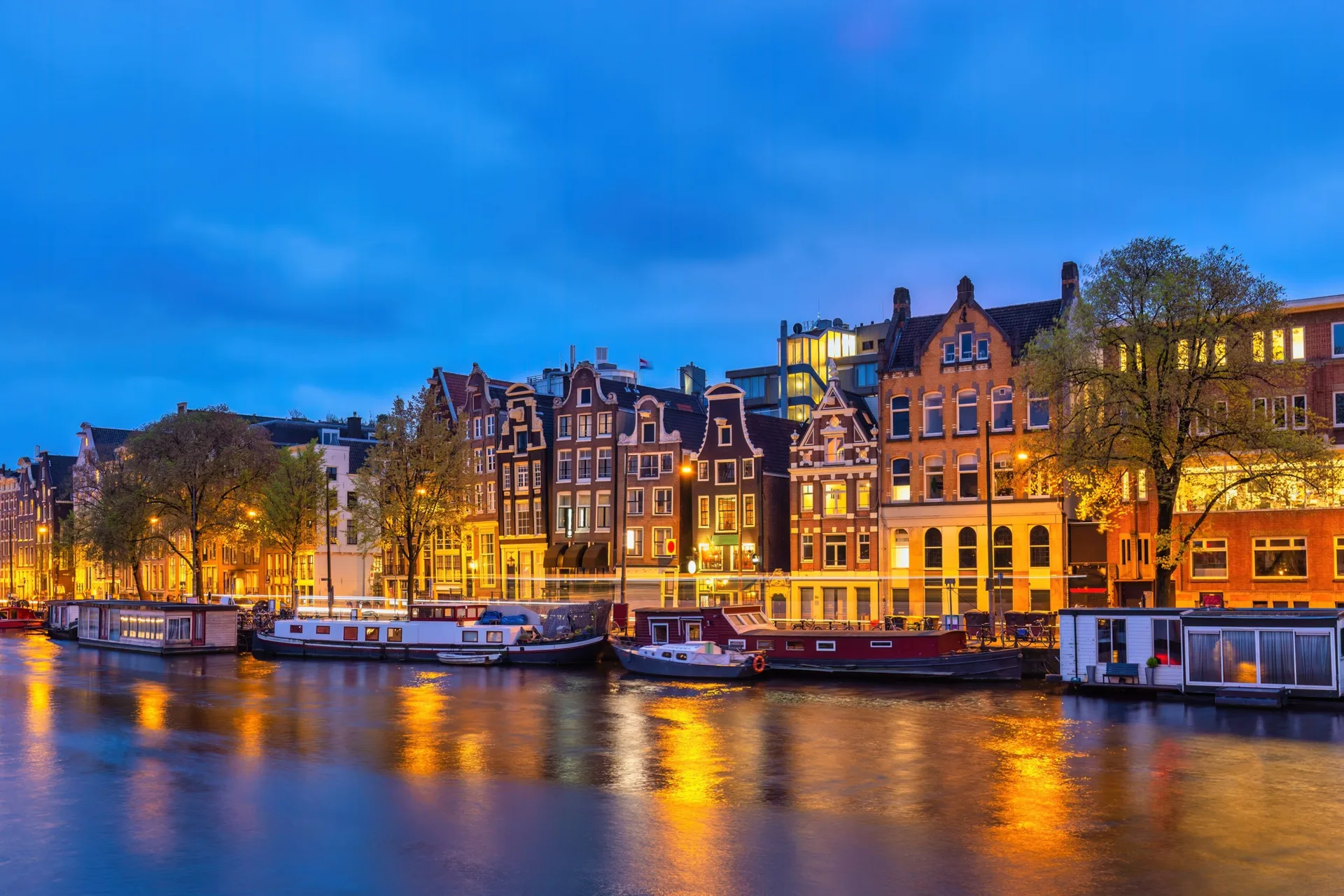
Welcome to Amsterdam, a city that effortlessly blends historic character with a dynamic, modern edge. From its photogenic canals and bridges to its historic homes, Amsterdam could be considered straight out of a fairytale, complete with brightly-colored bicycles and tulip stands. But beyond the daytime beauty, the city truly comes alive after dark, offering a diverse nightlife that caters to every mood, whether you're seeking a cozy brown cafe or an energetic electronic music club.
This guide isn't just about what to see; it's about how to experience Amsterdam, covering the essential logistics for a smooth and enjoyable trip, day and night. We'll try everything from when to visit and how to get around, to budgeting, staying safe, and navigating the city's busy bar hopping scene like a local.
Some links on this page are affiliate links — we may earn a commission at no extra cost to you.
Best Time to Visit Amsterdam
Choosing the right time to visit Amsterdam can significantly impact your experience. The city has distinct charms in every season, but each comes with its own considerations regarding weather, crowds, and prices.
Spring (April to May): This is arguably the most popular time, and for good reason. The weather is generally mild, tulips are in bloom, and the city feels fresh. King's Day (April 27) is a massive street party, but expect huge crowds and limited public transport. If you're looking to address bar hopping, spring evenings are pleasant for moving between venues. Prices for flights and accommodation can be higher due to demand.
Amsterdam Cocktail Week
When: March 27 to April 5, 2026
Explore the city's innovative cocktail culture with special menus and events at 23 participating bars. A fantastic time to see new favorites and enjoy bespoke drinks.
Summer (June to August): Expect warm weather, long daylight hours, and the biggest crowds. Accommodation and flights are at their peak prices. Many outdoor events and canal-side terraces are busy, making for great daytime and early evening experiences. For electronic music fans, Thuishaven operates as an open-air festival space during these months.
SAIL Amsterdam 2025
When: August 20 to 24, 2025
This five-day maritime spectacle fills the IJ harbour with tall ships, offering nightly fireworks, live concerts, and boat parties. A unique, grand event if your visit aligns!
Autumn (September to October): The crowds thin out, and the weather remains pleasant, often with crisp, sunny days. Fall foliage adds a beautiful touch to the city's parks and canals. Prices for travel and lodging begin to drop. It’s a great balance of fewer tourists and comfortable conditions for exploring on foot or by bike, and the indoor nightlife scene starts to pick up as temperatures cool.
Winter (November to March): This is the quietest and most affordable season. Expect cold weather, often rain, and shorter days, but also the character of festive lights and cozy "brown cafes." The Amsterdam Light Festival runs from December to January, illuminating the canals. While outdoor bar hopping might be less appealing, the city's clubs and traditional pubs offer a warm escape.
How to Get to Amsterdam
Most international travelers arrive at Amsterdam Airport Schiphol (AMS), one of Europe's busiest hubs. It's well-connected and efficiently run.
From Schiphol Airport to the City Center:
The easiest and most recommended way to reach the city center from Schiphol is by train. Direct trains run frequently (every 10-15 minutes) to Amsterdam Centraal Station, taking about 15-20 minutes. A one-way ticket costs around €4.90. You can purchase tickets at the yellow machines in the main hall or at the ticket counters.
For those with an early flight or who prefer to stay near the airport, hotels like Ibis Budget Amsterdam Airport offer a practical solution. With a rating of 3.6/5 from 2850 reviews, it's a popular choice for budget-conscious travelers. They provide a free roundtrip airport shuttle service, running from 4:00 AM to 1:00 AM, which is incredibly convenient for early departures or late arrivals.
Getting Around Amsterdam
Amsterdam is a remarkably walkable city, and its compact center makes exploring on foot a joy. Still, for longer distances or when your feet need a rest, the public transport system is excellent.
Walking: Many of Amsterdam's key attractions, shops, and nightlife spots are within walking distance of each other. This is especially true for bar hopping in central districts like Jordaan or De Pijp. Walking allows you to spend time on the street, admire the architecture, and see hidden alleys.
Cycling: Amsterdam is synonymous with bicycles. Renting a bike is a fantastic way to feel like a local, but be aware that cycling in the city can be intense, with dedicated bike lanes and confident local riders. If you're planning to address bar hopping, remember that drinking and cycling is illegal and dangerous. Always lock your bike securely.
Public Transport: The GVB operates an extensive network of trams, buses, metros, and ferries.
* Trams: The most common way to get around the city center.
* Metro: Connects the city center with outer districts.
* Buses: Useful for areas not served by trams or metros, and for night services.
* Ferries: Free ferries depart from behind Centraal Station to Amsterdam Noord.
For a comprehensive overview of the city, especially if you're short on time or want to orient yourself, a hop-on hop-off tour can be a good starting point. City Sightseeing Amsterdam offers both bus and boat tours. With a rating of 3.6/5 from 1816 reviews, it provides a flexible way to see major sights. A 24-hour bus ticket starts around €29.50, and a combo bus and boat ticket is approximately €40.37. Just note that buses don't operate on King's Day (April 27).
Budget Breakdown for Your Amsterdam Trip
Amsterdam can be an expensive city, but smart planning allows you to manage your costs. Here’s a general breakdown for 2026:
Accommodation:
* Budget (Hostels, Ibis Budget): €30-€80 per night for a hostel bed or basic hotel outside the center. Ibis Budget Amsterdam Airport offers rooms from $81 – $228, depending on the season and booking lead time.
* Mid-Range (3-4 star hotels): €100-€200 per night for a comfortable hotel in a good location.
* Luxury (5-star hotels): €250+ per night. The Sofitel Legend The Grand Amsterdam, rated 4.7/5 from 3955 reviews, exemplifies a luxurious stay. It offers opulent settings and is often considered one of the city's finest, located centrally near many upscale cocktail bars.
Food & Drink:
* Breakfast: €5-€15 (bakery, supermarket, cafe).
* Lunch: €10-€20 (sandwich shop, casual cafe, street food).
* Dinner: €20-€40+ (mid-range restaurant).
* Beer/Wine: A glass of beer typically costs €6-€8 (a 0.5L draught around €6.50, a 25cl Heineken draught €3.50). A glass of wine is €7.50-€9.
- Club Entry: Expect to pay €10 to €25 for club entry, especially for popular electronic music venues.
- Coffee/Soft Drinks: €3-€5.
- Daily Budget Estimates (excluding accommodation):
- Budget Traveler: €40-€70 per day (supermarket meals, public transport, free attractions).
- Mid-Range Traveler: €80-€150 per day (mix of casual and mid-range dining, some paid attractions, public transport/bike rental, a few drinks out).
- Luxury Traveler: €200+ per day (fine dining, private tours, taxis, extensive bar hopping).
Remember that Amsterdam adds a tourist tax of 12.5% to the cost of accommodations per night, so factor that into your planning.
Safety Tips for Amsterdam
Amsterdam is generally a safe city, but like any major tourist destination, it has its share of petty crime, especially in crowded areas. Being aware and taking precautions will ensure a smooth trip, particularly when you're out exploring the nightlife.
General Awareness:
* Pickpockets: Be vigilant, especially in busy spots like Centraal Station, Dam Square, Red Light District, and on crowded trams. Keep your valuables secure and out of sight. A cross-body bag or money belt is always a good idea.
* Bicycles: Be mindful of cyclists. They have right-of-way on bike paths, and collisions can be serious. Look both ways, and avoid walking in bike lanes.
* Scams: Be wary of people offering "deals" on the street or trying to sell you things. Stick to legitimate businesses.
Nightlife and Bar Hopping Safety:
Amsterdam's night culture is evolving, with a focus on safety and diversity. Here's the catch: when you're out bar hopping, a few extra precautions are wise.
* Drinks: Never leave your drink unattended. If someone offers you a drink, be cautious.
* Stay in Groups: Especially late at night, try to stick with friends. If you're solo, let someone know your plans.
* Transportation: After a night out, use licensed taxis (look for blue number plates on the roof), ride-sharing apps, or reliable night buses. Avoid unlicensed cabs.
* Drugs: While "coffee shops" sell cannabis legally, harder drugs are illegal and dangerous. Do not buy drugs from street dealers. Be aware of the potency of products from coffee shops, especially edibles, and consume responsibly. Public consumption of cannabis is generally tolerated in designated coffee shops but can lead to fines elsewhere.
* Red Light District: This area is generally safe but can be very crowded. Photography of the windows and sex workers is strictly forbidden and can lead to confrontation. Respect local customs and privacy.
Exploring Amsterdam's Neighborhoods
Amsterdam is a city of distinct neighborhoods, each with its own character and appeal. When planning your bar hopping adventures, knowing where to go can make all the difference.
Jordaan
Historic character, canals, and traditional "brown cafes." Perfect for a relaxed evening.
Leidseplein
High-energy square with mainstream clubs, live music, and late-night options.
Rembrandtplein
Mix of commercial venues, cocktail bars, and larger clubs.
De Pijp
Bohemian vibe, popular for cocktail and wine bars, and diverse dining.
Amsterdam Noord
Industrial spaces, underground electronic music clubs, accessible by free ferry.
Reguliersdwarsstraat
Known for LGBTQ+ friendly bars and sophisticated cocktail lounges.
Jordaan: This historic, photogenic area is ideal for a more laid-back bar hopping experience. You'll find pleasant canal-side pubs and traditional "brown cafes" like Café 't Smalle. It's perfect for savoring local beers and jenever in a cozy atmosphere.
Leidseplein: If you're seeking high energy, mainstream clubs, and live music, Leidseplein is your destination. Venues like Mel
weg and Paradiso are nearby, offering diverse concerts and electronic music nights. For a newer spot, Basement on Leidseplein 19 focuses on house music with intimate sets and a killer sound system, opening from 10 PM till late.
Rembrandtplein: This square offers a mix of commercial bars, dance clubs, and cocktail lounges. It's a busy area, often frequented by tourists and locals alike, with options like Club NYX featuring multiple floors and music genres.
De Pijp: Known for its bohemian atmosphere, De Pijp is popular for its array of cocktail and wine bars. It's a great spot for a more sophisticated evening out, with plenty of diverse dining options to start your night.
Amsterdam Noord: Cross the IJ river via a free ferry from Centraal Station to see Amsterdam Noord. This district is a hub for underground electronic music, housed in industrial spaces. Clubs like Shelter, located beneath the A'DAM Tower, are renowned for radical techno and deep house, operating until 6 AM on weekends. Garage Noord is another gritty, inclusive venue with a 24-hour license, focusing on experimental club music.
Reguliersdwarsstraat: This street is famous for its busy LGBTQ+ nightlife and is also home to some of the city's best cocktail bars, including the hidden speakeasy Door 74.
Packing List Essentials for Amsterdam
Packing smart for Amsterdam means being prepared for various weather conditions and activities, from daytime exploring to late-night bar hopping.
Clothing:
* Layers: Amsterdam weather can change quickly. Pack layers you can easily add or remove.
* Waterproof Outerwear: A good quality waterproof jacket or umbrella is essential, especially outside of summer.
* Comfortable Walking Shoes: You'll be doing a lot of walking or cycling. Choose comfortable, broken-in shoes.
* Casual Attire: Most places in Amsterdam are relaxed. Jeans, t-shirts, and sweaters are perfectly acceptable for daytime and most casual evening spots.
* Slightly Dressier Outfit: If you plan on visiting upscale restaurants or cocktail bars like Flying Dutchmen Cocktails or LuminAir, a smart-casual outfit would be appropriate. Most clubs are quite relaxed, but some higher-end spots might appreciate a more polished look.
* Warm Accessories (Winter): Hat, gloves, and a scarf are crucial for winter visits.
Documents & Money:
* Passport/ID: Always carry a form of identification.
* Credit/Debit Cards: Visa and Mastercard are widely accepted. Some smaller shops or cafes may be cash-only, so have some euros on hand.
* Travel Insurance: Highly recommended for any international trip.
Health & Toiletries:
* Prescription Medications: Carry these in their original packaging with a copy of your prescription.
* Basic First-Aid Kit: Band-Aids, pain relievers, antiseptic wipes.
* Sunscreen (Summer): For sunny days, especially if you're out on the canals or cycling.
Electronics:
* Universal Travel Adapter: The Netherlands uses Type F (Schuko) sockets, which are compatible with Type C plugs, with a standard voltage of 230V and frequency of 50Hz.
* Portable Charger: Essential for keeping your phone charged while navigating, taking photos, and using public transport apps.
* Smartphone: For maps, translation, tickets, and communication.
Quick Facts: Amsterdam
- Currency: Euro (€)
- Language: Dutch, but English is widely spoken
- Time Zone: Central European Time (CET), UTC+1
- Plug Type: Type F (two round pins)
- Emergency Number: 112
Local Customs & Etiquette in Amsterdam
Understanding a few local customs can enhance your experience and help you connect more smoothly with the Dutch.
Greetings:
* A handshake is common when meeting someone for the first time.
* Among friends and family, three kisses on alternating cheeks are typical.
* "Hallo" (hello) or "Goedendag" (good day) are standard greetings.
Punctuality:
* The Dutch value punctuality. If you're running late for an appointment or dinner, it's polite to notify the other party.
Dining Etiquette:
* Tipping: Tipping is not as ingrained as in some other countries. A service charge is usually included. For good service, rounding up to the nearest euro or leaving 5-10% is appreciated but not obligatory.
* Splitting Bills: It's common to split bills evenly or pay for exactly what you consumed.
"Brown Cafes": These traditional pubs are about gezelligheid* (coziness/conviviality). They're for conversation and enjoying a drink, not necessarily for quick service. Don't rush.
Cycling Culture:
* Respect cyclists and their dedicated lanes. Never walk in a bike lane.
* Be cautious when opening car doors or stepping out from behind parked cars, as cyclists may be approaching quickly.
Cannabis & Coffee Shops:
Cannabis is tolerated*, not fully legal. It can only be purchased and consumed in licensed "coffee shops."
* Do not consume cannabis in public spaces outside of coffee shops.
* Do not try to take cannabis out of the Netherlands.
* Remember that "coffee shops" sell cannabis, while "cafes" or "koffiehuis" sell coffee and food.
General Politeness:
* The Dutch are generally direct and open communicators. Don't mistake directness for rudeness; it's often just efficiency.
* Be mindful of noise levels, especially in residential areas, particularly late at night when you're returning from a night out.
By keeping these practical tips and cultural insights in mind, you're well-equipped to navigate Amsterdam, from its pleasant canals to its busy nightlife, making your trip both enjoyable and respectful.
Practical Tips for Your Amsterdam Trip
- Book Accommodations Early: Especially during peak seasons (spring, summer, major events), hotels fill up quickly and prices rise. Booking several months in advance can save you money and secure your preferred location.
- Museum Tickets Online: For popular attractions like the Anne Frank House or Rijksmuseum, purchase timed-entry tickets online well in advance. This saves you hours of queuing. The official tourist information point at Amsterdam Centraal Station can also assist with tickets.
- Learn a Few Dutch Phrases: While English is widely spoken, a few basic Dutch phrases like "Dank u wel" (thank you very much) and "Alstublieft" (please/you're welcome) will be appreciated.
- Mind the Tourist Tax: As of 2026, Amsterdam's tourist tax is 12.5% of the accommodation cost per night. Factor this into your budget.
- Use Public Toilets: Public toilets are available in train stations, department stores, and some larger parks. Many cafes and bars have toilets for customers. You might need to pay a small fee (around €0.50-€1) to use them.
- Stay Hydrated: With all the walking, cycling, and bar hopping, it's easy to get dehydrated. Carry a reusable water bottle; tap water in Amsterdam is safe to drink.
- Carry Small Bills/Coins: While cards are widely accepted, small cash amounts are useful for market stalls, public toilets, or smaller cafes.
FAQ
What's the best way to address bar hopping in Amsterdam for a first-timer?
Start by choosing a district that matches your vibe – Jordaan for cozy brown cafes, Leidseplein or Rembrandtplein for high energy, or De Pijp for cocktails. Plan to walk between venues within your chosen area, and consider an early start to enjoy different atmospheres as the evening progresses.
Is it safe to go bar hopping alone in Amsterdam?
Amsterdam is generally safe, but like any city, exercise caution. Stick to well-lit, populated areas, and let someone know your plans. Trust your instincts, don't leave drinks unattended, and use licensed taxis or ride-sharing apps to get home safely.
What are the typical closing times for bars and clubs in Amsterdam?
Most bars and brown cafes close around 1 AM on weekdays and 2 AM on weekends. Clubs often have later licenses, with many staying open until 3 AM or 4 AM, and some electronic music venues in areas like Amsterdam Noord operating until 6 AM on Fridays and Saturdays.
Can I use public transport late at night after bar hopping?
Yes, GVB operates night buses that cover many routes after regular tram and metro services stop. Check the GVB app or website for schedules. Taxis and ride-sharing services are also readily available, though more expensive.
What's the difference between a "coffee shop" and a "cafe" in Amsterdam?
This is crucial! A "coffee shop" is a licensed establishment where you can legally purchase and consume cannabis. A "cafe" or "koffiehuis" is a regular establishment that serves coffee, drinks, and often food. Be sure you know which type of establishment you're entering based on your intentions.
Are there any specific dress codes for Amsterdam's nightlife?
Most bars and clubs in Amsterdam have a relaxed dress code. Smart casual is generally acceptable everywhere. Some high-end cocktail bars might appreciate a slightly more polished look, but you rarely need formal attire. Comfort is key, especially if you plan to dance.