

Amsterdam runs on bicycles. With more bikes than residents, the city's cycling culture is both iconic and intimidating for first-time visitors. The good news? You can absolutely navigate Amsterdam by bike confidently—if you understand the rules before you start pedaling.
Every year, thousands of tourists rent bikes and immediately find themselves in tense situations with locals. The problem isn't ability. It's that Amsterdam cycling follows specific, often unspoken protocols that differ from almost anywhere else. Here's what you need to know to ride safely, avoid conflict, and actually enjoy the experience.
Why Cycling Etiquette Matters More in Amsterdam Than Anywhere Else
In Amsterdam, cyclists aren't just road users—they're the dominant road users. The city's infrastructure prioritizes bikes, and locals have developed a precise, efficient system of movement that keeps thousands of riders flowing daily through narrow streets and over bridges.
When you don't follow the system, you don't just annoy people. You create genuine safety hazards. Amsterdam's bike lanes are narrow, crowded, and fast-moving. A tourist who stops unexpectedly, weaves, or rides against traffic forces locals to brake suddenly, swerve, or risk collisions.
Recent visitors to guided bike tours consistently report that the biggest challenge isn't physical—it's understanding the flow. Tour guides repeatedly emphasize that riding predictably matters more than riding fast. Locals can anticipate experienced riders. They cannot anticipate erratic ones.
The Unwritten Rules: What Locals Expect You to Know
The Right Side Is the Only Side
Amsterdam's bike lanes are one-way. This seems obvious, but tourists frequently ride against traffic, especially when they see a destination across the street. Riding against the flow is dangerous and will earn you angry bell rings and stares.
Always check for the bike lane markings on the pavement. Red-colored asphalt typically indicates a bike path. If you're unsure whether a lane is one-way, look at how parked bikes are angled or watch the direction other cyclists are moving.
The Bell Is a Communication Tool, Not an Accessory
Dutch cyclists use their bells constantly—but not rudely. A quick ring means "I'm passing on your left" or "I'm here, don't move suddenly." It's a warning, not a complaint.
When you hear a bell behind you, hold your line. Do not look around or swerve. The ringing cyclist has already planned their pass and expects you to stay predictable.
Never Stop in the Bike Lane
This is the single most common tourist mistake. You see something interesting, you stop to take a photo—and you create a traffic jam of angry cyclists behind you.
If you need to stop, pull your bike completely out of the lane, onto the sidewalk or into a designated parking area. Even better: find a spot where you can stand with your bike off the path entirely.
Reviewers of Amsterdam's small-group bike tours frequently mention that guides are vigilant about this exact issue. One recent traveler noted that their guide was "always attentive to potential hazards along the route," which is precisely what you need—someone watching for the moments when you might instinctively stop.
Renting a Bike: What to Look For
Choose the Right Bike for Your Skill Level
Amsterdam rental bikes come in two basic varieties: traditional Dutch bikes with coaster brakes (pedal backward to stop) and more familiar bikes with hand brakes.
If you haven't ridden in years, choose hand brakes. Coaster brakes take getting used to, and the last thing you need in busy traffic is fumbling for the braking mechanism. Most rental shops will ask about your experience level—be honest.
Locking: The Non-Negotiable Habit
Amsterdam has a legendary bike theft problem. You will need two locks: one for the frame and one for the front wheel. Rental shops typically provide both, but always confirm before you leave.
When locking, find a designated bike rack or a solid object like a bridge railing. Never lock to trees, lampposts in restricted areas, or in front of building entrances. The city's bike removal teams are efficient, and retrieving an impounded bike costs time and money.
Know Your Rental Shop's Policies
Before renting, ask about what happens if your bike gets damaged or stolen. Some shops offer insurance for a small daily fee. Others hold a deposit. Understanding the terms prevents unpleasant surprises at the end of your trip.
The Best Way to Learn: Take a Guided Bike Tour First
If you're nervous about cycling in Amsterdam, consider taking a guided tour on your first day. This accomplishes two things: you learn the city's layout and traffic patterns safely, and you get comfortable on a bike in Amsterdam's unique environment.
What a Good Tour Teaches You
Quality bike tours don't just show you sights—they teach you how to ride in Amsterdam. Guides demonstrate proper lane positioning, explain how to navigate busy intersections, and show you quieter routes that avoid the chaos of the city center.
The Guided Bike Tour of Amsterdam's Highlights & Hidden Gems receives consistently strong reviews for exactly this reason. Recent travelers praise guides who balance sightseeing with safety instruction. One reviewer noted the tour was "pretty easy riding" while still providing "so much wonderful information" about the city.
This tour's small group size (maximum 12 participants) means your guide can give personal attention to your riding skills. That's valuable if you're still building confidence.
The Small-Group Advantage
Smaller groups mean less time waiting at intersections for everyone to catch up, and more time actually riding. They also mean your guide can better monitor traffic and keep the group safely together.
What About the Canal Cruise Combo?
Some tours combine cycling with a canal cruise, giving you two perspectives on the city in one outing. The Amsterdam Small-Group Bike Tour with Optional Canal Cruise covers about 20% of the city that's inaccessible on foot, riding on quieter lanes away from the busiest areas.

Combo Ticket: Heineken Experience Amsterdam and 1h Canal Cruise
Discover Amsterdam in full: This unmatched combination ticket is your key!
Book on ViatorThis option works well if you want the cycling experience but prefer a less intense route. The 2.5-hour format gives you a solid introduction without exhausting you on your first day.
Navigating Specific Amsterdam Cycling Situations
The Damrak and Centraal Station Area
This is Amsterdam's cycling gauntlet. Trams, pedestrians, cyclists, and taxis all compete for space. The bike lanes here are wide but chaotic. If you're not confident, walk your bike through this area instead. It's acceptable and common.
Tram Tracks: The Hidden Danger
Crossing tram tracks at an angle is essential. Hit them parallel, and your front wheel can get caught, sending you over the handlebars. Always cross tracks at as close to a 90-degree angle as possible.
The Canal Ring Bridges
Amsterdam's bridges are narrow, and many don't have separate bike lanes. When crossing, stay alert for pedestrians stepping into the road and for oncoming cyclists. Many bridges have blind corners where you cannot see approaching traffic.
Vondelpark and Quiet Zones
Once you're comfortable, Vondelpark is a lovely place to practice. The park's paths are shared between cyclists and pedestrians, with separate lanes in many sections. It's also where many locals go for relaxed weekend rides.
What to Wear (and Not Wear)
Practical Clothing Matters
Amsterdam's weather changes quickly. A light rain jacket is essential, even in summer. Layering works best because you'll warm up quickly once riding.
Avoid loose scarves, long flowing skirts, or anything that could catch in your bike's wheels. Wear closed-toe shoes—flip-flops and bike pedals don't mix well.
Helmets: The Cultural Exception
Here's the honest truth: locals rarely wear helmets in Amsterdam. Cycling is slow, infrastructure is safe, and helmet use is uncommon. However, if you're not an experienced cyclist, wearing one is a reasonable personal choice.
No one will judge you for wearing a helmet. Some locals might assume you're a tourist, but that's already obvious. Prioritize your safety over cultural conformity.
Visibility Is Non-Negotiable
Amsterdam can get dark and rainy. If you're cycling after sunset, your bike must have working front and rear lights. Rental shops include these, but check them before heading out. Wearing bright or reflective clothing also helps, especially in the darker winter months.
Common Tourist Mistakes and How to Avoid Them
The "Look at Me" Cyclist
Resist the urge to wave at friends, point at landmarks, or ride with one hand while filming with your phone. Amsterdam's bike lanes require both hands and full attention. If you want photos, pull over safely first.
The Hesitant Rider
Nothing frustrates locals more than a cyclist who stops at every intersection, even when they have the right of way. In Amsterdam, the flow is continuous. If you have a green light or no traffic, keep moving. Hesitation creates unpredictability, and unpredictability causes accidents.
The Wrong-Way Wanderer
If you accidentally find yourself riding against traffic, don't panic. Stop, carefully dismount, and walk your bike to the correct side. Never try to turn around mid-lane or ride against the flow to reach a destination.
The Sidewalk Cyclist
Bike lanes are for bikes. Sidewalks are for pedestrians. Riding on the sidewalk is illegal and will earn you fines or angry words. If you're unsure where to ride, look for the red asphalt or bike symbols painted on the ground.
Food Stops and Bike Parking
Where to Park Your Bike
Amsterdam's many food tours and walking tours highlight the city's culinary scene, but if you're cycling, you need to know where to park. Look for designated bike parking areas, which are common near major attractions and shopping streets.
Never park your bike against a storefront or in a building entrance. You'll likely return to find it moved—or gone.
Bike-Friendly Cafés and Restaurants
Many Amsterdam cafés and restaurants have bike racks outside. If you're unsure, ask before locking up. Some places have specific areas for customer bikes and will appreciate you using them.
Combining Cycling with Food Tours
If you want to experience Amsterdam's food scene without worrying about bike parking at every stop, consider a walking food tour instead. The Amsterdam Food and Cultural Tour with 10 Tastings has earned perfect ratings from nearly 6,000 reviewers, making it one of the city's most beloved experiences.
This tour lets you focus entirely on the food and culture without the logistical stress of managing a bike. Recent reviewers consistently mention the quality of the tastings and the guide's knowledge.
Similarly, the Amsterdam Food Tour: Authentic Dutch Tastings, Canals & Culture pairs local foods with neighborhood history.
Both tours offer the culinary experience without the cycling logistics.
When to Walk Instead of Ride
Cycling isn't always the best option in Amsterdam. The city center's narrow streets, especially around the Red Light District, are often too crowded for comfortable biking. During peak tourist season, you'll frequently walk your bike more than you ride it.
For introductory sightseeing, consider a walking tour first. The Absolutely Amsterdam tour with FreeDam Tours uses a tip-based model and covers the city's history and culture on foot.
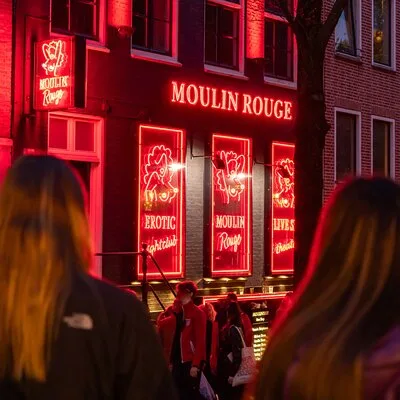
Amsterdam Red Light District Walking Tour in EN/DE/IT/ES/FR
Discover Amsterdam's famous red light district on a critical and informative 1.5-hour tour with an English, German…
Book on ViatorThis approach lets you learn the city's geography before you attempt to navigate it on two wheels. Understanding where things are relative to each other makes cycling significantly easier.
Practical Tips
FAQ
Do I need to wear a helmet cycling in Amsterdam?
Helmets are not required by law and most locals don't wear them. However, if you're an inexperienced cyclist, wearing one is a sensible personal choice. No one will judge you.
Is it safe to cycle in Amsterdam as a tourist?
Yes, if you follow the rules and stay alert. The infrastructure is excellent, but the volume of cyclists means you need to be predictable. Taking a guided tour first can help you build confidence.
What happens if I get caught cycling on the sidewalk?
You can be fined. Amsterdam police do enforce sidewalk cycling rules, especially in busy areas. Always use designated bike lanes.
Can I rent a bike without prior cycling experience?
Most rental shops will ask about your experience. If you haven't ridden recently, be honest and choose a bike with hand brakes. Consider starting your cycling in quieter areas like Vondelpark.
How do I lock my bike properly in Amsterdam?
Use two locks: one for the frame and one for the front wheel. Lock to a designated bike rack or solid object. Never lock to trees, restricted lampposts, or building entrances.
What should I do if my rental bike gets stolen?
Contact the rental shop immediately. Most shops have procedures for this situation, and some offer theft insurance for a small daily fee. Having documentation of your rental agreement helps.
Some links below are affiliate links — we may earn a commission at no extra cost to you, which helps keep our guides free.