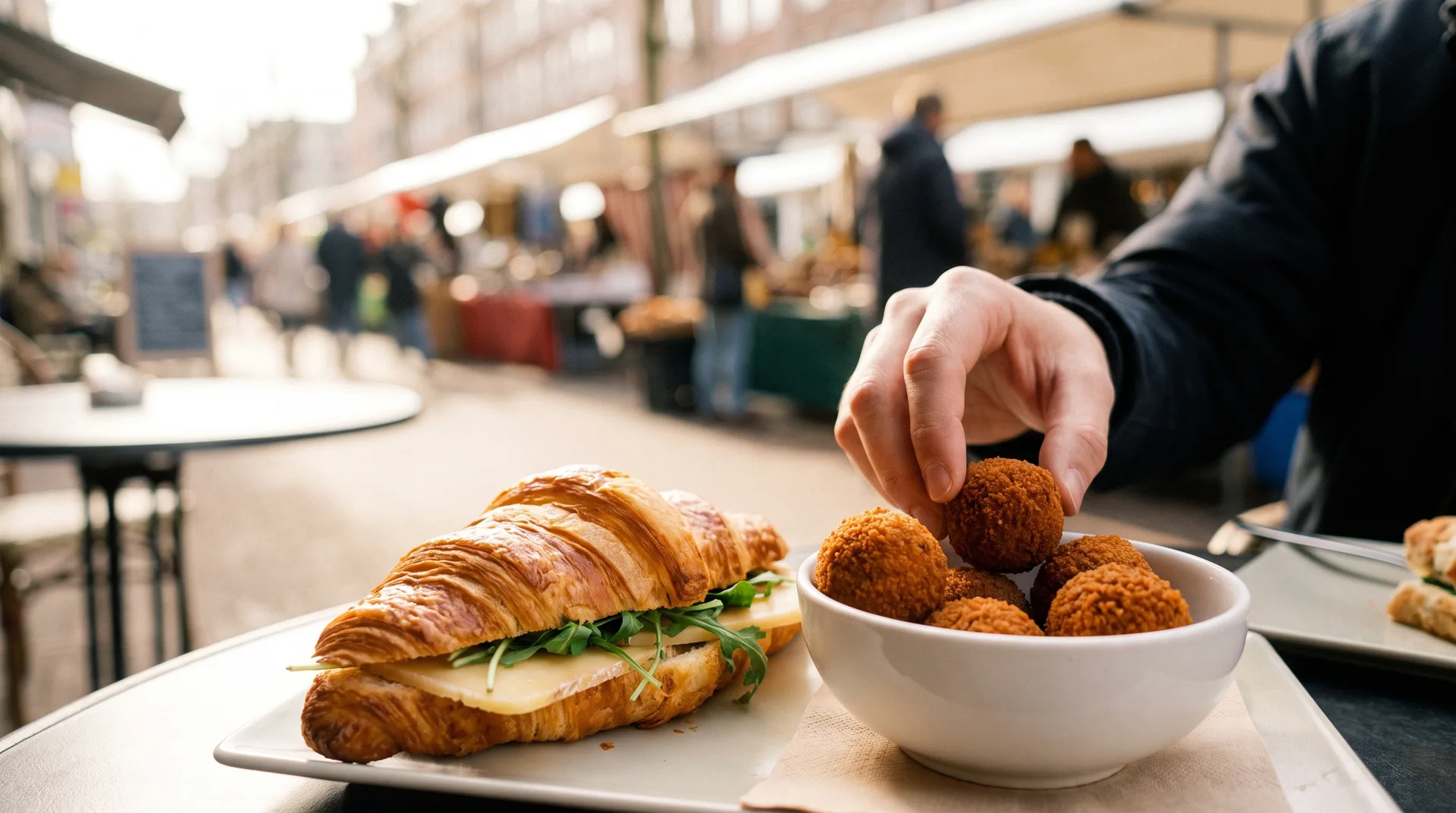
Amsterdam welcomes roughly 20 million visitors a year into a city of under a million residents. That ratio shapes everything: where you eat, what you pay, and whether your trip feels like a theme park or a place where people actually live. This guide skips the postcard stops and focuses on Amsterdam's best neighborhoods for a local vibe — the districts where bakeries outnumber souvenir shops and where you'll hear Dutch spoken at the next table.
The good news is that the city makes this easy. Amsterdam is compact, flat, and covered by a tram network that reaches almost every corner. Most of the neighborhoods below sit within a 15-minute bike ride of the center. The trick is knowing which ones reward a slow afternoon rather than a quick photo stop.
De Pijp: Markets, Migrations, and Everyday Amsterdam
De Pijp sits just south of the canal belt and feels like a city within a city. It grew in the late 19th century as a working-class district, and that practical character survives in the Albert Cuyp Market, which runs six days a week and sells everything from stroopwafels to bicycle chains. Locals shop here for vegetables and cheese at prices well below what you'll find near Dam Square — one of the few places where a mid-trip lunch costs closer to €10 than €25.
The neighborhood's food scene reflects a century of immigration. You'll find Surinamese roti, Turkish bakeries, and Indonesian takeaway counters sharing blocks with Dutch brown cafés. That diversity is exactly why De Pijp rewards visitors who wander without a fixed plan.
Local timing Albert Cuyp Market runs Monday to Saturday, roughly 9:00 to 17:00. Go before 11:00 for the calmest browsing and the freshest produce.
If you'd rather explore at your own pace, the
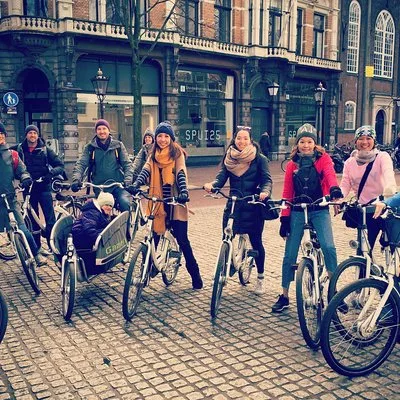
★ 4.9 · 4477 reviews · From €46.25
Small Group Bike Tour! We are proud to have Amsterdam's smallest groups!
Book on Viator
hands you a PDF guide covering six to eight family-run stops for €12.50 (one person) to €22.50 (three or more). Budget an extra €25 per person for tastings. Recent visitors note the format suits independent travelers, though with only 34 reviews it's a newer option than the big group tours.
De Pijp also sits inside the short-stay rental zone where, from April 1, 2026, homeowners can let properties for a maximum of 15 nights per year — down from
- Book accommodation early if you want to base yourself here.
Jordaan: Canals, Courtyards, and Brown Cafés
The Jordaan began as a working-class quarter for immigrants and artisans, and its narrow streets and hidden courtyards still resist easy navigation. That's the point. Getting slightly lost here is how you find the hofjes — small inner courtyards attached to historic almshouses — that most day-trippers never see.
This is also Amsterdam's brown café heartland. These wood-paneled pubs serve beer at €5–€7 and function as living rooms for regulars. Order a jenever at a stand-up bar and you'll be doing what locals have done for centuries.
The canal belt around Jordaan earned UNESCO status, and the neighborhood anchors several food tours. The is a private, personalized walk with 10+ tastings across five local spots in Spui, the UNESCO canals, and Jordaan. At 4.9 stars from 154 reviews, it suits travelers who want a guide's undivided attention — and it includes hotel or ship pickup.
For a group option with a longer track record, the
pairs Dutch tastings with Jordaan's streets and holds 4.9 stars from 2,691 reviews. Both work well if you want the neighborhood's food story explained rather than guessed at.
Oud-West and Foodhallen: Where Locals Actually Eat
Oud-West stretches west of the canal belt along Kinkerstraat and Bilderdijkstraat, and it has become one of the city's most livable districts. The centerpiece for visitors is Foodhallen, an indoor market in a converted tram depot where Amsterdam residents gather for bitterballen, dim sum, and craft beer under one industrial roof.
What makes Oud-West work as a "local vibe" pick is its rhythm. It's residential first. You'll find specialty coffee at €3–€4, independent bookshops, and a Saturday market on Ten Katestraat that feels nothing like a tourist attraction.
For a structured introduction to the city's food culture, the runs a small-group tour with 10+ tastings and two drinks across five local spots in three historic neighborhoods. It holds 4.9 stars from 4,346 reviews and departs hourly between 10:00 and 18:00. At €79 per person booked directly, it replaces a full meal — reviewers frequently mention the portion sizes are generous enough to skip lunch.
If you want the highest-rated option on the board, the carries a perfect 5.0 from 6,417 reviews and has won "Best Food Tour in Amsterdam" three years running. Prices start around €85.56 per adult.
Take the free ferry from behind Centraal Station and you land in Noord, a former shipyard district that has become the city's creative laboratory. The NDSM Wharf, once a working dockyard, now hosts artist studios, a skate park, and festivals in converted industrial halls. It's the rare Amsterdam neighborhood where space feels abundant.
Noord suits travelers who want distance from the crowds without leaving the city. The ferries run frequently and cost nothing, which makes it one of the best-value moves in Amsterdam. Rent a bike for €10–€15 a day and you can cover the waterfront, the Noorderpark, and the striking Eye Film Museum in an afternoon.
The neighborhood is also where the city's bike culture feels most relaxed. The pairs a private guide with a local snack and holds 4.8 stars from 129 reviews. Reviewers often mention that guides show corners of the city they'd never have found alone — Noord's industrial edges included.
De Wallen Beyond the Windows
De Wallen, the Red Light District, is Amsterdam's oldest neighborhood and its most misunderstood. Yes, it's the area around Oudezijds Achterburgwal and the Oude Kerk. It's also a residential district with a 14th-century church, a weekly market, and residents who have campaigned for years against overcrowding and disrespectful behavior.
If you want context rather than spectacle, the
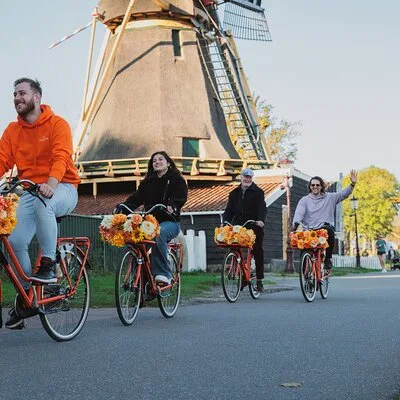
★ 4.8 · 695 reviews · From €54.92
Leave the city behind and enjoy a beautiful 3-hour guided bike tour through the serene Dutch countryside.
Book on Viator
runs a 1.5-hour critical and informative walk in English, German, Italian, Spanish, or French. At 4.8 stars from 499 reviews and around €27–€34 per person, it explains the legal framework, the history, and the realities of sex work in the Netherlands. The Prostitute Information Center (PIC) near the Oude Kerk is free to enter Wednesday to Saturday, 12:00 to 17:00.
Respect the rules Photography of sex workers is prohibited and strictly enforced. Keep to the main streets after dark, and treat De Wallen as a neighborhood where people live, not a spectacle.
Oost and the Eastern Islands: Quiet Waterfront Living
Oost, east of the center, rarely appears on first-trip itineraries — which is precisely its appeal. The Oosterpark draws families and joggers, while the Eastern Islands (Oostelijke Eilanden) offer canalside streets with almost no tourist traffic. The Dappermarkt, open Monday to Saturday, is one of the city's most multicultural markets and consistently cheaper than Albert Cuyp.
This is where you go when you want Amsterdam at human scale. Cafés are cheaper, tables are easier to get, and the pace slows noticeably.
Practical Tips
Getting around: Trams are the default for crossing town. Tap in and out with a contactless card via OVpay, or buy a GVB pass — around €9–€10 for 24 hours, €21.50 for 72 hours.
Bikes: Rentals run €10–€15 per day. Bikes have right of way in bike lanes — stay alert.
Budget: Plan €100–€120 per day for a budget trip and €150–€220 for mid-range, excluding accommodation.
Accommodation: From January 1, 2026, combined VAT and tourism tax pushes the total tax on hotel rooms to roughly 33.5%. Book early.
Eating: Avoid Dam Square, Leidseplein, and Rembrandtplein, where prices run 30–50% higher. De Pijp, Jordaan, and Oost deliver better value.
A few neighborhood-specific habits worth adopting:
- Shop where locals shop. Albert Cuyp and Dappermarkt beat any supermarket near the center on both price and character.
- Book food tours ahead. The highest-rated options sell out, particularly in summer.
- Use the free ferries. They connect the center to Noord at no cost and give you a different view of the waterfront.
- Learn two words of Dutch. "Dank je" goes a long way in a brown café.
FAQ
Which Amsterdam neighborhood feels most local for a first visit?
De Pijp is the easiest entry point. It's central, walkable, and anchored by a genuine daily market. Jordaan works too, but its canal-belt location means more visitors share the streets.
Is Amsterdam Noord worth the ferry ride?
Yes, if you want space and creative energy. The ferry is free, runs frequently, and takes about 15 minutes. NDSM Wharf and the Eye Film Museum justify the trip on their own.
Where should I eat to avoid tourist prices?
Head to De Pijp, Oost, or Oud-West. Albert Cuyp Market and Dappermarkt keep food costs down, and side streets in Jordaan hide affordable brown cafés. Expect a simple lunch around €25 in most neighborhoods, less at markets.
How do I get around these neighborhoods without a car?
Trams, bikes, and your feet. A GVB 72-hour pass costs about €21.50 and covers most routes. Cycling at €10–€15 a day is faster and lets you reach Oost and Noord easily.
Do I need to book food tours in advance?
For the top-rated options, yes. The 10-tasting small-group tour and the 5.0-rated cultural food tour both fill up, especially between May and September. Booking directly often saves money compared to third-party platforms.
Is the Red Light District safe to walk through at night?
Yes, it's a public area patrolled regularly. Go with a guide if you want context, avoid photographing sex workers, and stick to well-lit main streets after dark.
Some links below are affiliate links — we may earn a commission at no extra cost to you, which helps keep our guides free.