

Amsterdam is compact, mostly flat, and surprisingly walkable — but that doesn't automatically mean accessible. Cobblestone lanes, narrow pavements, historic canal houses with steep stairs, and a tram network that predates modern accessibility standards all create real challenges. The good news? The city has been quietly improving. Museumplein's big three are genuinely step-free, canal cruise operators now run adapted boats, and the GVB transit system has wheelchair spaces on every tram.
This guide cuts through the noise. You'll get specific routes, honest assessments of which attractions work (and which don't), and the 2026 updates that actually matter — including the new zero-emission zones and stricter rules on canal boats.
The Hard Truth About Amsterdam's Streets
Let's start with what nobody tells you in the glossy brochures. The Jordaan's charming brick lanes are beautiful and brutal. Many pavements are barely wide enough for a standard wheelchair, and the camber — the slight arch of the street for drainage — can pull your front casters toward the canal. You'll learn to steer diagonally.
Crossings are generally well-designed with dropped kerbs and tactile paving, but tram tracks are your enemy. They sit flush with the road surface, and narrow wheels can catch in the groove. Cross at a sharp angle, ideally at designated crossing points.
The city's famous bridges add another layer. Many have steps, but the major ones — like the Magere Brug and those along the Herengracht — have level access. Use the official [Amsterdam accessibility map](https://www.amsterdam.nl/en/accessibility/) before you head out. It shows step-free routes, accessible toilets, and parking bays for blue badge holders. It's updated regularly and worth bookmarking.
Getting Around: Trams, Buses, and Ferries
Trams: The Workhorse (With Caveats)
Every GVB tram has a designated wheelchair space, and you board at the rear or middle doors where the step is lower. The driver will lower the ramp on request — just wave clearly. The network is extensive, and most major attractions sit within 400 metres of a stop.
The catch? Some stops are island platforms accessed by steps. The GVB website lists which stops are step-free, and it's accurate. The city-centre stops on the Nieuwmarkt, Rokin, and Museumplein lines are fine. The newer low-floor trams on lines 1, 5, and 13 are the most comfortable.
Fares use OVpay — tap a contactless bank card or phone when boarding and alighting. A single cross-town ride costs around €1.50 to €3.00. If you'll ride three or more times in a day, a GVB day ticket at roughly €9 to €10 is better value. Buy it at the GVB ticket machines at major stops or in the app.
Buses and the Airport Run
From Schiphol, the train is step-free and takes 17–20 minutes. The station beneath the terminal has lifts, and Amsterdam Centraal's platforms are level-access. The Airport Express bus 397 is an alternative if you're staying near Leidseplein or the museum quarter — it's a low-floor bus with a ramp.
The Free Ferries
Behind Centraal Station, the free ferries across the IJ to Noord are fully accessible. They run every few minutes, and the ramps are gentle. It's a genuinely enjoyable way to see the city from the water without paying for a cruise.
Museums: Where Amsterdam Actually Excels
Rijksmuseum
The Rijksmuseum is the gold standard for accessibility in Amsterdam. The entire collection is on one level or served by lifts, and the main entrance on Museumstraat has a level threshold. Wheelchairs and mobility scooters are available to borrow free of charge at the information desk — first come, first served.
Tickets cost €25 for adults, with free entry for under-18s, but everyone needs a timed slot booked online. The 09:00 entry or anything after 15:30 is noticeably quieter. The museum is cashless, and the shop stays open until 18:00.
The Gallery of Honour gets crowded by mid-morning. If you use a wheelchair, the viewing platform near the Night Watch is worth seeking out — it gives you sightlines over the crowd.
Van Gogh Museum
Directly across Museumplein, the Van Gogh Museum is equally step-free. The building has lifts to all floors, and the permanent collection is well-spaced. Adult tickets are €27, under-18s free, and the multimedia guide costs €3.75. Book weeks ahead — this place sells out, especially March through October.
The temporary exhibition spaces on the lower floor have tighter circulation. If you're sensitive to crowds, go for the Friday evening opening (until 21:00 during peak season) — it's noticeably calmer.
Anne Frank House
Here's the honest assessment: the Anne Frank House is difficult. The original canal house has steep, narrow staircases, and while there is now a lift for visitors who cannot manage stairs, it doesn't serve the entire route. The main museum route still involves steps. You can request the accessible route when booking, but it operates on a limited schedule.
Tickets are €16.50 for adults, released every Tuesday at 10:00 AM for the week six weeks later. They sell out in hours. If you cannot manage stairs, call ahead and ask about the lift-assisted visit — but have a backup plan.
For tickets and what the tour includes, see our Heineken Experience guide.
Canal Cruises: The 2026 Rules Change Everything
Here's what's new for 2026: Amsterdam has enforced a strict "12 plus one" rule on canal boats — a maximum of 12 passengers and one skipper. That's a significant reduction from previous years, which means fewer crowds on board and more space to manoeuvre a wheelchair. The flip side? Book early. Boats fill up.
Also new: from April 2026, all canal tours must operate emission-free boats. The electric fleet is quieter and cleaner, which makes the experience more pleasant for everyone.
What to Book
The standard 75-minute canal cruise with audio guide is the most accessible option. Prices start around €15.50 online, but expect €20–25 at the counter. The boats have level boarding at most jetties, and the glass-roofed vessels are fully enclosed — good for unpredictable weather. The audio guide covers 20+ languages.
For something more tailored, the Dutch Cheese & Drinks boat tour is a smaller vessel with a more intimate feel. It's rated 5.0 from over 1,000 reviews, and the crew are accustomed to assisting passengers with mobility aids. The cheese board and drinks are included, which takes the edge off the €30–40 price point.
One honest warning from the reviews: some operators oversell. A recent visitor reported that the boat they booked based on photos turned out to be older and less accessible than pictured. Ask the operator directly about boarding ramps and onboard toilet access before you book.
Walking Tours: Choose Your Format Carefully
The Essential Introductory Tour
The Absolutely Amsterdam walking tour — rated 4.9 from over 4,000 reviews — covers the main sights in about two hours. The pace is moderate, and the guides are used to adjusting for slower walkers. The route sticks to the wider streets of the Centrum rather than the Jordaan's narrow lanes. It's a solid choice for a first day.
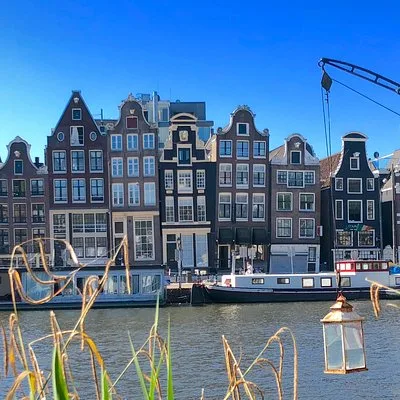
Absolutely Amsterdam - the Essential Introductory Walking Tour
Discover the fascinating history of the most liberal city in the world with FreeDam Tours.
Book on ViatorThe Red Light District: Know Before You Go
The Red Light District has new rules for 2026 that actually help with access. Organized tours are capped at 15 participants and must end by 10 PM. Tours are forbidden from stopping on busy bridges, in front of shop doors, or passing by sex workers' windows. That means less crowding and more space to move.
The district itself is flat and paved, but the crowds on weekends are intense. A recent visitor noted that the tour's value depends heavily on the guide — the 4.8 rating from 456 reviews suggests consistency, but book a morning slot to avoid the worst of the crush.
Go Self-Guided
The scavenger hunt self-guided tour is an underrated option for accessibility. It runs through an app, so you set the pace, take breaks when you need them, and skip sections that don't work for you. It's rated 3.9 from a small sample, but for a wheelchair user or someone with limited stamina, the flexibility is worth more than a guide's commentary. Prices range from roughly €4.50 to €17.50 depending on the provider.
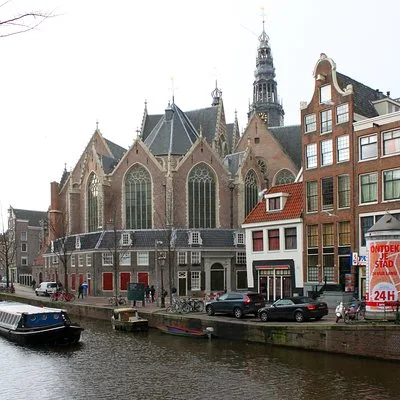
Amsterdam's Red Light District: A Self-Guided Audio Tour
Amsterdam is famous around the world for its liberalism, but its Red Light District is often thought of as a haven…
Book on ViatorFood Tours: The Accessible Exception
The Amsterdam Food and Cultural Tour with 10 tastings is the most accessible food tour in the city — and it's won awards for three consecutive years, including the 2026 Travellers' Choice Best of the Best. The route uses the wider streets around the canals, and the guides are attentive to pacing and rest stops.
At €83–91 per person, it's not cheap, but the 5.0 rating from over 6,000 reviews reflects genuine quality. The 10 tastings and two drinks cover classic Dutch food — bitterballen, herring, stroopwafels, cheese — at local spots that are mostly step-free. The tour group is capped, so you won't be fighting through crowds.
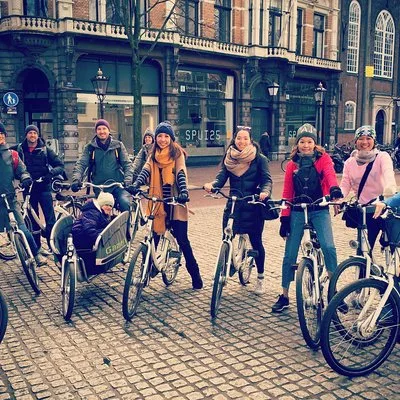
Guided Bike Tour of Amsterdam's Highlights & Hidden Gems
Small Group Bike Tour! We are proud to have Amsterdam's smallest groups!
Book on ViatorIf you'd rather combine food with a cruise, the Eating Amsterdam tour with a private canal cruise is a good alternative. Rated 4.9 from 616 reviews, it splits the experience between walking and boating, which gives your legs a break.
Practical Tips
FAQ
Is Amsterdam wheelchair accessible overall?
Mixed. The museums and major attractions are genuinely step-free, and the tram network has wheelchair spaces. But the historic streets, cobblestones, and canal-side cambers make manual wheelchair use tiring. A power wheelchair or mobility scooter is a significant advantage.
Can I use a standard wheelchair on Amsterdam trams?
Yes. Every GVB tram has a designated wheelchair space, and drivers deploy a ramp on request. Wave clearly at the driver as the tram approaches. Some older stops have steps, so check the GVB accessibility map before boarding.
Are canal boats accessible for wheelchair users?
Many are, but not all. The larger glass-roofed cruise boats have level boarding at most jetties. The 2026 "12 plus one" rule means fewer passengers, which helps with space. Always confirm the boarding ramp and toilet access with the operator before booking.
What's the best time to visit the Rijksmuseum with a mobility aid?
Book the 09:00 entry slot. The galleries are emptier, and you can move through the Gallery of Honour before the crowds build. Alternatively, book after 15:30 — the late-afternoon slot is also noticeably quieter.
Are there accessible toilets in the city centre?
Yes, but they're not abundant. The major museums all have accessible toilets. The city's public toilet network (the green "Plaskrullen") is not accessible. Central Station has accessible facilities, and most larger cafes are legally required to provide them.
Is the Anne Frank House worth attempting with limited mobility?
It depends. The lift-assisted route exists but doesn't cover the entire museum, and it runs on a limited schedule. If stairs are completely out of the question, this may not be the right visit. The Dutch Resistance Museum nearby is fully accessible and offers a similarly moving historical experience.
Some links below are affiliate links — we may earn a commission at no extra cost to you, which helps keep our guides free.