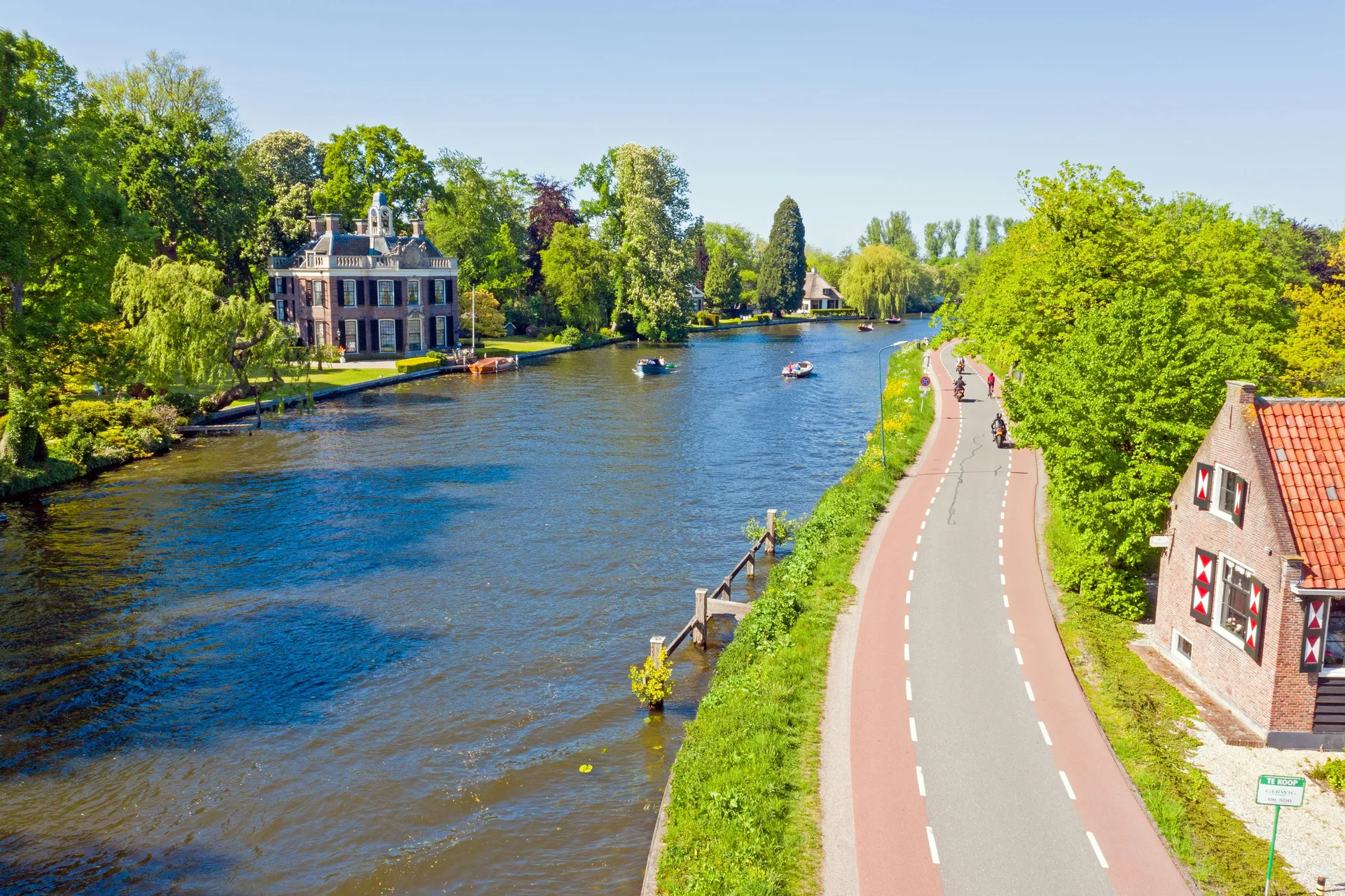
Utrecht province offers a surprising array of outdoor adventures. From the sprawling Utrechtse Heuvelrug National Park to the historic grounds of Kasteel de Haar, get ready to explore the Netherlands' green heart. We've dug into the latest data and traveler reviews to bring you the best hiking and biking experiences in Utrecht for 2026.
Top Hiking & Biking Experiences in Utrecht
1. Utrechtse Heuvelrug National Park
This expansive national park, the second-largest in the Netherlands, is a hiker's paradise. Spanning 159 square kilometers, it boasts a diverse landscape of forests, heathlands, and unique sand drifts, all shaped by the last Ice Age. You can wander through the sloping forest paths of Kaapse Bossen in Doorn, tackle the 9-kilometer route past a watchtower with panoramic views, or start the "Highlight Route" for stunning scenery. With free access and numerous trailheads easily reached by public transport from Utrecht, it’s an ideal spot for a day of immersing yourself in nature.
2. Amelisweerd & Rhijnauwen Estates
Just east of Utrecht city center, the adjacent Amelisweerd and Rhijnauwen estates offer a tranquil escape with rich history. Meander along the photogenic Kromme Rijn river, explore ancient forests, and see historic monuments like Fort Rhijnauwen, the largest fortress of the New Dutch Waterline. A popular 7km hike from Utrecht Lunetten station guides you through enchanting paths, past country houses, and to the pleasant Theehuis Rhijnauwen for a well-deserved break. Keep an eye out for "Podwalks Woudreuzen Oud & Nieuw Amelisweerd" and forest bathing sessions in 2026 for an even deeper connection with nature.
3. Soesterduinen (Soest Dunes)
For a truly unique landscape, head to the Soesterduinen, Utrecht province's largest sand drift area and a declared geological monument. Here, vast stretches of sand meet forests and heath, creating an almost desert-like feel that's perfect for invigorating walks. Choose between the Lange Duinen, offering a 5 km blue route where dogs can roam off-leash, or the quieter Korte Duinen with three marked routes up to 10 km. Recent reviews in early 2026 rave about the "special piece of nature" and "stunning views" over the sand flats, making it a worth seeing for those seeking something different.
4. Kasteel de Haar & Castle Gardens
Step into a fairytale at Kasteel de Haar, the largest castle in the Netherlands, but don't just visit for the opulent interiors. Its extensive park and gardens, spanning 55 hectares, are a destination in themselves for walkers and nature lovers. Wander through meticulously manicured rose gardens, ancient tree-lined avenues, and serene ponds, discovering hidden corners and photogenic vistas at every turn. The grounds offer several walking paths, perfect for a leisurely afternoon stroll. Plan about 3-4 hours to fully appreciate both the castle and its beautiful surroundings. It's an excellent choice for combining cultural exploration with a refreshing walk.
Some links on this page are affiliate links — we may earn a commission at no extra cost to you.
5. Holland Bike Tours
If your idea of exploring involves two wheels, Holland Bike Tours offers an exceptional way to experience the Dutch countryside. With a perfect 5-star rating from over 330 reviews, this operator specializes in multi-day cycling holidays across the Netherlands, often starting from scenic Haarlem with excellent connections to Amsterdam. Whether you prefer a self-guided adventure through historic towns and photogenic villages or a guided tour with luggage transport and pre-arranged accommodations, they cater to all levels. Prices for 2026 vary by tour, but typically include bike rental, hotels, and breakfast. Consider booking for the tulip season in April for an memorable, colorful journey.
6. The Kromme Rijnpad
For a longer, more hands-on walking experience following a historic route, tackle sections of the Kromme Rijnpad. This varied 29-kilometer path stretches between Utrecht and Wijk bij Duurstede, tracing an old towpath alongside the winding Kromme Rijn river. As you walk, you'll pass through pleasant villages, lush farmlands, and serene natural areas. The beauty of the Kromme Rijnpad is its flexibility; you can easily divide it into shorter 7 km stages, making it accessible for a half-day outing or a longer adventure. It's a fantastic way to see the quieter, rural side of Utrecht province.
7. National Military Museum Surroundings
While the National Military Museum itself is an indoor attraction, its location on the former Soesterberg air base offers unique outdoor walking opportunities. The museum grounds are vast, providing a chance to stretch your legs amidst an impressive collection of military hardware set against a backdrop of historic aviation infrastructure. The surrounding area connects to the wider Utrechtse Heuvelrug National Park, meaning you can combine a fascinating historical visit with a refreshing walk. Expect well-maintained paths and plenty of open space to explore.
Kaapse Bossen, Doorn
Sloping forest paths and a panoramic watchtower within Utrechtse Heuvelrug.
Fort Rhijnauwen
Explore the largest fortress of the New Dutch Waterline with a paved perimeter loop.
Lange Duinen, Soest
Walk through unique sand drifts where dogs can run off-leash.
Eendenkooienpad, IJsselstein
A gentle 17 km trail through farms and along the Hollandse IJssel river.
Planning a wider trip? See our complete guide to The Netherlands: Beyond the Postcard – A Guide to Modern Dutch Life & Innovation, Featuring Rotterdam.
Practical Tips for Hiking & Biking in Utrecht
- Best Time to Visit: Spring (April-May) and early autumn (September-October) offer the most pleasant weather for outdoor activities, with mild temperatures (10-20°C) and beautiful scenery. Summer weekends, especially in popular parks like Utrechtse Heuvelrug, can get busy.
- Weather Preparedness: Dutch weather can be unpredictable. Always pack layers and a waterproof jacket, even if the forecast looks clear.
- Footwear: Comfortable, broken-in walking shoes are essential. For longer hikes or trails with varied terrain (like the sand dunes), consider waterproof hiking boots.
- Navigation: Many trails are well-marked, but it's always wise to download offline maps (e.g., AllTrails, Komoot, or Google Maps) to your phone. For Holland Bike Tours, detailed maps and GPS tracks are provided.
- Booking Tickets: For attractions like Kasteel de Haar or the National Military Museum, it's highly recommended to book tickets online in advance for your desired time slot, especially during school holidays or peak season. This ensures entry and helps avoid queues.
- Parking: While many natural areas are free to access, parking often comes with a fee (e.g., €7.50 at Kasteel de Haar and National Military Museum). Consider public transport or cycling to trailheads where possible.
- Accessibility: Many paths in national parks and estates are well-maintained, but some routes, like parts of Amelisweerd & Rhijnauwen, may not be suitable for strollers or wheelchairs. Check specific trail descriptions if accessibility is a concern.
- Stay Hydrated & Fueled: Always carry water and snacks, especially for longer hikes. Many routes will have cafes or teahouses along the way, but it's good to be self-sufficient.
Quick Facts: Utrecht Province
- Language: Dutch (English widely spoken)
- Currency: Euro (€)
- Time Zone: Central European Time (CET) / CEST in summer
- Plug Type: Type C & F (two round pins)
- Best Seasons: Spring & Autumn for hiking/biking
FAQ
Are most hiking trails in Utrecht free to access?
Yes, the vast majority of hiking and walking trails in Utrecht's natural areas and national parks, such as Utrechtse Heuvelrug and Amelisweerd, are completely free to access. You only pay for parking if you arrive by car, or for entry to specific attractions like Kasteel de Haar or museums along a route.
What's the best way to get to the hiking areas from Utrecht city?
Many major hiking destinations are well-connected by public transport. Buses from Utrecht Centraal can take you to various trailheads in Utrechtse Heuvelrug National Park, Amelisweerd, and the Soesterduinen. Cycling is also a popular and scenic option for closer estates.
Can I bring my dog on the hiking trails in Utrecht?
Dog policies vary by location. In many natural areas, dogs are permitted, often on a leash. For example, in Lange Duinen (Soesterduinen), dogs are allowed off-leash, while in Korte Duinen, they must be leashed. Always check local signage or park websites for specific rules before you go.
Are there any guided hiking or biking tours available?
Yes, Holland Bike Tours offers various guided and self-guided cycling holidays that explore the Utrecht region and beyond. While specific guided hiking tours for the region might be less common, some local organizations or estates like Amelisweerd offer special themed walks or "podwalks" (audio-guided tours).
What should I wear for hiking in Utrecht?
Layering is key due to changing weather. Wear comfortable, breathable clothing, and always bring a waterproof and windproof jacket. Sturdy, comfortable walking shoes or hiking boots are essential, especially for longer trails or varied terrain like sand dunes.
Are there facilities like restrooms and cafes along the trails?
In larger national parks and estates, you'll often find visitor centers, cafes, or teahouses, especially near popular trailheads or points of interest like Theehuis Rhijnauwen. But on longer or more remote sections, facilities can be sparse, so it's always wise to carry your own water and snacks.