Ready to explore the Netherlands beyond the well-trodden paths of Amsterdam? This guide is for the independent traveler eager to look at the country's diverse landscapes, busy cities, and unique cultural experiences. From the cosmopolitan flair of the Randstad to the tranquil northern lakes and the rolling southern hills, the Netherlands offers a journey as varied as its famous tulips.
Forget just ticking off tourist boxes. We’ll help you navigate the mix of Dutch life, providing practical advice, current insights, and honest recommendations to make your 2026 trip seamless and truly your own. Let's uncover the best of the Netherlands together.
Unpacking the Netherlands: A Diverse Landscape Awaits
The Netherlands, often mistakenly called Holland, is a small country with a big personality. Known for its iconic windmills, photogenic canals, and busy flower fields, it's also a hub of innovation, art, and international diplomacy. You'll find a blend of historic character and modern design around every corner, powered by an efficient infrastructure that makes independent exploration a breeze.
Whether you're drawn to high-quality museums, the peaceful countryside, or busy city squares, the Netherlands has something for every traveler. And with English widely spoken, you'll find connecting with locals and navigating your way surprisingly easy.
Quick Facts: The Netherlands
- Currency: Euro (€)
- Language: Dutch (English widely spoken)
- Time Zone: Central European Time (CET), Central European Summer Time (CEST)
- Plug Type: Type C & F (two round pins)
Top Regions & Cities to Explore
While Amsterdam often steals the spotlight, the Netherlands is home to many distinct regions and cities, each offering a unique flavor of Dutch life. Venturing beyond the capital allows you to experience different facets of the country, from royal cities to modern architectural wonders and serene natural parks.
Amsterdam & North Holland: The Iconic Heart
Of course, a visit to the Netherlands wouldn't be complete without experiencing Amsterdam. Its pleasant canals, high-quality museums like the Rijksmuseum and Van Gogh Museum, and historic gabled houses are undeniably engaging. While often busy, venturing into its quieter neighborhoods or visiting during shoulder seasons can offer a more relaxed experience. North Holland also boasts photogenic towns like Haarlem and the windmills of Zaanse Schans.
The Hague & South Holland's Coastal Character: A Royal & Diplomatic Hub
Just a short train ride from Amsterdam, The Hague offers a sophisticated contrast. Known as the "City of Peace and Justice" and the "Royal City by the Sea," it blends historical grandeur with international diplomacy and a busy cultural scene. It's also your gateway to the popular Scheveningen Beach.
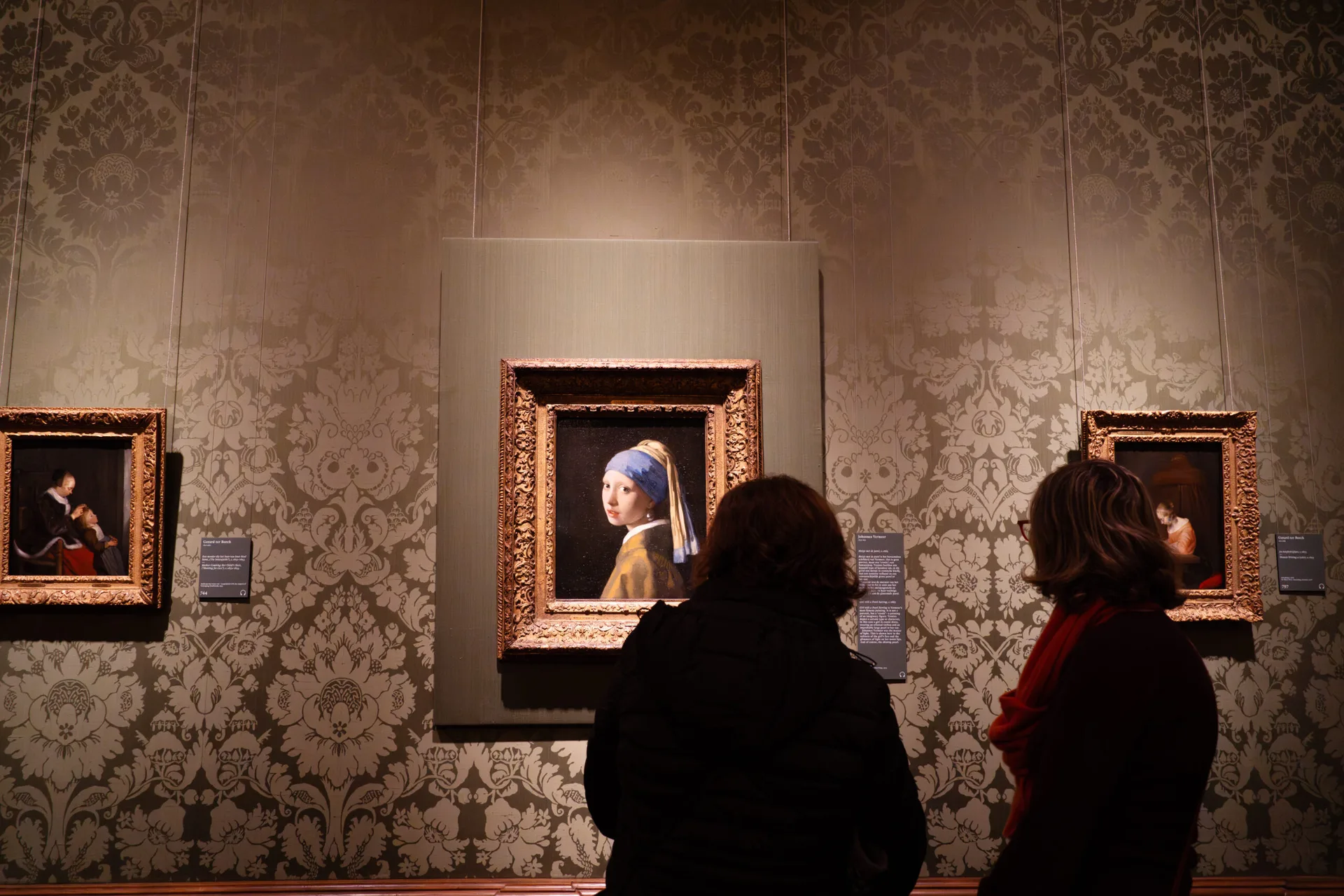
Start your cultural immersion at the Mauritshuis. This compact yet world-renowned museum, situated in a stunning 17th-century palace, houses the very best of Dutch Golden Age painting, including Vermeer's "Girl with a Pearl Earring." A standard adult ticket is €21.00, but from January 1 to June 30, 2026, EU residents can enjoy reduced admission of €4.00 for visits between 4:00 PM and 6:00 PM. Children under 18 enter for free. The Mauritshuis is open Monday 1:00 PM-6:00 PM, and Tuesday-Sunday 10:00 AM-6:00 PM.
The Hague is synonymous with peace, thanks to the Peace Palace. This impressive building houses the International Court of Justice and the Permanent Court of Arbitration. While you can't freely wander the palace, its Visitor Centre offers free interactive displays and an audio tour. To see inside the actual palace, guided tours are mandatory, but they are infrequent, usually on weekends, and require booking several weeks or even months in advance. Tours start at €16.50, and children under 8 are free. The Visitor Centre is typically open Friday-Sunday from 12:00 PM to 5:00 PM. Remember to bring a valid ID for entry!
Some links on this page are affiliate links — we may earn a commission at no extra cost to you.
For a truly unique art experience, head to Escher in The Palace. This museum showcases over 120 prints by M.C. Escher, famous for his impossible buildings and intricate tessellations. The current exhibition, "M.C. Escher & Albert E. Bosman: A Mathematical Connection," runs until June 15, 2025. Another, "Escher & Islamic Contemporary Culture," is scheduled for June 10 to November 1, 2026. General admission is €14.50, with discounts for youth and students. The museum is open Tuesday-Sunday, 11:00 AM-5:00 PM, with some exceptions for public holidays.
Another must-see is Museum Panorama Mesdag, an icon in The Hague. Its absolute highlight is the Panorama of Scheveningen, a cylindrical painting that immerses you in a 360-degree view of the 19th-century fishing village. It's a truly engaging experience, rated highly by over 2,000 travelers.
Looking for something on a smaller scale? Madurodam is a miniature park where you can explore Dutch highlights in one day. From canals to windmills and famous buildings, it's all recreated in incredible detail. Online adult tickets typically range from €22.50 to €24.50. It's open daily, generally from 10:00 AM to 5:00 PM, with extended hours for tour operators in peak season.
Don't forget the Kunstmuseum Den Haag, home to the world's largest collection of Piet Mondrian's works. With a full price admission of €20.00, it's a fantastic spot for modern art lovers, and youth under 19 enter for free. Also, keep an eye out for the Europa Experience, a new, free interactive center about the EU set to open in mid-2026 on Grote Marktstraat.
Beyond The Hague: More Dutch Diversity
Amsterdam
Iconic canals, high-quality museums, busy nightlife.
The Hague
Royal city, international justice, and coastal escapes.
Utrecht
Pleasant canals, student buzz, medieval heart.
Rotterdam
Modern architecture, innovative design, dynamic port city.
Maastricht
Roman history, caves, culinary delights in the south.
Friesland
Lakes, islands, unique language and water sports.
Utrecht & Central Netherlands: This pleasant city rivals Amsterdam with its beautiful canals and medieval center, but with a more relaxed atmosphere. Climb the Dom Tower for panoramic views, or enjoy a canal-side coffee. It's an excellent base for exploring the central region.
Rotterdam & Modern Architectural Marvels: A stark contrast to older Dutch cities, Rotterdam is a beacon of modern architecture and innovation. Explore its unique Cube Houses, visit the busy Markthal, and look at its busy cultural scene.
Limburg & The Southern Hills: Head south to see a completely different landscape. Limburg offers rolling hills, vineyards, and historic towns like Maastricht with its Roman heritage and underground caves. It feels distinctively European.
**Frisian Lakes & The North
Frisian Lakes & The North: For nature lovers, the northern province of Friesland offers expansive lakes, the Wadden Sea islands, and a unique Frisian culture. It's perfect for sailing, cycling, and enjoying a slower pace of life.
Best Experiences for Independent Travelers
The Netherlands offers a range of experiences that go beyond the typical tourist trails. As an independent traveler, you have the freedom to craft an itinerary that truly reflects your interests.
Try Dutch Art & History
Beyond the big names, explore smaller, specialized museums. Consider the Kunstmuseum Den Haag for modern art and Mondrian, or the Rembrandt House Museum in Amsterdam for a more intimate look at the master's life. Many local museums offer fascinating insights into specific regional histories or industries.
Embrace the Outdoors: Cycling & Nature
The Netherlands is a cyclist's paradise, with over 35,000 kilometers of dedicated bike paths. Rent a bike in any city and explore at your own pace.
For a unique experience, visit the Keukenhof Gardens near Lisse (open seasonally, typically March to May) to witness millions of tulips and other flowers in bloom. While popular, visiting on a weekday morning can offer a more tranquil experience.
Culinary Adventures: Beyond the Stroopwafel
Dutch cuisine is more than just cheese and stroopwafels (though you should absolutely try both!). Explore local markets like the Albert Cuyp Market in Amsterdam or the Markthal in Rotterdam for fresh produce, diverse street food, and international flavors. Don't miss trying haring (raw herring), bitterballen (deep-fried meatballs), and exploring the country's growing craft beer scene. Many cities offer food tours that provide a great introduction to local specialties.
Canal Cruises with a Twist
While popular, a canal cruise offers a different perspective. In cities like Utrecht, you can even rent your own small boat for a self-guided tour of the canals, giving you complete control over your itinerary and photo stops.
When to Visit the Netherlands
Choosing the right time to visit can significantly impact your experience. Each season offers its own unique character.
Spring (March-May): This is arguably the most popular time to visit, and for good reason. The country bursts into color with tulips and other flowers, especially in April. Temperatures are mild, making it ideal for cycling and outdoor activities. Expect higher prices and more crowds, particularly around Easter and King's Day (April 27th). Attractions like Escher in The Palace will be closed on King's Day 2026.
Summer (June-August): Warm weather and long daylight hours make summer perfect for enjoying beaches, outdoor festivals, and café terraces. This is peak tourist season, so expect larger crowds and higher prices for accommodation and flights. Book well in advance. Scheveningen Beach is especially busy during this period.
Autumn (September-November): As the crowds thin out, autumn brings cooler temperatures and beautiful foliage, particularly in the forested areas. It's a great time for city breaks and museum visits without the summer rush. You might catch some local harvest festivals.
Winter (December-February): While cold, winter offers a cozy character, especially around Christmas and New Year. Expect festive markets, ice skating rinks, and fewer tourists. Some attractions may have reduced hours, and the weather can be unpredictable, but you'll experience a different, quieter side of the Netherlands.
King's Day 2026
When: April 27, 2026
Join the nationwide celebration of the King's birthday. Cities transform into a sea of orange, with street parties, flea markets, and live music. Many museums and shops will be closed or have limited hours, so plan accordingly.
Budgeting for Your Trip
The Netherlands can be an expensive destination, but smart planning allows for a comfortable trip without breaking the bank.
Accommodation:
* Budget (€50-€100/night): Hostels, budget hotels outside city centers, or guesthouses.
* Mid-range (€100-€200/night): Comfortable hotels, Airbnb apartments, or boutique hotels in good locations.
* Luxury (€200+/night): High-end hotels, unique stays, or prime city center locations.
Food:
* Budget (€10-€20/day): Supermarket meals, street food (like fries or herring), bakeries, and casual cafes.
* Mid-range (€20-€40/day): Casual restaurants, lunch deals, and a few drinks.
* Splurge (€40+/day): Fine dining, multiple-course meals, and frequent restaurant visits.
Transportation:
Public transport is excellent but can add up. Consider an OV-chipkaart (rechargeable public transport card) for convenience, or multi-day travel passes if you plan on extensive use. Bike rental is a budget-friendly and authentic way to get around.
Attractions:
Many museums and attractions have entrance fees. Look into city passes (if applicable for your itinerary) or combination tickets to save money. For example, Escher in The Palace offers combination tickets with Kunstmuseum Den Haag or Museum Panorama Mesdag through Tiqets. Remember the Mauritshuis's €4.00 evening ticket for EU residents until June 30, 2026.
Getting Around the Netherlands
Navigating the Netherlands is incredibly efficient, thanks to its compact size and excellent infrastructure.
Public Transportation
The Dutch public transport system is punctual and comprehensive.
* Trains: Operated by NS (Nederlandse Spoorwegen), trains connect all major cities quickly and comfortably. This is your best option for inter-city travel.
* Trams, Buses, Metros: Within cities, trams and buses (and metros in Amsterdam and Rotterdam) are your go-to. The OV-chipkaart is used across all public transport; you can buy anonymous cards at train stations or load money onto your phone with specific apps. Day tickets are also available.
* OVpay: This is a newer system allowing you to check in and out with your debit or credit card, making travel even easier for tourists without needing an OV-chipkaart. It's being rolled out across the country.
Cycling
When in the Netherlands, do as the Dutch do! Cycling is deeply ingrained in the culture.
* Rentals: Bike rental shops are ubiquitous in every city and train station. Expect to pay around €10-€15 per day.
* Safety: Stick to dedicated bike lanes, use hand signals, and be aware of other cyclists and pedestrians. Helmets are not commonly worn by locals but are a good idea for safety.
Driving
While possible, driving is generally not recommended for city-to-city travel due to excellent public transport, high parking costs, and often congested city centers. Yet, if you plan to explore remote villages or specific nature areas, a car might offer more flexibility.
Practical Tips for Your Independent Journey
- Learn a Few Dutch Phrases: While English is widely spoken, a simple "Dank u wel" (thank you) or "Hallo" (hello) will be appreciated.
- Carry a Debit/Credit Card: Cash is becoming less common. Most places accept card payments, though Visa and Mastercard are more widely accepted than American Express.
- Embrace the Weather: Dutch weather can be unpredictable. Pack layers, including a waterproof jacket, regardless of the season.
- Book in Advance: For popular attractions, especially during peak season, booking online beforehand can save you time and sometimes money. This is particularly true for Peace Palace guided tours.
- Mind the Bike Lanes: Seriously, they are everywhere. Always look both ways before crossing and avoid walking in them.
- Stay Connected: Consider a local SIM card or eSIM for data to help with navigation and translations.
- Tap Water is Safe: The Netherlands has excellent tap water, so bring a reusable bottle to refill.
Explore by City
- Your Essential Amsterdam West Guide: See Culture, Parks, and Culinary Delights
- Hiking and Trails in Leiden: Your Guide to Exploring Green Spaces and Historic Paths
- Your Essential Amsterdam Oost Guide: Uncovering Local Charms & Top Experiences
- Your Essential Amsterdam Noord Guide: Beyond the Canals
- Leiden Hotels 2026: Your Guide to Pleasant Stays & New Openings
- Your Essential Amsterdam Centrum Guide: Top Things to Do in the City centre
- Your Essential Guide to Leiden's Culinary Scene (2026)
- Your Essential Guide to Beaches in The Hague, Netherlands
- Rotterdam's Edge: A Guide to the Netherlands' Evolving Architectural City
- Utrecht Unveiled: Your Guide to the Netherlands' Pleasant Canal City
FAQ
Is the Netherlands safe for solo female travelers?
Yes, the Netherlands is generally considered very safe for solo female travelers. Public transport is reliable, and crime rates are low. As always, exercise general caution, especially at night in busy areas.
Do I need to tip in the Netherlands?
Tipping is not mandatory in the Netherlands as service charges are usually included. But it's customary to round up the bill or leave a small amount (5-10%) for excellent service in restaurants or cafes.
What's the best way to travel between cities?
Trains are the most efficient and comfortable way to travel between Dutch cities. They are frequent, reliable, and connect almost every major town.
Can I visit the Binnenhof in The Hague?
The Binnenhof is currently undergoing extensive renovations and is not accessible to the public until summer 2031. You can visit the free Binnenhof Renovation Information Center at Place 22 for historical context and renovation details.
Are there any specific cultural etiquettes I should be aware of?
The Dutch are generally direct and punctual. Shake hands when meeting someone new. While not overly formal, politeness is appreciated. Avoid loud conversations on public transport.
How can I save money on attractions?
Look into combination tickets for museums, visit during off-peak hours for potential discounts (like the Mauritshuis evening ticket for EU residents), or consider a Museumkaart if you plan to visit many museums (though check acceptance for specific sites like Escher in The Palace). Many smaller attractions or local events are free or low-cost.
Experiences booked via Viator — we earn a small commission when you book.
Top experiences in The Hague


