Haarlem, often affectionately called "Little Amsterdam," offers the character of a historic Dutch city without the overwhelming crowds. It's a fantastic base for exploring both urban delights and the North Sea coast. But before you can wander its cobblestone streets or cycle through the dunes, you need to understand the practicalities. This guide dives deep into the logistics, ensuring your 2026 trip to Haarlem is as smooth and stress-free as possible.
From knowing the best time to visit to navigating local customs, consider this your how-to manual for a perfectly planned Haarlem adventure.
Best Time to Visit Haarlem
Choosing the right time to visit Haarlem can significantly shape your experience. The city enjoys distinct seasons, each offering different advantages.
Spring (March to May): This is arguably the most popular time, especially if you're hoping to catch the famous Dutch tulip fields in bloom. The weather is mild, typically ranging from 8°C to 17°C (46°F to 63°F), and the city's parks begin to burst with color. It's also when many of the seasonal beach pavilions at Zandvoort and Bloemendaal aan Zee begin to open, usually from mid-February to early March.
Summer (June to August): Expect warmer temperatures, often between 17°C and 22°C (63°F to 72°F), and longer daylight hours. This is prime time for enjoying the nearby beaches, with all seasonal beach clubs fully operational. But it's also the busiest and most expensive period. Be aware that Zandvoort will host the final Formula 1 Heineken Dutch Grand Prix from August 21-23, 2026, making access and accommodation in the area extremely challenging and costly during those dates.
Autumn (September to November): The crowds thin out, and the city takes on a beautiful golden hue as leaves change. Temperatures cool to 10°C to 18°C (50°F to 64°F). Many beach pavilions will start to close around November 1st, but the city itself remains busy with cultural events.
Winter (December to February): While colder, with temperatures typically between 2°C and 7°C (36°F to 45°F), Haarlem in winter has a cozy character, especially around the holidays. Expect fewer tourists and potentially lower prices. Some beach pavilions remain open year-round, offering a different, quieter coastal experience.
How to Get to Haarlem
Haarlem is remarkably well-connected, making it an easy destination to reach, whether you're arriving internationally or from elsewhere in the Netherlands.
Arriving by Air
The closest and most convenient airport is Amsterdam Airport Schiphol (AMS). From Schiphol, you have several straightforward options to reach Haarlem:
- Train: This is the quickest and most efficient method. Direct trains run regularly from Schiphol Plaza (located directly below the airport terminal) to Haarlem Central Station. The journey takes approximately 15-20 minutes. You can purchase tickets from the yellow ticket machines or the NS (Dutch Railways) service desk at the airport.
- Bus: Bus 300 (Haarlem Express) also connects Schiphol to Haarlem Central Station. It's a slightly longer journey, around 30-40 minutes, but can be a good option if you prefer bus travel or have specific luggage needs.
Arriving by Train
Haarlem Central Station is a major railway hub, connecting you to various cities across the Netherlands.
- From Amsterdam: Direct trains from Amsterdam Centraal to Haarlem take about 15-20 minutes and run frequently throughout the day. This makes Haarlem an excellent option for a day trip or as a quieter alternative to staying in Amsterdam.
- From Other Dutch Cities: Direct connections are available from cities like Leiden, The Hague, and Rotterdam. For destinations further afield, you might need to change trains in Amsterdam, Leiden, or Schiphol.
Getting Around Haarlem and Beyond
Haarlem's compact city center is a dream for pedestrians, but to truly experience the city and its surroundings, you'll want to explore other transport options.
Within Haarlem
- Walking: The historic core of Haarlem is best explored on foot. You can easily walk from the train station to Grote Markt, past quaint canals and boutique shops, in under 10 minutes.
- Cycling: This is the quintessential Dutch experience. Haarlem is incredibly bike-friendly, with dedicated lanes and flat terrain. You can rent bikes from several shops near the train station or through your accommodation. It's a fantastic way to see the city and reach the nearby dunes or beaches.
- Public Transport (Bus): Haarlem has an efficient bus network operated by Connexxion. Buses cover routes throughout the city and to surrounding areas. You can use an OV-chipkaart or purchase single tickets from the driver.
Day Trips to the Coast: Zandvoort & Bloemendaal aan Zee
Haarlem's proximity to the North Sea beaches is a major draw. Both Zandvoort aan Zee and Bloemendaal aan Zee offer distinct coastal experiences.
Zandvoort aan Zee
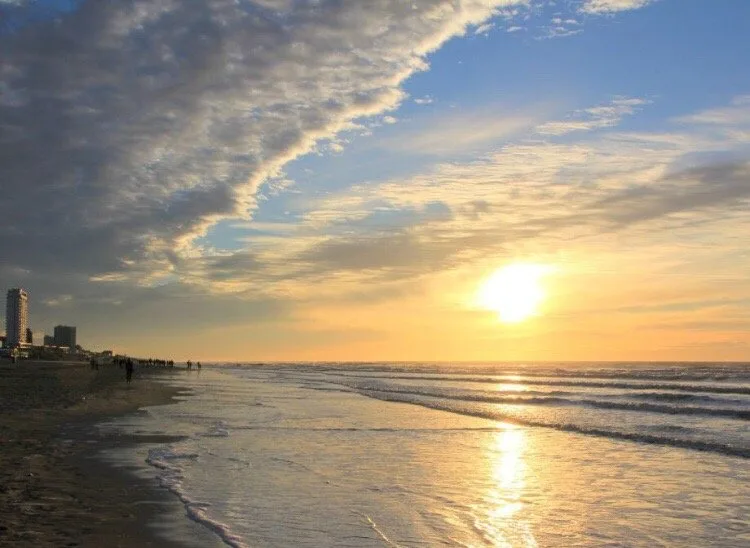
Often called "Amsterdam's beach," Zandvoort is a busy resort town with a long sandy beach perfect for sunbathing and water sports.
- How to Get There: The easiest way from Haarlem is by train. A direct train ride takes about 10 minutes.
- Beach Pavilions: From mid-February to November 1st, seasonal beach clubs like Hippie Fish and Havana are open, typically from 9:00/10:00 until 22:00 or midnight. Year-round options include Thalassa and NIUS Beach House.
- Parking (if driving): Paid parking is in effect. Summer rates (March 1 to November 1) are generally €2.50 per hour or up to €15 per day on the Boulevard. Winter rates are lower. Be very cautious of city center parking, which can be much higher (€7/hour or €80/day in some spots).
- Formula 1 (August 21-23, 2026): Zandvoort will be inaccessible by car during this period. Increased train services from Haarlem will be available, or you can use Park & Bike options (parking from €22.50 per car). Note: 2026 is the final year for the Dutch Grand Prix at Zandvoort.
Bloemendaal aan Zee
Known for its trendier, more exclusive vibe (dubbed the "Dutch Ibiza"), Bloemendaal borders Zandvoort to the north.
- How to Get There: Take a bus from Haarlem or enjoy a scenic bike ride through the dunes.
- Beach Pavilions: Popular spots like Woodstock 69 (known for parties and vegan options) and Republiek Bloemendaal (exclusive, fresh fish) open from spring to autumn. San Blas and Parnassia aan Zee are open year-round.
- Parking (if driving): Paid parking lots are available. Summer rates (March 1 to November 1) are €4.95 per hour or €34.65 per day. Winter rates are lower. Parnassia aan Zee offers a large parking area with the first half-hour free, then €3.00/hour or €19.00/day.
- P+R Pilot (2026): For ten summer weekends in 2026, a P+R scheme at Expoterrein Vijfhuizen will offer free parking and shuttle buses to the beach to ease congestion.
Where to Stay in Haarlem
Haarlem offers a range of accommodations, from cozy B&Bs in historic buildings to modern hotels on the city's edge. Your choice will depend on your budget and preferred location.
Boutique Character in the City Center
For a truly hands-on experience, consider a boutique hotel or B&B right in the heart of Haarlem. These often come with unique character and are just steps away from major sights.
Hotel Frenchie is a delightful choice, boasting a stellar 4.8/5 rating from 32 reviews. This boutique hotel, which opened in April 2021 after extensive renovations, offers adults-only rooms and allows pets. While some guests note the steep stairs in the old building (no elevator), its central location and pleasant restaurant make it a top pick for those seeking character and convenience. Room rates typically range from $169 to $424, varying by room type and booking platform. Parking is available nearby at the De Raaks garage.

Boutique Wine Tasting in Turin City Center
Immerse yourself in Piedmont’s rich winemaking culture with a relaxed wine tasting at a welcoming wine bar in Turin. Enj
Book on ViatorFor a more intimate stay with a strong local feel, Little Amsterdam (a B&B apartment, not the city itself) offers a gorgeous setting with a 4.9/5 rating from 7 reviews. Located less than a 10-minute walk to both Haarlem city center and the central train station, it provides excellent access. Guests can choose between a fully furnished apartment, 'Mediterranean,' or a private room, 'Sunflower,' both renovated in 2012.
Modern Comfort with Easy Access
If you prefer more amenities, a larger footprint, or easier access by car, consider options slightly outside the immediate city core.
Van der Valk Hotel Haarlem is situated at the border of the historical center, boasting a solid 4/5 rating from 1164 reviews. This hotel is ideal for those who want to easily visit both Haarlem's city center and the nearby beaches of Zandvoort and Bloemendaal, or even Amsterdam. It recently underwent a large-scale renovation, ensuring modern facilities. Prices typically range from $156 to $314. A big plus: free self-parking is available on-site, including electric vehicle charging points. The hotel also features a fitness center and a steam room.
Budget Breakdown for Haarlem (2026 Estimates)
Haarlem generally offers a more affordable experience than Amsterdam, but costs can still add up. Here's a rough breakdown for a mid-range traveler.
Accommodation (Per Night)
- Budget (Hostel/Basic Guesthouse): €40 - €80
- Mid-Range (B&B/3-star Hotel): €100 - €200 (e.g., Van der Valk Hotel Haarlem)
- Luxury (Boutique/4-star+ Hotel): €200 - €400+ (e.g., Hotel Frenchie)
Food & Drink (Per Day)
- Budget (Groceries, markets, casual takeaways): €20 - €40
- Mid-Range (Casual restaurants, lunch, coffee/pastry): €50 - €80 (e.g., a main course at a decent restaurant is €18-€25)
- High-End (Fine dining, multiple courses, drinks): €90+
Transportation (Per Day)
- Walking/Cycling: Free (bike rental €10-€15/day)
- Public Transport (local bus/train to beaches): €5 - €15 (e.g., single train ticket Haarlem-Zandvoort is ~€3.50)
- Car Parking: Highly variable, see beach sections for details. City center parking can be €4-€7/hour.
Activities (Per Day)
- Museum Entry: €15 - €25 (e.g., Frans Hals Museum, Teylers Museum)
- Canal Cruise: €10 - €15
- Free Activities: Exploring Grote Markt, walking along canals, visiting Hofjes (courtyards).
Estimated Daily Budget:
* **Budget
Estimated Daily Budget:
* Budget Traveler: €75 - €135 (including basic accommodation, self-catering/cheap eats, walking/cycling, and some free activities)
* Mid-Range Traveler: €165 - €300 (including mid-range accommodation, restaurant meals, public transport, and a paid activity or two)
* Luxury Traveler: €300+ (allowing for higher-end hotels, fine dining, and more excursions)
Safety Tips for Haarlem
Haarlem is generally a very safe city, with low crime rates. But like any travel destination, it's wise to be aware of your surroundings and take standard precautions.
- Pickpocketing: While not as prevalent as in larger cities like Amsterdam, pickpocketing can occur in crowded areas, especially around the Grote Markt, train station, or during busy festivals. Keep your valuables secure and be mindful of your bags.
- Cycling Safety: Cycling is popular, but it's crucial to follow traffic rules. Use hand signals, obey traffic lights, and be aware of other cyclists, pedestrians, and cars. Always lock your bike securely, even for short stops, as bike theft can be an issue.
- Traffic: Pay attention when crossing streets, as cyclists and mopeds can appear quickly and quietly. Pedestrians often don't have the right of way over bikes.
- Emergency Numbers: For all emergencies (police, fire, ambulance), dial 112. For non-urgent police matters, dial 0900-8844.
- Water Safety: If you're visiting the beaches, always swim in designated areas and be aware of currents, especially in the North Sea. Pay attention to flag warnings from lifeguards. Check the local water quality on zwemwater.nl before entering the sea.
Haarlem Neighborhoods to Know
While Haarlem's city center is relatively small, understanding its key areas can enhance your visit and help you choose where to stay or focus your exploration.
City Center (Centrum)
The historic heart, home to Grote Markt, museums, shopping, and dining.
Stationsbuurt
Area around the train station, convenient for arrivals and day trips, with hotels and cafes.
Spaarne Quarter
Along the Spaarne river, offering photogenic views, canal cruises, and waterside restaurants.
Burgwal / Vijfhoek
Pleasant, quieter residential areas with historic 'hofjes' (courtyards) and independent shops.
Kennemerland-Zuid (towards the Dunes)
Residential area leading towards the Zuid-Kennemerland National Park and the beaches.
- City Center (Centrum): This is where you'll find most of Haarlem's famous landmarks, including the Grote Kerk (St. Bavo Church), the Frans Hals Museum, and the main shopping streets. It's busy and walkable, packed with restaurants, cafes, and boutique stores. Ideal for first-time visitors who want to be in the thick of it.
- Stationsbuurt: Located directly east of the city center, this neighborhood surrounds Haarlem Central Station. It’s practical for those arriving by train or planning many day trips. You'll find a mix of modern hotels and office buildings, with easy access to the city center via a short walk.
- Spaarne Quarter: Running alongside the Spaarne river, this area offers beautiful waterfront views and a slightly more relaxed atmosphere than the busy Grote Markt. It's a great spot for a leisurely stroll, enjoying a meal by the water, or catching a canal cruise.
- Burgwal / Vijfhoek: These areas, set within the city center, are known for their photogenic narrow streets, historic 'hofjes' (hidden courtyards), and independent shops. They offer a quieter, more residential feel while still being central, perfect for those who enjoy wandering off the main tourist paths.
- Kennemerland-Zuid: This area extends west from the city center towards the Zuid-Kennemerland National Park and the North Sea coast. While mostly residential, it provides a sense of open space and direct access to cycling routes leading to the dunes and beaches like Bloemendaal aan Zee. Staying here might mean a slightly longer walk or bus ride to the city center but closer proximity to nature.
What to Pack for Haarlem
Packing for Haarlem depends heavily on the season, but versatility and layers are always key. Here’s a general guide:
- Layers, Layers, Layers: Dutch weather can be unpredictable, even in summer. Pack light layers you can easily add or remove.
- Rain Gear: A waterproof jacket or a small umbrella is essential, regardless of the season. Showers can pop up unexpectedly.
- Comfortable Walking Shoes: You'll be doing a lot of walking on cobblestones. Prioritize comfort over fashion. If you plan to cycle, sneakers are perfect.
- Warm Outerwear (Autumn/Winter): A warm coat, scarf, gloves, and a hat are a must for colder months.
- Swimsuit (Summer): If you plan to hit the beaches, don't forget your swimwear.
- Sun Protection (Summer): Sunscreen, sunglasses, and a hat are advisable, especially at the beach.
- Adapter: The Netherlands uses Type F power sockets (two round pins), with standard voltage 230V and frequency 50Hz.
- Reusable Shopping Bag: Many shops charge for plastic bags, so bring your own for souvenirs or groceries.
- Small Daypack: Handy for carrying water, snacks, a camera, and any layers you shed throughout the day.
Quick Facts: Haarlem, Netherlands
- Currency: Euro (€)
- Language: Dutch, English (widely spoken)
- Time Zone: Central European Time (CET), Central European Summer Time (CEST)
- Driving Side: Right
- Electrical Plug: Type F (two round pins)
- Tipping: Not obligatory, but appreciated for good service (round up or 5-10%)
Local Customs & Etiquette
Understanding a few local customs can help you navigate Haarlem respectfully and feel more at ease.
- Greetings: A simple "Hallo" (hello) or "Goedendag" (good day) is common. Handshakes are typical for introductions. English is widely spoken, especially in tourist areas, so you won't struggle if your Dutch is limited.
- Cycling Etiquette: Cyclists have a strong presence and often have the right of way. Be mindful of bike lanes and avoid walking in them. If you're cycling, use your bell to signal your presence when passing.
- Punctuality: The Dutch generally value punctuality, especially for appointments. For casual social gatherings, arriving a few minutes late is usually acceptable.
- Dining: Tipping is not mandatory but appreciated for good service. Rounding up the bill or leaving 5-10% is customary. Waitstaff earn a living wage, so tips are a bonus, not a necessity.
- Directness: The Dutch are known for their direct communication style. It's not considered rude; it's simply efficient and honest. Don't be offended if someone is blunt.
- "Gezelligheid": This untranslatable Dutch word refers to a feeling of coziness, conviviality, and comfort. You'll experience it in Haarlem's cafes, pubs, and homes. Embrace the warm, social atmosphere.
- Shopping: Shops generally close earlier than in some other European cities, often by 18:00 (6 PM) on weekdays, with late-night shopping (koopavond) typically on Thursdays until 21:00 (9 PM). Sundays (koopzondag) usually see shops open from 12:00 to 17:00 (5 PM).
Practical Tips for Your Haarlem Trip
Here are a few more actionable tips to make your Haarlem journey even better:
- Embrace the Bike: Even if you're not an avid cyclist, renting a bike for a day is a fantastic way to explore the city, the dunes, and the nearby beaches. It's a truly Dutch experience.
- Explore the Hofjes: Haarlem is famous for its hidden courtyards or 'hofjes.' These almshouses were built by wealthy citizens for elderly women. They offer peaceful retreats and a glimpse into history. Most are open to the public during the day, but remember they are residential, so be respectful of the residents' privacy.
- Cash vs. Card: While cards are widely accepted, especially debit cards (Maestro is common), it's always good to have some euros for smaller purchases, market stalls, or if a card machine is down.
- Learn a Few Dutch Phrases: While English is prevalent, knowing a few basic Dutch words like "dank u wel" (thank you very much) or "alstublieft" (please/you're welcome) will be appreciated by locals.
- Visit the Markets: Haarlem hosts several markets, with the main market on Grote Markt on Saturdays and Mondays. It’s a great place to pick up fresh produce, local cheeses, flowers, and snacks.
- Check Opening Hours: Always double-check the opening hours for museums, shops, and restaurants, especially on public holidays, as they can vary.
FAQ
Is Haarlem a good base for visiting Amsterdam?
Absolutely! Haarlem is an excellent base. Direct trains to Amsterdam Centraal take only about 15-20 minutes, making it incredibly convenient to visit Amsterdam for the day while enjoying Haarlem's calmer atmosphere and often more affordable accommodation.
How far are the beaches from Haarlem, and how do I get there?
The popular beaches of Zandvoort aan Zee and Bloemendaal aan Zee are very close. Zandvoort is about a 10-minute train ride directly from Haarlem Central Station. Bloemendaal aan Zee is best reached by bus or a scenic bike ride through the dunes.
What's the best way to pay for things in Haarlem?
Debit cards (especially Maestro) and credit cards (Visa, Mastercard) are widely accepted. It's also a good idea to carry a small amount of cash (€) for smaller purchases or markets, though many places are increasingly cashless.
Is it easy to find vegetarian or vegan food in Haarlem?
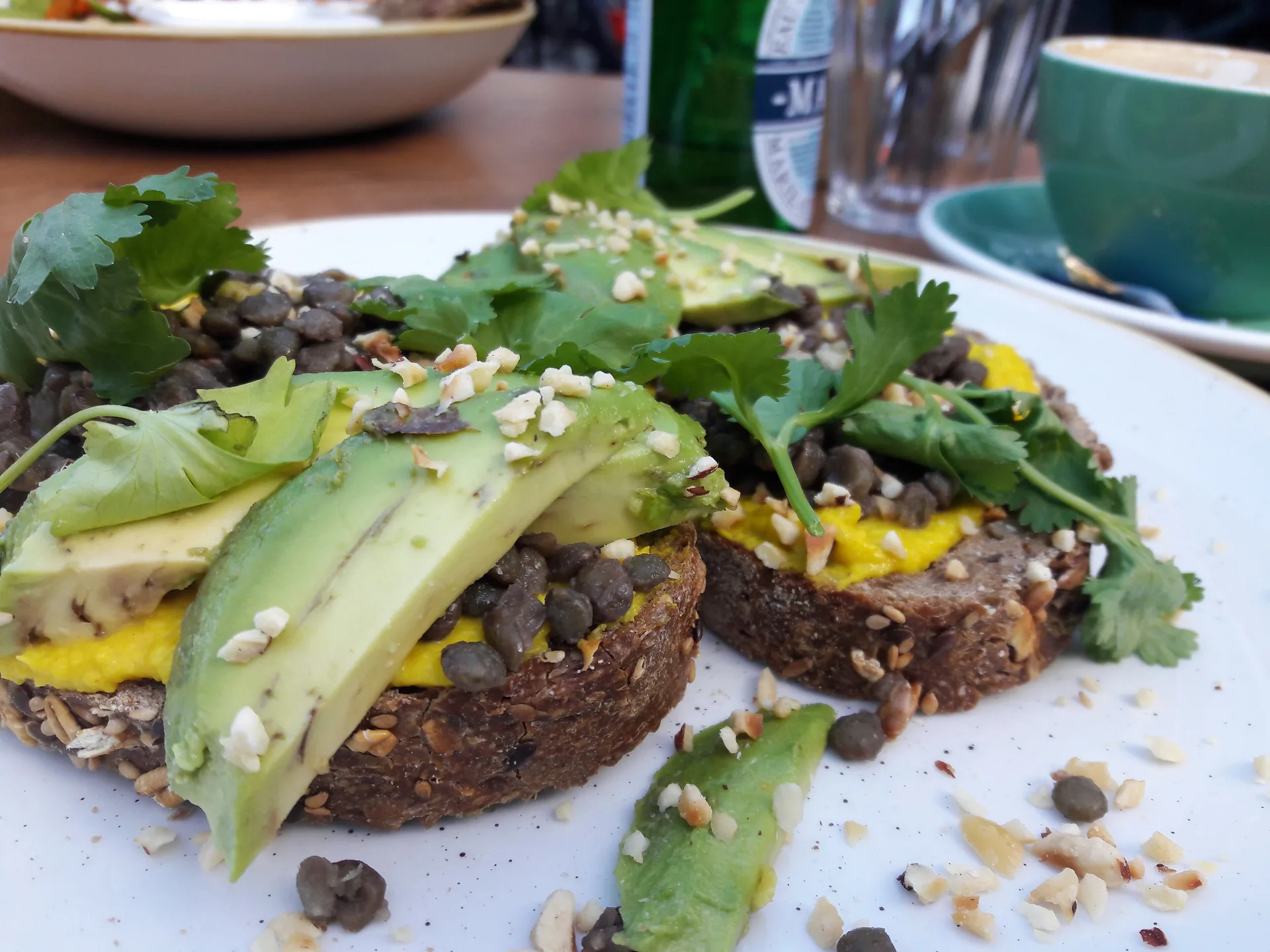
Yes, Haarlem has a growing number of restaurants and cafes offering vegetarian and vegan options. Many menus will clearly mark these dishes, and you'll find specialized eateries, particularly in the city center. Even some beach pavilions, like Woodstock 69 in Bloemendaal, offer vegan choices.
Do I need to rent a car to explore Haarlem and its surroundings?
For Haarlem itself and day trips to Amsterdam or the beaches, a car is generally not necessary and can even be a hindrance due to parking costs and restrictions. The public transport system (trains, buses) is excellent, and cycling is a fantastic way to get around locally. A car might be useful if you plan to explore more rural areas or multiple towns not directly connected by train.
What are "hofjes" and can I visit them?
Hofjes are historic almshouses, typically beautiful hidden courtyards surrounded by small houses, originally built by wealthy citizens for the elderly. Many are still privately owned or residential but are generally open to the public during daylight hours. They offer a tranquil escape, and you're welcome to visit, provided you do so quietly and respectfully.
Some links below are affiliate links — we may earn a commission at no extra cost to you, which helps keep our guides free.