Haarlem, often called "Little Amsterdam," offers all the character of a historic Dutch city without the overwhelming crowds. If you're looking to explore photogenic canals, stunning architecture, and a busy cultural scene at a more relaxed pace, Haarlem is an excellent choice. But how do you make the most of your visit? This guide cuts through the noise, offering practical, data-driven advice to help you plan your trip to Haarlem like a seasoned traveler in 2026.
We'll cover everything from the best time to visit to navigating local customs, ensuring you spend less time worrying about logistics and more time enjoying the city.
Quick Facts: Haarlem, Netherlands
- Currency: Euro (€)
- Language: Dutch, English widely spoken
- Time Zone: Central European Time (CET), UTC+1
- Plug Type: Type C and F (two round pins)
- Driving Side: Right
Best Time to Visit Haarlem
Choosing the right time to visit Haarlem can significantly enhance your experience. Each season offers a different flavor of the city.
Spring (April to May)
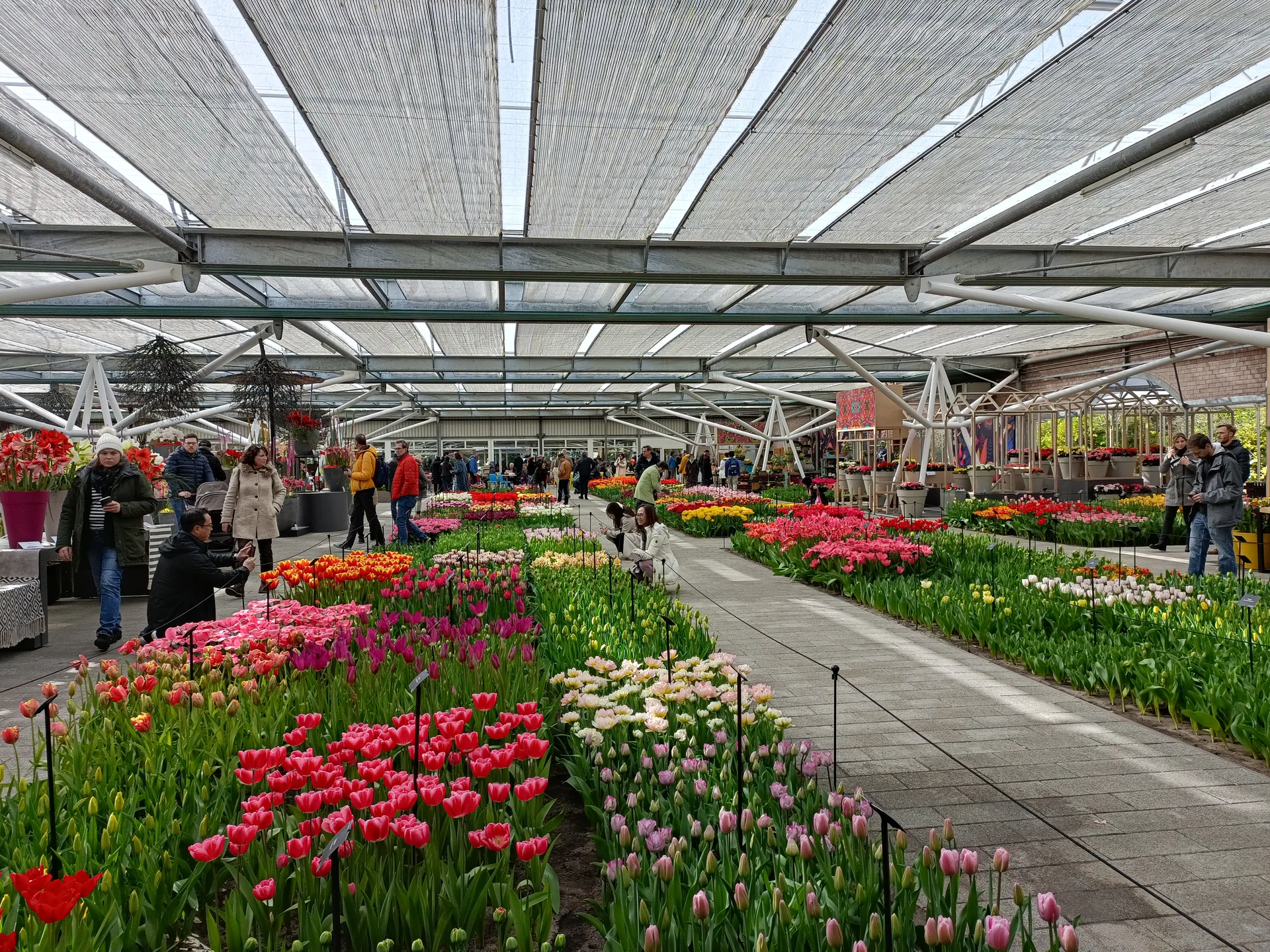
Spring is arguably the most popular time to visit the Netherlands, and Haarlem is no exception. The famous Dutch tulip fields are in full bloom, and while Haarlem doesn't have its own fields, you're just a short trip away from Keukenhof Gardens. Expect pleasant temperatures ranging from 10°C to 15°C (50°F to 59°F). Crowds are moderate, and the city parks are green and inviting.
King's Day (Koningsdag)
When: April 27th
If you're in Haarlem on April 27th, you'll experience King's Day! This national holiday celebrates the King's birthday with orange decorations, street parties, and flea markets. Be aware that many shops and attractions (like the Frans Hals Museum) will be closed, but the festive atmosphere is truly unique.
Summer (June to August)
Summer brings the warmest weather, with averages between 18°C and 22°C (64°F to 72°F). This is peak tourist season, so expect larger crowds and higher prices for accommodation and flights. That said, the long daylight hours mean more time for exploring, and outdoor cafes buzz with activity. Canal tours are particularly popular during these months. Haarlem Canal Tours, with an impressive 4.9 rating from over 500 reviews, are a fantastic way to see the city in the summer sun.
Some links on this page are affiliate links — we may earn a commission at no extra cost to you.
Autumn (September to October)
Autumn sees temperatures cool down to 10°C to 15°C (50°F to 59°F), and the city's trees turn golden. The summer crowds thin out, offering a more relaxed experience. It's a great time for museum visits and cozy evenings in local pubs. You might encounter some rain, so pack layers and a waterproof jacket.
Winter (November to March)
Winter in Haarlem is chilly, with temperatures often hovering around freezing. While cold, the city has a quiet character. Christmas markets pop up in December, and if you're lucky, you might even see snow. Many indoor attractions, like the Teylers Museum or the Grote Kerk, are perfect for winter days. Just remember that some outdoor activities, like certain canal tours, might operate on reduced schedules or with heated, covered boats.
How to Get to Haarlem
Getting to Haarlem is straightforward, thanks to the Netherlands' excellent public transportation network.
By Air
The closest major international airport is Amsterdam Airport Schiphol (AMS). From Schiphol, you have a few easy options to reach Haarlem:
- Train: The fastest and most convenient way. Direct trains run regularly from Schiphol Plaza (located directly below the airport) to Haarlem Central Station. The journey takes about 15-20 minutes. A single ticket costs around €5-€7.
- Bus: Bus 300 (Airport Express) also connects Schiphol to Haarlem Central Station, taking approximately 40 minutes. This can be a slightly cheaper option, but usually longer.
By Train
Haarlem Central Station is a major hub, connecting the city to various parts of the Netherlands.
* From Amsterdam: Frequent trains run from Amsterdam Centraal to Haarlem, taking about 15-20 minutes. A single ticket is typically €4-€6.
* From Other Dutch Cities: Direct trains are available from cities like Leiden, The Hague, and Rotterdam.
By Car
While Haarlem is accessible by car, driving within the city center can be challenging due due to narrow streets and limited parking. If you do drive, consider parking at one of the city's peripheral garages like De Appelaar or Houtplein, then walk or cycle into the center.
Getting Around Haarlem
Haarlem is a wonderfully walkable and bike-friendly city. You'll find that most of the main attractions are within easy reach on foot.
Walking
The city center is compact, making walking the ideal way to explore. Strolling along the canals, through the Grote Markt, and discovering hidden courtyards (Hofjes) is part of the Haarlem experience. You'll stumble upon pleasant cafes and boutiques you might otherwise miss.
Cycling
When in the Netherlands, do as the Dutch do! Renting a bicycle is a popular and efficient way to cover more ground. There are several bike rental shops near the train station and throughout the city. Expect to pay around €10-€15 for a day rental. Haarlem is very flat, making cycling a breeze.
Public Transport (Bus)
Haarlem has an extensive bus network operated by Connexxion. While you'll likely do most of your exploring on foot or bike, buses are useful for reaching areas slightly outside the direct city center or if the weather isn't cooperating. Your OV-chipkaart works on buses too.
Canal Tours
For a different perspective, consider a canal cruise. Haarlem Canal Tours, highly rated by travelers, offers 75-minute journeys through the city's waterways. It's a relaxing way to see historical buildings and learn about Haarlem's past. Tours operate seasonally, typically from April to October, with multiple departures daily. Adult tickets are around €17.
Budget Breakdown for Your Haarlem Trip
Haarlem can be enjoyed on various budgets. Here's a general breakdown of daily costs for 2026, excluding flights to the Netherlands.
Accommodation
- Budget (Hostels/Guesthouses): €40-€70 per night for a dorm bed or basic private room.
- Mid-range (3-star hotels/B&Bs): €90-€150 per night. You might find cozy, well-located options like Wherels, which travelers rate 4.5/5 for its central Haarlem location and comfortable atmosphere. It's ideal for couples or small groups.
- Luxury (4-5 star hotels): €180+ per night.
Food
- Budget (Supermarkets/Street Food): €15-€25 per day. Grab a broodje (sandwich), stroopwafels, or ingredients for a picnic.
- Mid-range (Casual Restaurants/Cafes): €30-€60 per day. A meal at a casual eatery might cost €15-€25 per person. For a great coffee and light bite, Native is a highly-rated, vegetarian-friendly spot with a 4.7/5 rating.
- Fine Dining: €70+ per day. Expect to pay €40-€70 per person for a multi-course meal at a higher-end restaurant.
Activities & Sightseeing
- Museums: Expect to pay €10-€20 per museum. The Frans Hals Museum is €17.50 (increasing to €18.50 from July 1, 2026), and the Teylers Museum is €18.50.
- Churches/Windmills: Grote Kerk is €4.00, Molen de Adriaan is €7.50 for adults.
- Free Activities: Exploring the Grote Markt, wandering through Hofjes, visiting the Archaeology Museum Haarlem, and simply walking the canals cost nothing.
- Tours: Canal tours are around €17-€20. Walking tours can range from free (tip-based) to €25-€35.
Transportation
- Local Transport: If you rely on buses, budget €5-€10 per day.
- Bike Rental: €10-€15 per day.
- Train to Amsterdam: €8-€12 round trip.
Haarlem Neighborhoods to Explore
Haarlem's compact size means its "neighborhoods" are more like distinct areas within the city center, each offering a unique vibe.
Grote Markt Area
The historical heart, always busy with cafes and iconic buildings.
Gouden Straatjes (Golden Streets)
Chic boutiques, independent shops, and pleasant cafes.
Spaarne Riverfront
Scenic views, museums, and departure points for canal tours.
Koninginnebuurt
Elegant residential area with beautiful architecture, near the city park.
Stationsbuurt
Convenient for arrivals/departures, with various shops and eateries.
- Grote Markt Area: This is the absolute center, home to the Grote Kerk, the City Hall, and numerous restaurants and bars. It's busy, especially on market days (Saturdays).
- Gouden Straatjes (Golden Streets): Just off the Grote Markt, these narrow streets (like Gierstraat, Koningstraat, and Warmoesstraat) are a shopper's paradise. You'll find unique boutiques, artisan shops, and delightful cafes.
- Spaarne Riverfront: This area offers beautiful views of the Spaarne river, with historic buildings like the Teylers Museum and Molen de Adriaan. It's also where many canal tours depart.
- Koninginnebuurt (Queen's Neighborhood): A more residential area, still close to the center, known for its grand houses and proximity to the Frederikspark, perfect for a leisurely stroll.
- Stationsbuurt: As the name suggests, this area surrounds Haarlem Central Station. It's practical for quick access to transport and has a good selection of shops and eateries for travelers on the go.
Safety Tips for Travelers
Haarlem is generally a very safe city, but like any travel destination, it's wise to be aware of your surroundings.
- Petty Crime: Pickpocketing can occur in crowded areas, especially around the Grote Markt or on public transport. Keep your valuables secure and be mindful of your belongings.
- Cycling Safety: If you rent a bike, always lock it securely. Be aware of local traffic rules; cyclists often have right-of-way, but always be cautious. Use hand signals and lights at night.
- Canal Safety: While beautiful, the canals are deep. Be careful when walking near the edges, especially at night or after a few drinks.
- Emergency Numbers: For police, ambulance, or fire, dial 112. For non-urgent police matters, call 0900-8844.
Packing List Essentials for Haarlem
What you pack for Haarlem depends heavily on the season, but some items are universally helpful.
- Layers: Dutch weather can be unpredictable. Pack layers you can easily add or remove.
- Waterproofs: A waterproof jacket or umbrella is a good idea year-round, especially in spring and autumn.
- Comfortable Walking Shoes: You'll be doing a lot of walking on cobblestone streets. Prioritize comfort!
- Adapter: Type C and F for European outlets.
- Reusable Water Bottle: Stay hydrated and reduce plastic waste. Tap water is safe to drink.
- Small Backpack/Day Bag: For daily essentials, snacks, and souvenirs.
- Portable Charger: Keep your phone charged for navigation and photos.
- Medication: Bring any prescription medications you need, along with copies of your prescriptions, just in case. Over-the-counter essentials like pain relievers or motion sickness tablets are also a good idea.
- Small First-Aid Kit: Band-aids, antiseptic wipes, and any personal necessities can be handy for minor scrapes or blisters from all that walking.
- Camera & Extra Battery: Haarlem is incredibly photogenic. Don't miss capturing its beauty.
- Debit/Credit Cards & Some Cash: While card payments are widely accepted, having some euros on hand for smaller purchases or markets is always wise.
Local Customs and Etiquette
Understanding a bit about local customs can make your trip smoother and more enjoyable. The Dutch are generally open and direct, but there are a few things to keep in mind.
- Punctuality: The Dutch value punctuality. If you have an appointment or a tour booked, aim to be on time. For attractions like the Corrie ten Boom House, where tours are guided and free, being on time is crucial, especially as reservations are often needed months in advance due to its popularity. This powerful historical site, which can only be visited via guided tours, is incredibly moving and offers a unique insight into World War II history.
- Cycling Rules: Respect cyclists! They are a major part of Dutch traffic. Always look both ways for bikes before crossing a bike path, and don't walk in designated bike lanes. Remember, cyclists often have the right of way.
- Greetings: A simple "Hallo" or "Goedendag" (good day) is polite when entering a shop or restaurant. English is widely spoken, so you won't struggle if Dutch isn't your forte.
- Tipping: Tipping isn't as ingrained in Dutch culture as in some other countries. Service charges are usually included in the price. But rounding up to the nearest euro or leaving a few euros for excellent service in restaurants or cafes is appreciated. For tour guides, a small tip is also a nice gesture.
- Directness: Don't be offended by Dutch directness. It's not meant to be rude; it's simply a cultural trait. They tend to be straightforward in communication.
- Coffee Culture: The Netherlands has a strong coffee culture. Take your time to enjoy a "koffie verkeerd" (latte) or "cappuccino" at one of the many cafes. Native, with its 4.7-star rating, is a local favorite for its specialty coffee and welcoming atmosphere.
- Sustainable Travel: The Dutch are very conscious of sustainability. Try to minimize your waste, use public transport or bikes, and respect natural areas.
Practical Tips for Your Haarlem Adventure
To make your Haarlem trip truly seamless, here are some actionable tips based on traveler feedback and current information for 2026.
- Book Accommodation in Advance: Especially during peak season (spring and summer), popular places like Wherels, a highly-rated accommodation option in the heart of Haarlem, can book up quickly. Securing your stay well ahead of time ensures you get your preferred location and price.
- Leverage Online Booking for Attractions: For popular tours like Haarlem Canal Tours (rated 4.9/5 by over 500 travelers) or specific time slots at museums, booking online is highly recommended. This often saves you time waiting in queues and guarantees your spot. For example, Molen de Adriaan, the iconic windmill, recommends online booking for its guided tours (adult tickets €7.50, children €3.50). This ensures you get your desired 45-minute tour slot.
- Check Opening Hours for Museums and Churches: While many attractions have consistent hours, always double-check. For instance, the Frans Hals Museum has some rooms closed for work until June 22, 2026, and both it and the Teylers Museum are closed on specific holidays. The Grote Kerk (St. Bavokerk) has extended Sunday hours in July and August with free entry. Knowing these details beforehand prevents disappointment. The Frans Hals Museum, a cornerstone of Haarlem's art scene, charges €17.50 for adults, increasing to €18.50 from July 1, 2026.
- Visit Corrie ten Boom House Early: This poignant historical site requires reservations often 3-4 months in advance, especially for English tours and weekend slots. It's free to enter, but voluntary donations are appreciated. Due to steep stairs, it's not accessible for wheelchairs or those with walking difficulties. Plan this visit meticulously.
- Explore the Hofjes: These tranquil, hidden courtyards are a unique and free aspect of Haarlem. They offer a glimpse into the city's past charitable foundations. Simply wander off the main streets and look for small archways – many are open to the public during daytime hours.
- Embrace the Markets: Don't miss the market on Grote Markt on Saturdays. It's a fantastic place to experience local life, find fresh produce, cheeses, and flowers, and grab a quick, affordable snack.
- Museum Pass for Savings: If you're a museum lover planning to visit several institutions across the Netherlands, investing in a Museumkaart (Museum Pass) can save you a significant amount. It covers the Frans Hals Museum, Teylers Museum (€18.50 for adults), and many others. The Teylers Museum, the oldest museum in the Netherlands, offers a diverse collection of art and science and is a must-see.
- Learn a Few Dutch Phrases: While English is widely spoken, locals always appreciate it when you try a few basic Dutch phrases:
- "Dank u wel" (Dank-oo-vell) - Thank you
- "Alstublieft" (Als-too-bleeft) - Please/You're welcome
- "Sorry" - Sorry
- "Goedenmorgen" (Hoo-den-mor-ghen) - Good morning
- "Tot ziens" (Tot zeens) - Goodbye
- Mind Your Personal Space: The Dutch generally appreciate personal space. Avoid overly loud conversations in public and maintain a respectful distance.
- Stay Hydrated and Caffeinated: With all the walking and cycling, you'll want to stay refreshed. Native is an excellent spot for a coffee break, or simply refill your reusable water bottle at any tap – Dutch tap water is among the best in the world.
Haarlem offers a rich, authentic Dutch experience. By following these practical tips, you'll be well-prepared to navigate its pleasant streets, see its history, and enjoy its busy culture with confidence.
FAQ
Is Haarlem a good alternative to Amsterdam?
Absolutely! Haarlem offers a similar pleasant canal aesthetic, historic architecture, and cultural attractions but with a more relaxed atmosphere and fewer crowds. It's an excellent choice if you prefer a quieter pace while still experiencing Dutch city life.
How many days do I need to explore Haarlem?
For a good overview, plan for 2-3 full days. This allows you to visit a few key museums, enjoy a canal tour, explore the Grote Markt and shopping streets, and perhaps take a leisurely bike ride. If you're using it as a base to explore nearby areas like the tulip fields or Amsterdam, extend your stay accordingly.
Can I use my credit card everywhere in Haarlem?
Most larger shops, restaurants, and hotels accept major credit cards (Visa, Mastercard). However, some smaller cafes, market stalls, or independent shops might prefer debit cards (Maestro is common) or cash. It's always a good idea to carry some euros for flexibility.
Is Haarlem walkable with kids?
Yes, Haarlem's city center is very walkable and largely flat, making it suitable for families with children. Many attractions like the Archaeology Museum Haarlem are free and child-friendly. Remember to keep an eye on children near canals and bike paths.
What's the best way to get from Haarlem to the beach?
The beautiful beaches of Bloemendaal aan Zee and Zandvoort aan Zee are just a short trip from Haarlem. You can take a direct train from Haarlem Central Station to Zandvoort aan Zee, which takes about 10-15 minutes. Alternatively, buses also connect Haarlem to these coastal towns.
Are there any free attractions in Haarlem?
Yes! You can enjoy walking around the Grote Markt, exploring the tranquil Hofjes (hidden courtyards), visiting the free Archaeology Museum Haarlem, and strolling along the Spaarne river. Some attractions, like the Grote Kerk, offer free entry on specific days (e.g., Sundays in July and August).