

Amsterdam's food scene has a split personality. One minute you're walking past a herring stand that's been feeding locals since 1887; the next, you're staring at a menu offering "bitterballen deconstructed" for €18. The city's best eating isn't found on the Damrak or in the sprawling tourist corridors around Centraal Station. It's tucked into side streets, hidden courtyards, and neighborhoods most visitors never reach.
This guide cuts through the noise to show you where Amsterdam's food lovers actually eat. We're talking about the spots that don't need Instagram marketing because word of mouth does the job. You'll learn which neighborhoods deserve your appetite, how to order like a local, and which tours are worth your money when you want someone else to do the navigating.
Why Amsterdam's Food Scene Defies Easy Categorization
Amsterdam's culinary identity isn't Dutch — it's global. The Dutch East India Company made this city a trading hub centuries ago, and that legacy lives on in its kitchens. Indonesian rijsttafel, Surinamese roti, Moroccan tagine — these aren't exotic imports here. They're part of the city's everyday eating fabric.
What makes Amsterdam genuinely exciting for food lovers is the collision of old and new. Traditional brown cafes serve pickled herring and aged Gouda alongside natural wine bars pouring low-intervention French blends. The city's street food culture — raw herring with onions, thick-cut fries with satay sauce, warm stroopwafels pressed fresh — coexists with Michelin-starred restaurants pushing Dutch cuisine into experimental territory.
Recent visitors consistently report that the best experiences come from guided exploration rather than solo wandering. Reviews for Amsterdam's food tours frequently mention guides who share neighborhood history alongside tastings, turning a simple meal crawl into something closer to cultural immersion. One reviewer of the Amsterdam Food and Cultural Tour noted that the experience doubled as lunch and offered "a nice blend of food, history, culture and conversation."
The Jordaan: Amsterdam's Most Walkable Food Neighborhood
If you only have one day for food exploration, spend it in the Jordaan. This former working-class district — built in the 17th century to house immigrants and laborers — has transformed into one of Amsterdam's most desirable neighborhoods. But unlike some gentrified areas, the Jordaan has kept its food soul intact.
The neighborhood's narrow streets hide some of the city's best brown cafes, specialty food shops, and family-run restaurants. The key is knowing where to look. The Jordaan rewards wanderers, but it also rewards people who come prepared with a plan.
What to Eat in the Jordaan
Start with the classics. Dutch pea soup (erwtensoep) — thick enough to stand a spoon in — appears on menus across the neighborhood as winter approaches. Herring stands operate from spring through early autumn, serving the traditional way: raw, with chopped onions and pickles, eaten while standing. If you've never had Dutch herring, brace yourself — it's briny, rich, and nothing like the pickled versions you've tried elsewhere.
Cheese shops in the Jordaan stock more than the mass-produced Gouda you'll find in tourist shops. Look for aged cheeses (oud) versus young (jong), and don't skip the farmhouse varieties made with raw milk. Many shops offer generous samples, so you can taste before you buy.
The Jordaan Food Tour Experience
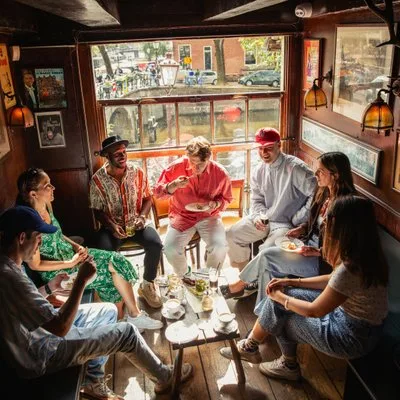
For a structured introduction to the neighborhood's food scene, the Jordaan Food Tour with Dutch Tastings consistently earns high marks. With a 4.9 rating from over 2,600 reviews, it's one of the most popular food experiences in Amsterdam. Reviewers frequently praise the guides' ability to weave historical context into the tastings. One recent visitor described their guide as explaining "the food and culture of Amsterdam in a great way" while providing historical background on the neighborhood.
The tour typically runs 3.5 to 4 hours and includes stops at family-run establishments that don't advertise to tourists. You'll sample Dutch cheeses, try traditional bitterballen (deep-fried meatballs with a creamy interior), and finish with something sweet — often appeltaart or stroopwafels.
Jordaan Food Tour with Dutch Tastings in Amsterdam
Jordaan is the creative hub of Amsterdam, and the locals who call it home make it one of our favourite neighbourhoods…
Book on ViatorBeyond the Jordaan: Where Else to Eat Like a Local
The Jordaan gets most of the attention, but Amsterdam's other neighborhoods offer equally compelling food scenes. Here's where to direct your appetite.
De Pijp: Amsterdam's Multicultural Food Hub
Head south of the city center to De Pijp, and you'll find the Albert Cuypmarkt — Amsterdam's largest street market. This is where locals shop for produce, cheese, fish, and international ingredients. The market runs six days a week (closed Sundays) and has been operating since 1905.
The market's food stalls serve some of the city's best street food. Fresh stroopwafels are pressed while you watch. Raw herring stands do brisk business. Surinamese vendors sell roti and pom — a Dutch-Surinamese casserole made with chicken and root vegetables. Indonesian stalls offer satay skewers and gado-gado.
But De Pijp isn't just market food. The neighborhood's side streets hide excellent restaurants serving cuisine from former Dutch colonies and beyond. A rijsttafel — the Indonesian "rice table" of dozens of small dishes — for two typically costs €80-€110 at mid-range spots. It's an experience worth having at least once.
The Neglected Gems of the Oud-West
The area west of the Jordaan, known as Oud-West, rarely appears in tourist guides. That's exactly why it's worth exploring. The neighborhood's food scene skews toward casual, family-run establishments serving everything from Dutch classics to Middle Eastern street food.
The Foodhallen — a former tram depot converted into a covered food market — sits on the edge of Oud-West. It's become popular with tourists, but locals still come for the variety: roughly 20 vendors serving everything from Vietnamese banh mi to Dutch kroketten. Weekend evenings get crowded, so visit on weekday afternoons if you want space to browse.
Setting Your Budget: What Amsterdam Food Actually Costs
Amsterdam isn't a cheap city, and food prices reflect that. Here's what you should expect to pay in 2026:
- Casual lunch or takeaway: €10-€15
- Street food (herring, fries, stroopwafels): €3-€6
- Sandwiches: €13-€18
- Main course at a mid-range restaurant: €20-€35
- Casual dinner with one drink: €25-€40 per person
- Three-course dinner at mid-range: €35-€55 per person
- Indonesian rijsttafel for two: €80-€110
- Beer (0.5L): €6-€9
- Glass of wine: €7.50-€9
- Coffee or cappuccino: €4-€5.50
One recent reviewer of the Amsterdam Food and Cultural Tour offered a useful tip: "Don't need dinner after this tour." The 10-tasting format provides enough food to serve as a substantial meal, making the tour price more reasonable than it initially appears.
Which Food Tour Should You Book?
Amsterdam has no shortage of food tours, and they're not all created equal. Here's how to choose based on what you want from your experience.
For Comprehensive Coverage: Amsterdam Food and Cultural Tour with 10 Tastings
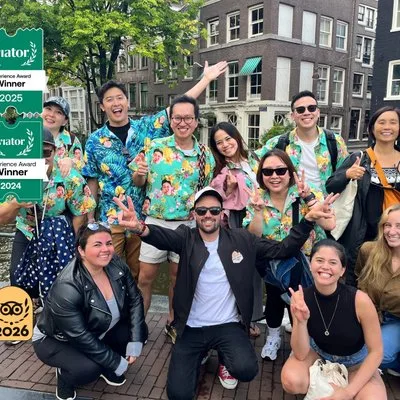
This tour holds a perfect 5.0 rating from over 6,200 reviews — an extraordinary achievement. It's won Viator's "5 Stars Experience Award" three years running (2024, 2025, and 2026). The tour covers more ground than typical food walks, mixing culinary stops with historical context and architecture.
Reviewers consistently praise the guides, with several names — Barni, Roman — mentioned repeatedly for their knowledge and energy. One couple who booked the tour for their first day in Amsterdam called it "the perfect mix for foodies and history lovers." The 11:00 AM start time means the tour doubles as lunch, which several reviewers noted as a value point.
The tour includes 10 tastings and typically runs 3.5 to 4 hours. Expect to walk a fair amount, so wear comfortable shoes. Recent reviewers warned that hot weather can make the pace challenging — one noted "a lot of walking so be prepared in hot temps."
Amsterdam Food and Cultural Tour with 10 Tastings
Welcome to Ollantay Food Tour in Amsterdam! Come and taste the best that Amsterdam has to offer!
Book on ViatorFor the Full Meal Experience: 10 Tastes of Amsterdam
If you want something closer to a proper meal rather than a tasting crawl, the 10 Tastes of Amsterdam tour, with its 4.9 rating from 4,250 reviews, is worth considering. The tour covers the UNESCO canal belt and the Jordaan, with stops at five different establishments.
Recent reviewers describe tastings that include cheese, sausage, Surinamese curry, chips, stroopwafels, and apple pie, plus wine and a stroopwafel liqueur. One reviewer appreciated that their guide, Robin, was a local who shared "history, the buildings and more" alongside the food.
At €79 when booked directly, this tour costs less than some competitors while providing a more substantial amount of food. Guides also adapt to weather conditions — one reviewer noted their guide "changed the foods because of the weather," a flexibility that shows local knowledge.
For Small Groups and Intimate Experiences: Amsterdam Food Tasting Tour of Hidden Gems
With only 19 reviews, this newer tour hasn't yet built the reputation of its competitors. Its 4.6 rating suggests solid quality, and the small-group format appeals to travelers who prefer intimate experiences. At €99 per person, it's priced at the higher end of food tours.
The relative lack of reviews makes this a slightly riskier choice. If you're booking based on volume of feedback, stick with the more established options. But if you value small groups and want to support newer operators, this tour offers a more personalized experience.